.png)

House Pest Control in Toronto: Detached & Semi-Detached Homes
Pest Management Profiles is a series dedicated to exploring the intersection of the Greater Toronto Area's unique urban landscape and pest challenges.
Last updated:
September 14, 2026

Pest Management Profiles is a series dedicated to exploring the intersection of the Greater Toronto Area's unique urban landscape and pest challenges.
Detached and semi-detached houses can experience pest problems anywhere from the foundation and basement to the walls, kitchen, attic and roofline.
Guard More Pest Control provides professional house pest control across Toronto and the Greater Toronto Area, treating common household pests including:
House pest control isn't simply about treating the location where a pest was seen.
A mouse found in the kitchen may have entered through an exterior opening before travelling through the walls. Carpenter ant activity may be associated with wood or moisture conditions elsewhere in the structure. A raccoon heard in the attic first had to find a way through the roofline.
Effective pest control therefore looks at both the pest itself and the conditions allowing it to enter, harbour or remain in the home.
A house provides many potential resources for pests: food, water, shelter and protected spaces.
It also has considerably more direct exposure to the exterior environment than a typical condo unit.
Potential pest access points can occur around:
Once inside, pests can use concealed areas such as wall voids, basements, crawl spaces and attics to move or shelter.
This is why professional house pest control can involve more than pesticide treatment. Depending on the pest, inspection, trapping, monitoring and structural exclusion can be just as important.
Rodents are one of the most common structural pest problems affecting houses.
Mice can exploit small exterior openings before moving through concealed parts of a building.
Potential signs include:
A proper rodent-control programme should consider both the rodents already inside and how they may be entering the property.
Depending on the situation, Guard More can use trapping, baiting, monitoring and structural exclusion as part of the control programme.
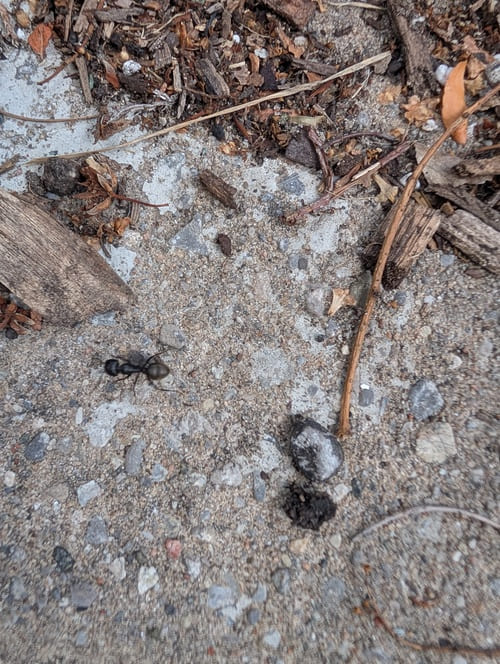
Several ant species can cause problems around Toronto houses.
Carpenter ants excavate wood to create nesting galleries and can be associated with damp or moisture-affected wood.
Pavement ants commonly establish colonies around foundations, driveways and patios before foraging inside.
Other household ant species can behave differently again.
Correct identification matters because different ants don't necessarily require the same treatment.
If ants repeatedly appear indoors, inspection should consider where they're travelling from rather than simply treating the insects that are visible.

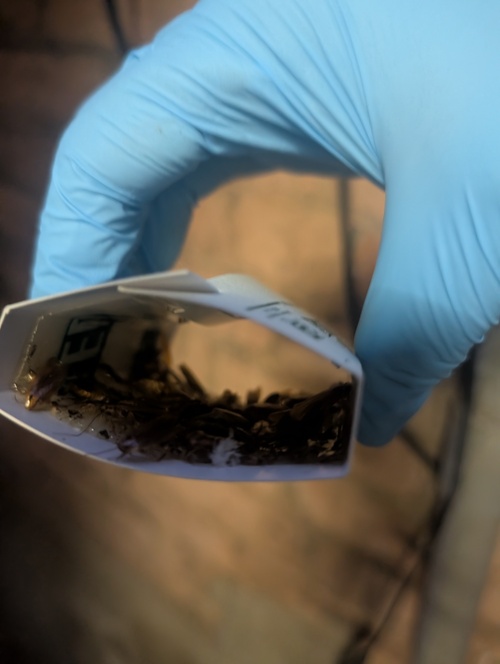
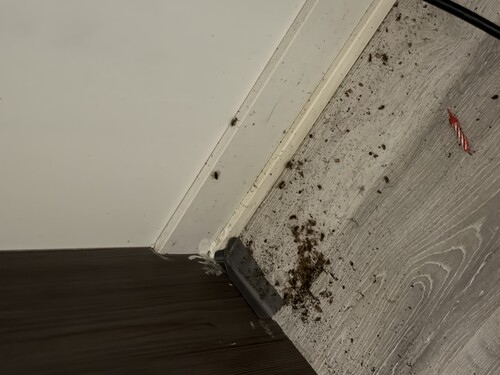
Cockroaches aren't restricted to apartments.
German cockroaches and other species can also become established in houses, particularly where they have access to food, moisture, warmth and concealed harbourage.
Common areas include:
Professional cockroach control can combine monitoring, gel bait and targeted treatment according to the species and activity found.
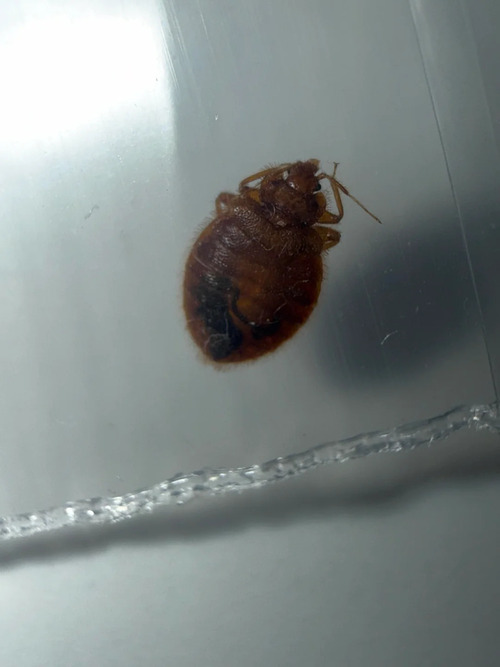
Bed bugs can occur in any type of home.
They are commonly introduced through the movement of people and belongings and tend to harbour close to areas where people sleep or remain stationary.
Potential evidence includes:
Bed bugs aren't evidence that a house is dirty.
Correct identification should come before treatment because several other household insects are regularly mistaken for bed bugs.
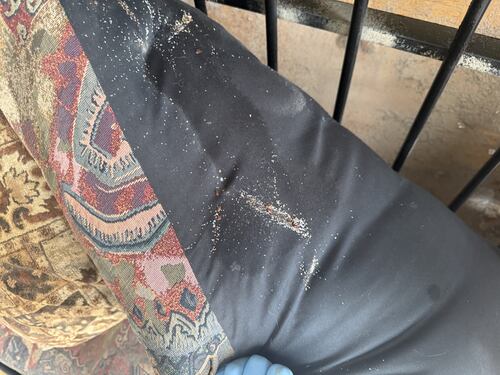
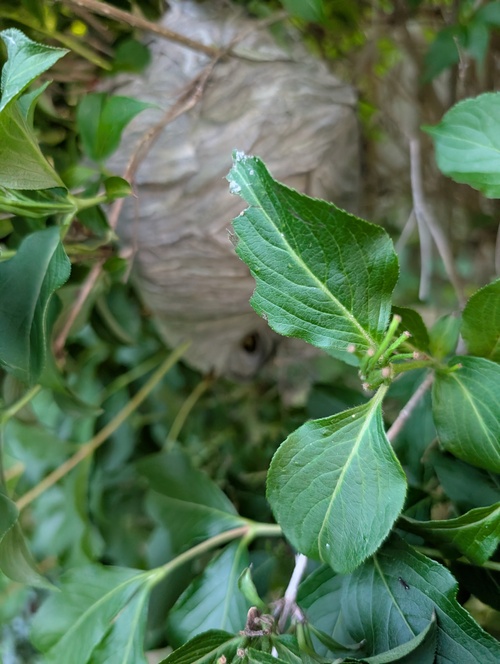
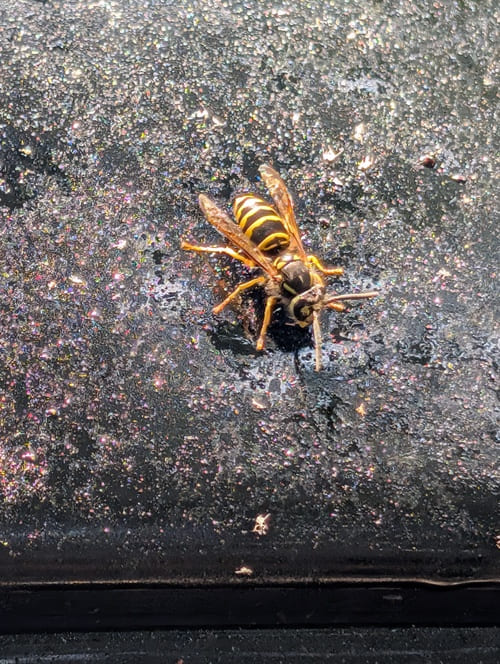
Detached and semi-detached houses provide numerous potential nesting locations for wasps and hornets.
Depending on the species, nests may occur:
Repeated wasp traffic into the same structural opening can indicate a concealed nest.
Professional wasp treatment should consider the species and nest location, particularly where the nest is inside part of the structure.
Wildlife control is particularly relevant to houses because the property has its own roof, attic, soffits, vents and exterior structure.
Raccoons can exploit vulnerable roof areas and enter attic spaces.
Potential signs include:
Effective raccoon control needs to address both the animal and the entry point.
Removing a raccoon without protecting the opening can leave the house accessible afterwards.

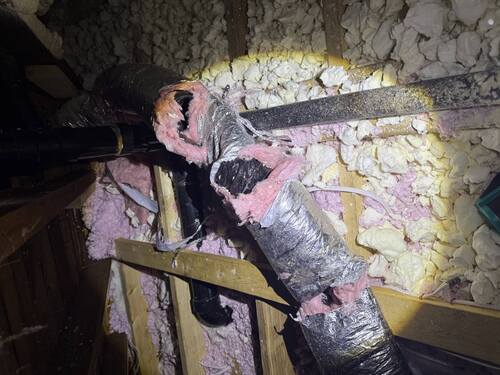
Squirrels can also enter attics through roofline openings, vents and damaged soffits.
Their gnawing behaviour can enlarge existing openings and damage building materials.
Guard More's wildlife services combine appropriate removal methods with exclusion and structural protection where required.
One of the biggest advantages of owning a detached house is control over the building envelope.
It's also one of the biggest responsibilities.
A house pest-control inspection may examine several areas.
Gaps, cracks, doors and utility penetrations can provide potential access for insects and rodents.
Damaged screens, worn seals and gaps beneath doors can allow pests indoors.
Openings around electrical, gas, cable and plumbing services deserve particular attention because they can create routes through the exterior structure.
Garages combine exterior access with sheltered interior space and can provide pests with a route towards the rest of the house.
Roof vents, soffits and damaged roof areas are particularly relevant to squirrels and raccoons.
Trees and vegetation close to the structure can provide shelter or physical access around the house.
The relevant entry points depend on the pest. You don't pest-proof a house properly by blindly sealing every hole you can find.
Identify the pest first, then determine which structural areas actually matter.
Semi-detached homes require an additional consideration: part of the structure is shared with another property.
Pests don't understand the property line running down the middle of the building.
Depending on construction, concealed structural areas and penetrations can create potential pathways between the two homes.
This is particularly relevant when dealing with pests such as:
If pest activity continues despite appropriate treatment on one side of a semi-detached property, activity elsewhere in the connected structure may need to be considered.
That doesn't automatically mean the neighbour caused the problem.
It means the building should be considered as a connected structure when the evidence warrants it.
Guard More's treatment process varies by pest, but the basic approach is straightforward.
Determine what pest is actually causing the problem.
Photos or videos can sometimes help with preliminary identification.
Where relevant, the technician looks for:
Depending on the pest, treatment can involve:
Treatment is applied according to the pest, property and evidence identified during inspection.
Where relevant, the technician can identify structural or environmental changes that may help reduce future activity.
Some pest problems also require follow-up treatment or monitoring.
One of the most important distinctions in house pest control is the difference between controlling pests already present and reducing their ability to get back inside.
Consider mice.
Trapping mice can control animals already inside.
But if an accessible exterior opening remains, additional mice may be able to enter later.
Wildlife creates the same problem.
Removing a squirrel from an attic doesn't protect the attic if the damaged vent it used remains accessible.
This is why Guard More may combine pest treatment with exclusion or pest-proofing where appropriate.
Not every pest problem requires structural work.
But where entry points are contributing to the problem, treatment alone may only solve half of it.
Pest activity changes throughout the year.
Warmer temperatures increase insect activity, while wildlife may use structures for denning and nesting.
Ants, wasps and other insects become more visible around houses and outdoor areas.
As temperatures drop, rodents and some insects may seek protected environments.
This is a particularly useful time to inspect potential exterior entry points.
Indoor rodent and cockroach activity can continue throughout winter, while wildlife may remain active around attics and rooflines.
Seasonality can help explain pest behaviour, but the pest and evidence at the property should determine treatment rather than the calendar alone.
Homeowners can reduce many common pest opportunities through routine property maintenance.
Focus on:
The objective isn't to make a house theoretically impenetrable to every insect.
It's to remove realistic access points and conditions associated with the pests you're trying to prevent.
The fundamental pest-control principles are similar, but the property changes what can be controlled.
If you live in a condo or apartment, see our dedicated guide: https://www.guardmorepests.com/pest-news/pest-management-profile-condo-apartment-residents
Consider professional inspection when:
A single insect sighting doesn't always require professional treatment.
But persistent activity, structural entry, nesting or concealed pest activity are stronger reasons to investigate.
Common structural pest problems include mice, rats, ants, cockroaches, bed bugs and wasps, while raccoons and squirrels can create wildlife problems around roofs and attics. Guard More's existing house guide specifically identifies mice, carpenter ants, pavement ants, raccoons and squirrels as important detached/semi-detached-house pests.
Mice can exploit small openings around foundations, doors, garages and utility penetrations. Once inside, they can use concealed structural areas to move through the property.
Yes. Sanitation can influence certain pest problems, but cleanliness doesn't prevent every pest. Bed bugs can be introduced through belongings, while mice and wildlife can enter well-maintained properties through structural openings.
Potentially. Semi-detached homes share part of their structure, so certain pests may use connected voids or penetrations. Treatment should consider this possibility where the evidence supports it.
It depends on the pest. Rodent and wildlife problems often require exterior inspection because the animals must enter the structure somewhere. Other treatments may be focused primarily indoors.
No pest-control company can realistically guarantee that every pest will never approach a house again. However, appropriate treatment, exclusion, monitoring and prevention can address existing problems and reduce conditions contributing to recurrence.
Guard More is Toronto-based and currently lists pest-control service coverage across Toronto, Scarborough, North York, Etobicoke, Mississauga, Vaughan, Richmond Hill, Markham and Brampton
If you've found mice in the basement, cockroaches in the kitchen, ants around the structure, wasps in the roofline or wildlife in the attic, start by identifying what pest is present and how it is using the property.
Guard More Pest Control provides professional pest control for detached and semi-detached houses across Toronto and the Greater Toronto Area.
We can help identify the pest, inspect the relevant areas and recommend the appropriate combination of treatment, monitoring, prevention or exclusion.
Do you have a pest problem that needs to be looked at right away? Contact Guard More Pest Control about your pests and we'll work on solving your pest problem within 24 hours.