.png)

The 4 Types of Pests in Toronto: Identification Guide
In Ontario, common pests generally fall into four categories: rodents, insects, birds, and urban wildlife.
Last updated:
September 27, 2026

In Ontario, common pests generally fall into four categories: rodents, insects, birds, and urban wildlife.
Pests found in Toronto homes and businesses can be grouped into four practical categories: rodents, insects, birds and urban wildlife.
Each group behaves differently and creates different problems for a property.
Rodents such as mice and rats can enter buildings through structural openings and contaminate areas with droppings and urine.
Insects include bed bugs, cockroaches, ants, wasps and other species with very different feeding, nesting and harbourage behaviours.
Birds such as pigeons can create nesting and dropping problems around buildings.
Urban wildlife, including raccoons and squirrels, can enter attics, roofs and other structural spaces.
Correctly identifying the type of pest and individual species is important because pest-control methods aren't interchangeable.
A treatment designed for cockroaches won't solve a bed bug problem. Mouse control requires a different strategy from squirrel exclusion. And an insect flying around your roofline isn't automatically a wasp.
This guide explains the four main pest categories, common examples found across Toronto and the Greater Toronto Area, and how to tell them apart.
A pest is an organism considered unwanted because its presence or behaviour can affect people, property, food, animals, plants or the surrounding environment.
Whether an animal or insect is considered a pest often depends on where it is and what it is doing.
A raccoon moving through a Toronto ravine is wildlife.
A raccoon entering an attic and damaging the roof has become a wildlife-control problem.
An ant colony outside isn't automatically a household pest problem. Ants repeatedly entering a kitchen can be.
This distinction matters because professional pest management isn't about eliminating every insect or animal around a property.
It's about correctly identifying and managing organisms creating an actual problem.
For practical structural pest identification, Guard More groups common Toronto pests into four broad categories:
These broad categories help narrow down a pest problem, but species-level identification is usually more useful when deciding what to do next.
For example, identifying something simply as an "ant" isn't always enough. Carpenter ants, pavement ants and pharaoh ants have different behaviours and can require different control strategies.
Toronto is often ranked as one of the "rattiest" cities in Canada. As the temperature drops in the fall, Norway rats and house mice seek the warmth of GTA basements and crawl spaces.
Rodents are mammals characterized partly by continuously growing front incisors adapted for gnawing.
For Toronto property owners, the two most important structural rodent pests are generally:
Both can exploit buildings for shelter, warmth, food and water, but they differ considerably in size and behaviour.
House mice are small rodents that can exploit very small structural openings.
They may be found around:
Mice can nest in protected areas inside structures and travel between shelter and food sources.
Common evidence can include:
Seeing evidence in a kitchen doesn't necessarily mean the rodents entered the building through the kitchen.
A proper rodent inspection also considers the exterior structure and potential access points.
Norway rats are substantially larger and heavier-bodied than house mice.
They are often associated with:
Correctly distinguishing a rat from a mouse matters because the animals differ in behaviour, size, travel patterns and control requirements.

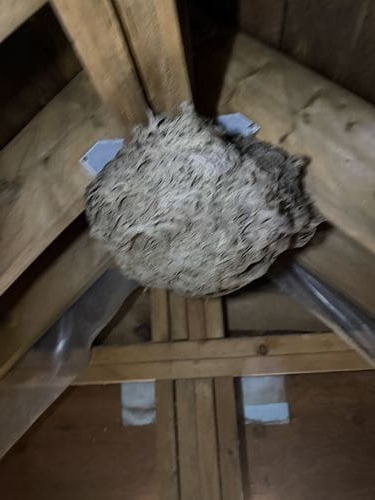
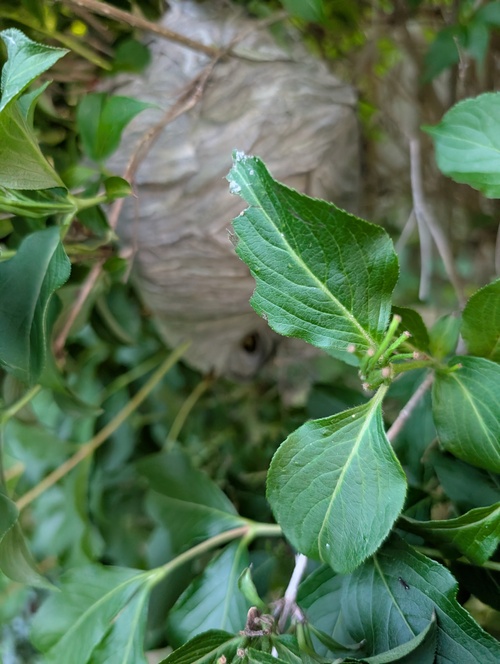
Bed bugs and cockroaches are more common in the GTA due to high-density living. In the summer, Carpenter ants are a major concern for those near wooded areas. Greater Toronto Area's wasp season peak during mid July to August with increased sightings of eastern yellow jacket wasps on/around trees, on/around property (soffits and roof lines), and around/under ground.
Insects are the broadest pest category on this list.
Common insect pests around Toronto properties include:
Calling something an "insect problem" therefore tells you very little about how it should actually be controlled so identification needs to go further.
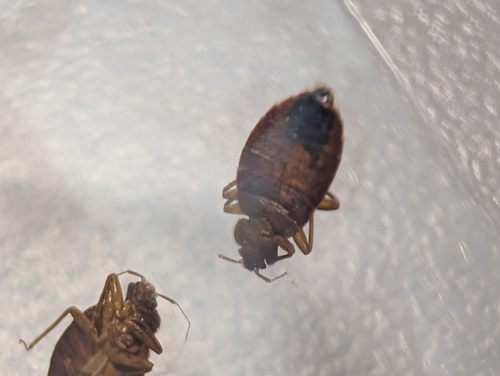
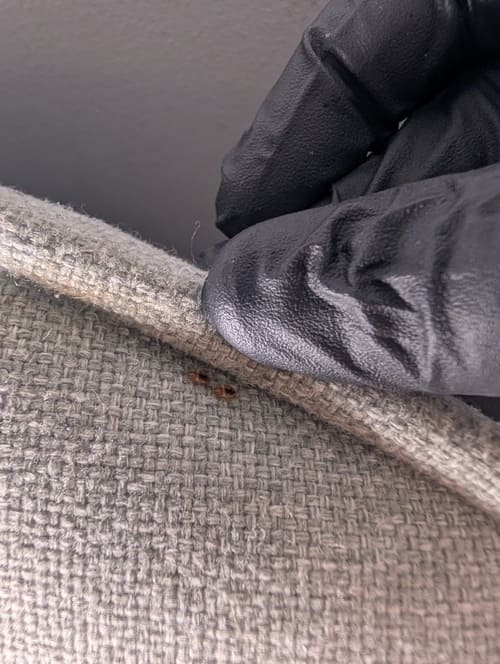
Bed bugs are small, flattened insects that feed on blood and are strongly associated with locations where people rest or sleep.
Common harbourage areas include:
Potential evidence includes:
Bites alone aren't sufficient to positively identify bed bugs because skin reactions can have many causes.
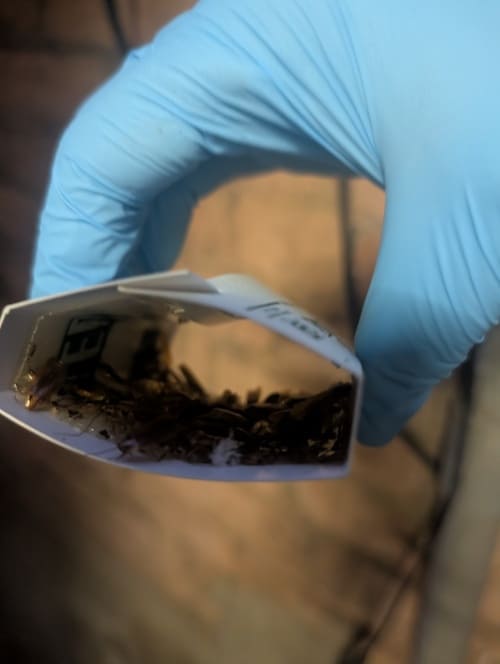
Several cockroach species can occur in Ontario, but species identification matters.
Common examples include:
German cockroaches are particularly associated with indoor environments containing food, warmth and moisture.
Common locations can include:
Potential evidence includes live cockroaches, droppings, egg cases and shed skins.
Not all ants entering Toronto properties are the same.
Guard More treats species including:
Species identification is particularly important here.
Carpenter ants excavate galleries in wood for nesting rather than eating the wood itself.
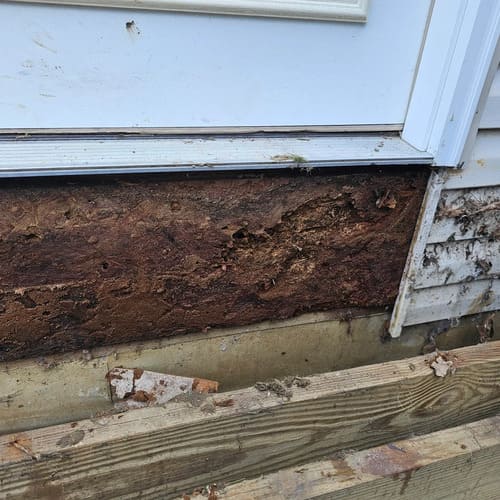
Their presence can be associated with damp or moisture-affected wood.
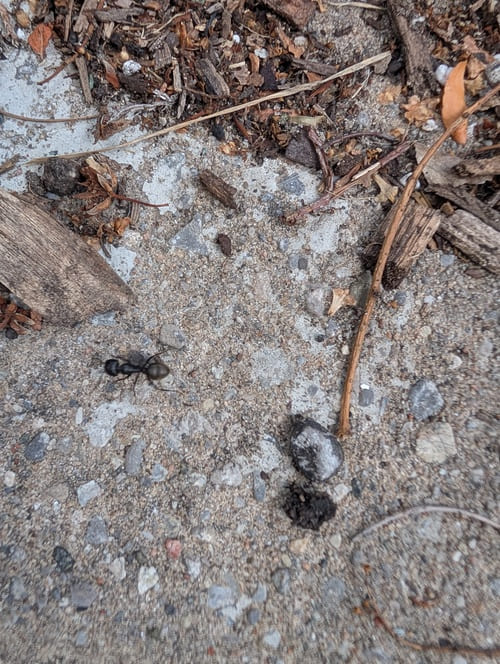
Pavement ants commonly establish colonies around soil, foundations, concrete and pavement and may forage inside buildings.
Pharaoh ants are small indoor ants whose colony behaviour makes correct treatment particularly important.
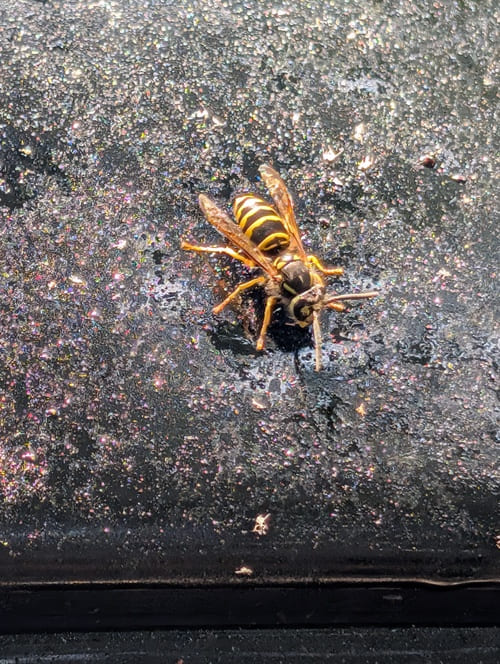
Wasps are another group where correct identification affects the response.
Common structural pest problems can involve:
Depending on the species, nests can be found:
Don't assume every yellow-and-black flying insect is the same species—or even a wasp.
Bees, wasps and other flying insects perform different ecological roles and shouldn't automatically receive the same response.
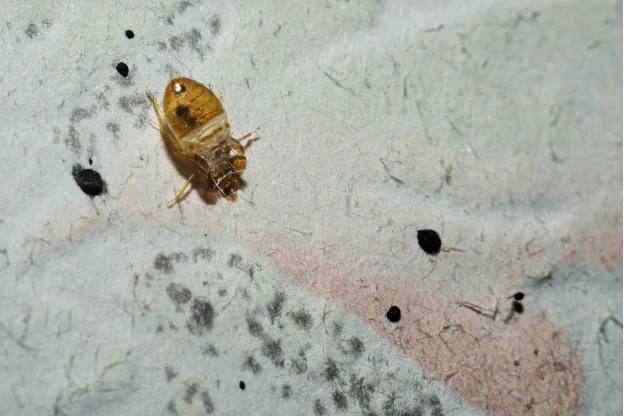
Video: Severe Bed Bug Infestation on Futon Couch
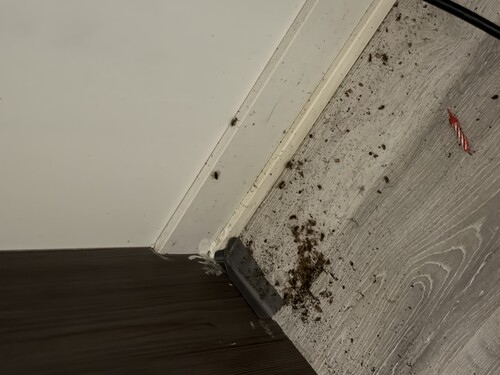
Video: Carpenter Ant infested rotted wood
In urban areas like the Downtown core or Etobicoke, pigeons are the primary concern. Their acidic droppings can erode building materials and transit infrastructure. Birds and bird nests commonly spread red bird mites which are very hard to get rid of. In our experience, bird nests that are built inside of dryer vents can quickly spread the throughout a living space.
Most birds are simply part of Toronto's urban ecosystem and require no control.
Problems arise when certain species repeatedly nest, roost or congregate around buildings in ways that cause property, sanitation or operational problems.
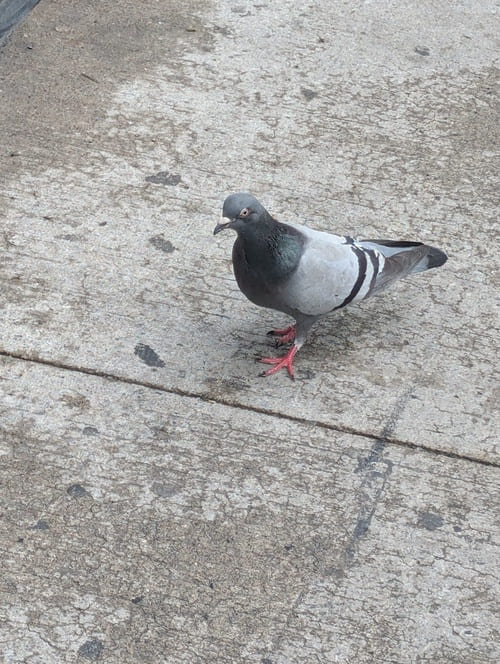
One of the most recognizable examples is the pigeon.
Pigeons are extremely well adapted to urban environments.
Buildings provide artificial equivalents of the ledges and protected spaces birds would otherwise use for resting or nesting.
Potential problem areas include:
The problem is generally not the existence of pigeons in Toronto.
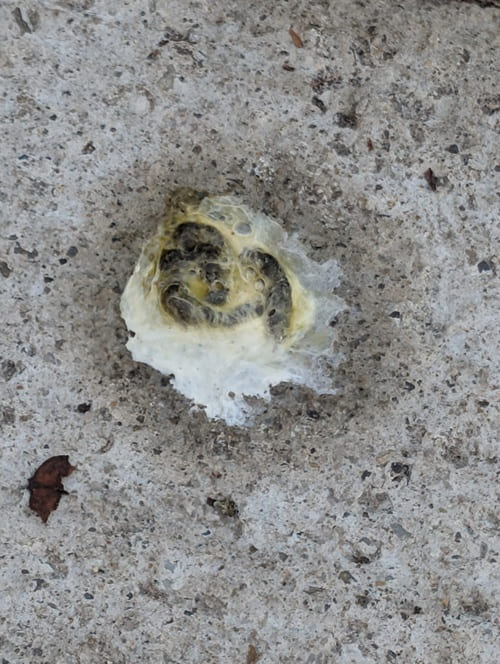
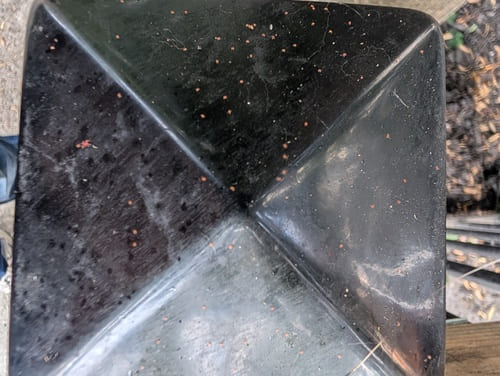
It's persistent roosting or nesting in locations where accumulated droppings, nesting material or obstruction creates a property-management issue.
Look for:

No.
Calling birds a pest category doesn't mean every bird on a property should be controlled.
The species, location, behaviour and applicable wildlife protections matter.
If a bird is simply visiting a garden or sitting in a tree, you probably don't have a pest-control problem.
Structural nesting, repeated roosting or birds entering a building are different scenarios.
Correct species identification should come before deciding whether intervention is appropriate.
Toronto is famously the "Raccoon Capital of the World". Our local wildlife is highly intelligent and has adapted perfectly to urban life.
Toronto and the surrounding GTA contain substantial urban wildlife populations.
Animals commonly associated with property problems include:
Again, these animals aren't inherently pests.
A squirrel in a tree is wildlife.
A squirrel chewing through a roof vent and nesting in an attic has become a structural wildlife problem.
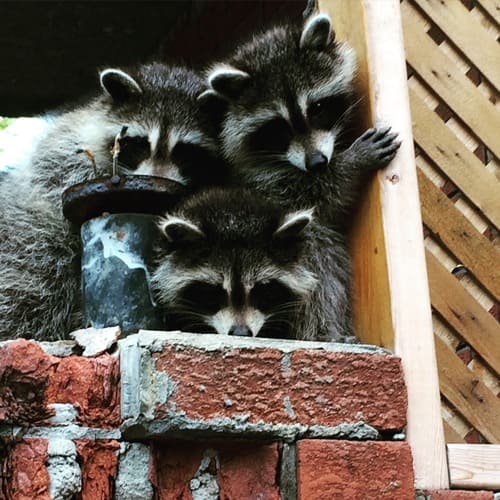
Raccoons are highly adaptable and comfortable living alongside people.
Properties can provide them with:
For homeowners, the bigger issue occurs when a raccoon gains access to the structure.
Potential signs include:
Wildlife control needs to consider both the animal and the structural opening it is using.
Simply getting an animal outside doesn't prevent it from accessing the same opening later.
Squirrels can create structural problems when they access:
Their gnawing behaviour can enlarge openings and damage building materials.
Activity is often associated with scratching, running or chattering sounds around attic and roof areas.
As with raccoons, effective wildlife work should consider removal and exclusion.
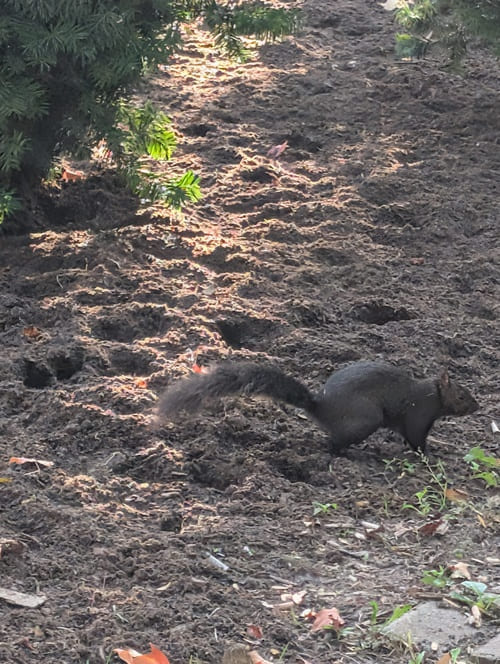
Skunks are more likely to create problems around the exterior of a property than inside an attic.
They may shelter underneath:
They can also dig in lawns while searching for food.
If an animal is living underneath a structure, correct identification matters before attempting exclusion or other control.

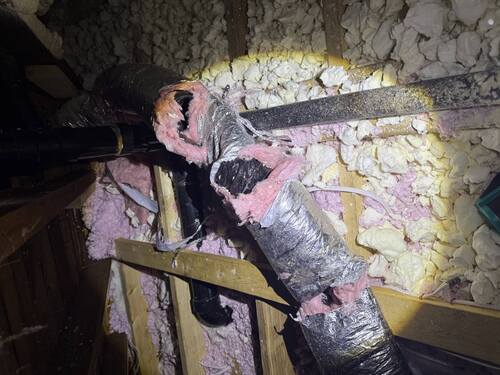
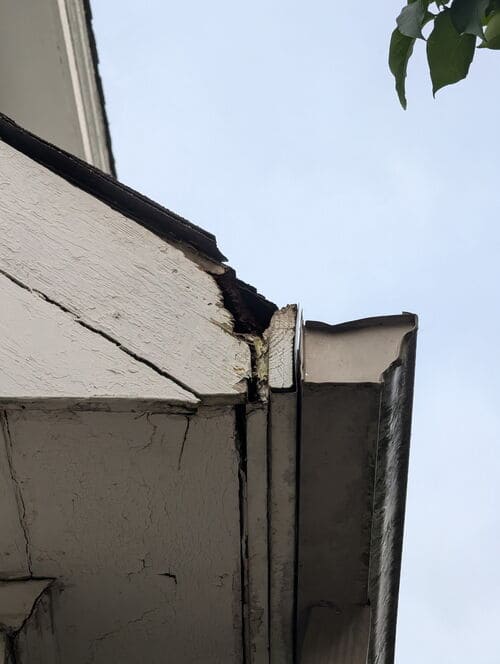
If wildlife has been living in the attic for months, the attic may be contaminated with wildlife urine and feces. There are potential health risks to humans entering the contaminated space like roundworms from raccoons. From studying 1,539 raccoons, researchers found 35% of raccoon had roundworms. Roundworms can cause fever, abdominal pain, and diarrhea.
The biggest distinction isn't simply appearance.
The pest category influences how the problem needs to be investigated and managed.
Often involves identifying:
Control can include species-specific baiting, residual treatment, physical treatment or exclusion.
Requires consideration of:
Control may combine trapping or baiting with exclusion.
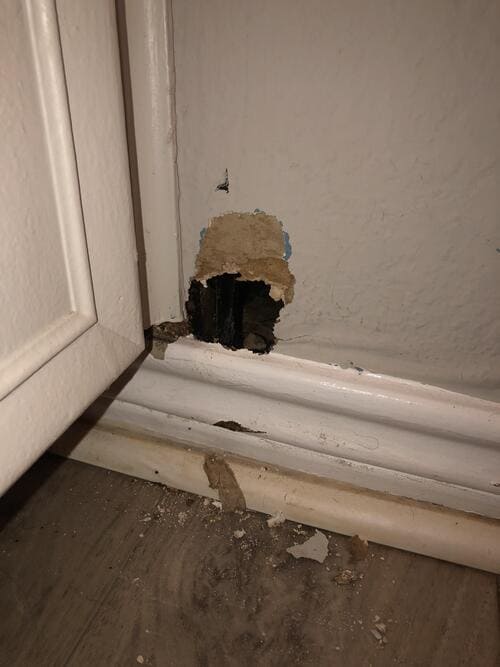
Usually focuses heavily on:
Focuses on species identification, roosting/nesting behaviour and the particular building conditions creating the conflict.
That's why pest identification comes before pest treatment.
If you're trying to identify an unknown pest, start with evidence rather than guessing.
Ask these questions when coming across a pest:
Note its:
Location can narrow down identification.
Was it:
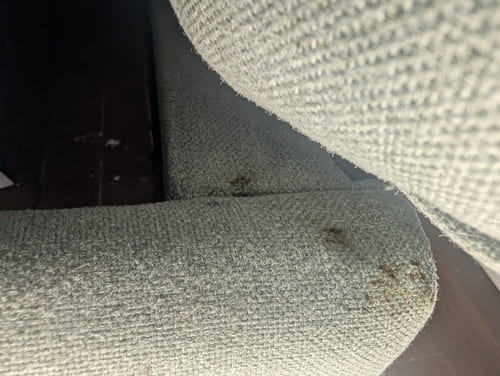
Some pests are more active at night, while others are regularly seen during daylight.
Look for:
Take clear photographs where possible.
A good image of the actual pest can be considerably more useful for identification than a description such as "small brown bug."
For Toronto and GTA homeowners, some of the most relevant household and structural pests include:
Correct identification determines what happens next.
Misidentifying a pest can result in:
For example:
A bed bug requires a completely different inspection and treatment strategy from a German cockroach.
A mouse inside a wall requires a different approach from a squirrel inside an attic.
And a raccoon on your lawn doesn't automatically require wildlife removal, while a raccoon entering through a damaged roof does.
Identification isn't just knowing the name of the animal.
It's understanding what species is present, where it is and why its behaviour is creating a problem.
Guard More groups common structural pests into four practical categories: rodents, insects, birds and urban wildlife. Each category contains individual species requiring more specific identification.
Common household pests in Toronto include mice, rats, bed bugs, cockroaches, ants and wasps. Raccoons and squirrels can also become structural pest problems when they enter homes.
House mice and Norway rats are two important structural rodent pests found around Toronto properties.
Common insect pests include bed bugs, cockroaches, carpenter ants, pavement ants, pharaoh ants, wasps and hornets.
Raccoons, squirrels and skunks can create property problems when they den, nest, forage or gain access to structures.
No. An insect is generally considered a pest in this context because its presence or behaviour is creating an unwanted problem. Many insects are harmless or beneficial.
No. Raccoons and squirrels are normal parts of Ontario's wildlife. They become a property-management concern when their behaviour creates problems such as structural entry, denning or damage.
Photograph the pest and record where it was found, its approximate size, colour, behaviour and any associated evidence such as droppings, shed skins, nesting material or property damage.
Correct identification is the first step towards deciding whether control is actually required.
If you've found an insect, rodent or wildlife activity around your property, take clear photographs of the pest and any evidence you've discovered.
Guard More Pest Control provides professional pest identification and pest-control services across Toronto and the Greater Toronto Area.
Guard More Pest Control provides professional pest control and wildlife removal services for residential and commercial properties across Toronto and the Greater Toronto Area.
Guard More's current services cover insects, rodents and wildlife including bed bugs, cockroaches, mice, rats, ants, wasps, raccoons and squirrels.
Do you have a pest problem that needs to be looked at right away? Contact Guard More Pest Control about your pests and we'll work on solving your pest problem within 24 hours.