Understanding which pests are most active during a Toronto fall can help you protect your property and your peace of mind.
Last updated:
September 27, 2026
As temperatures drop below 10°C and daylight time shortens, the fall season start triggers the annual invasion in urban settings across the Greater Toronto Area. From September through November, several species that thrived outdoors all summer begin searching shelter for warmth and your home is their best option.
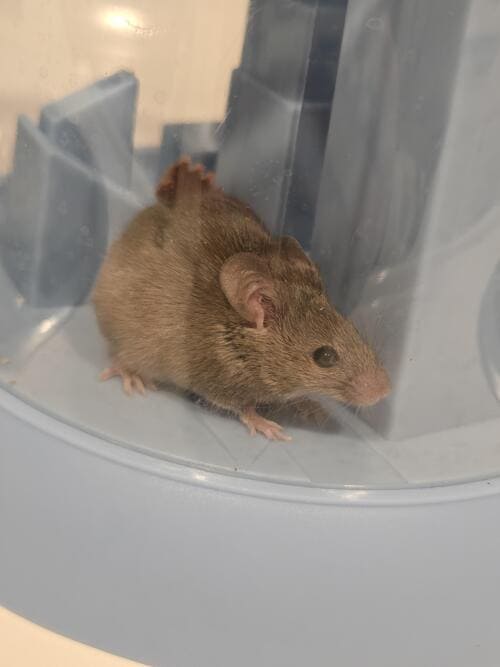
The GTA experiences a predictable rodent surge each fall when overnight temperatures first consistently drop below 10°C, the temperatures typically get to this level around late September and October. A house mouse can compress its body through a gap as small as 6mm (pencil diameter) making every older Toronto home vulnerable to a rodent infestation.
The Warning Sign: Small dark droppings (3–6mm with pointed ends) found along wall junctions, behind appliances, or under sinks are the earliest and most reliable indicator of mouse activity.
The Risk: Rodents gnaw constantly to wear down their ever-growing incisors. Electrical wiring are a primary target and potentially cause unseen fires within the property structure.
Brown Mouse in plastic device
2. The Overwintering Cluster: Cluster Flies, Asian Lady Beetles and Stink Bugs
On warm days in September and October, you may notice large numbers of slow-moving flies or beetles congregating on the south and west-facing walls of your home. These are overwintering insects seeking a protected shelter to survive the winter.
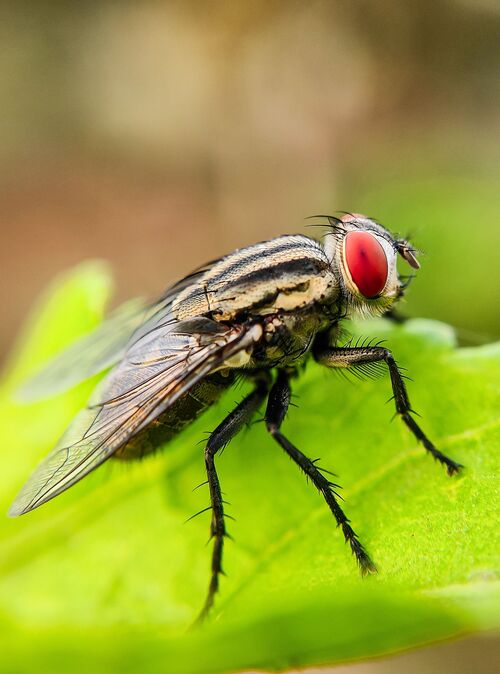
Cluster Flies: Slightly larger and slower than house flies. They have a distinctive golden sheen on their thorax. They spend winter clustered in wall voids and attic spaces growing numbers to hundreds even thousands.
Asian Lady Beetles: Similar in appearance to native ladybugs but larger. They have a wider colour range and a distinctive "M" marking behind the head. They can release a pungent yellow fluid when disturbed.
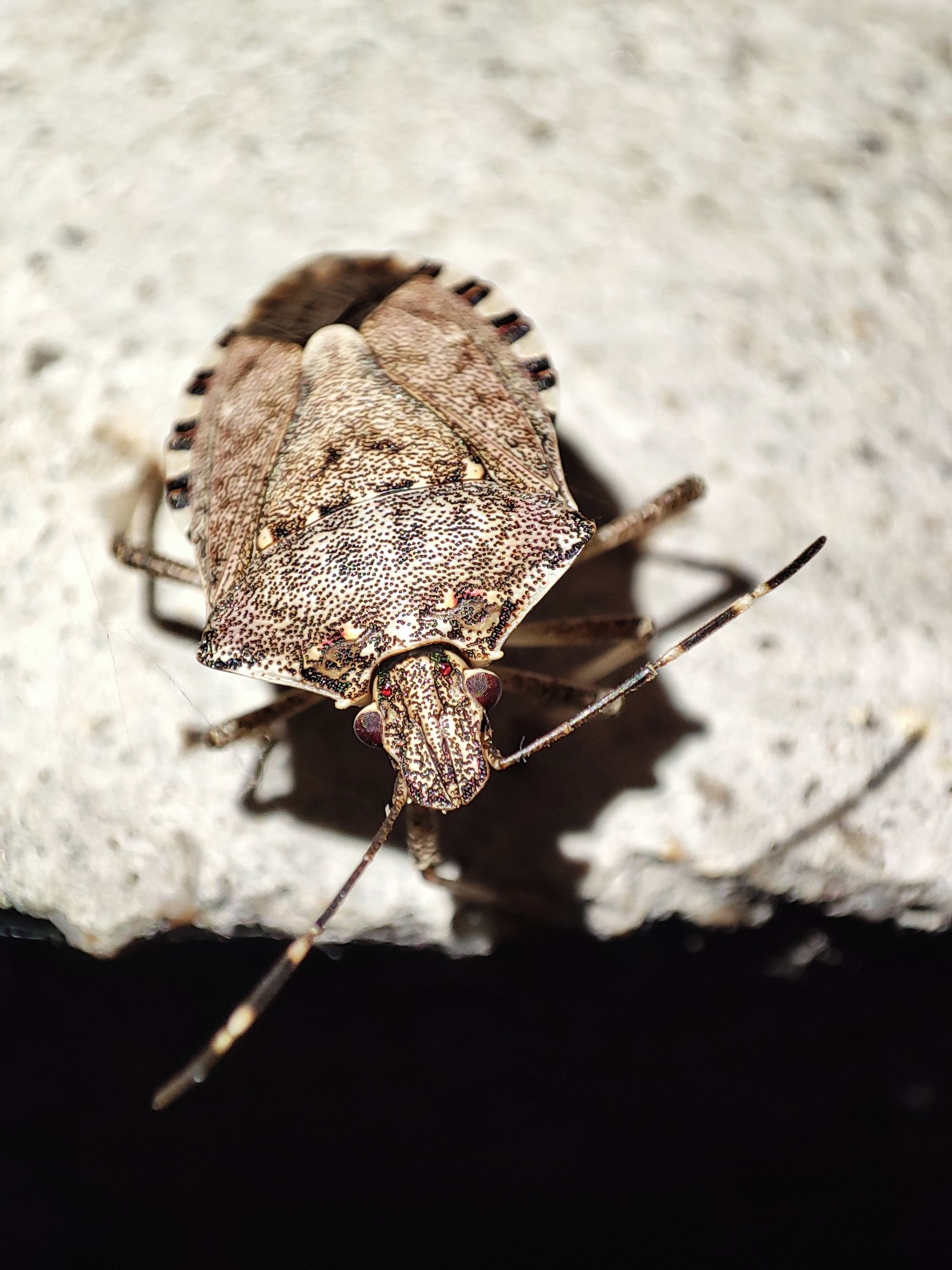
Brown Marmorated Stink Bug: Mottled brown and grey also known as the 'marmorated' (marbled) appearance that gives the insect their name with a shield shaped back.
Prevention: They can enter properties through seal gaps around exterior electrical outlets, window frame joints, and soffit edges. These insects will be looking for shelter around mid-September.
Image: Brown Marmorated Stink Bug on rock (source: Pexels Royalty Free Stockphotos, Photographer: Ale Bel)
3. The Structural Concern: Carpenter Ants (Final Foraging)
Carpenter Ants remain active until the first hard frosts around October. Any satellite colony established inside your walls during spring and summer will become in-active for the winter season with the plan of resuming activity around March
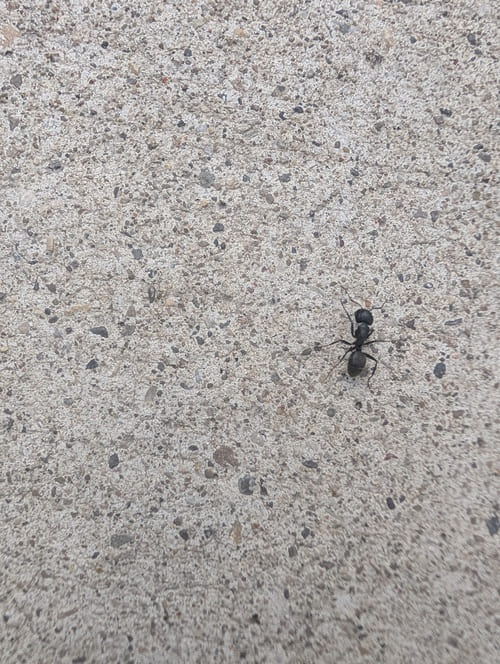
The Warning Sign: Finding large black ants inside in October or November confirms an established indoor satellite colony.
The Risk: A colony that overwinters inside your walls will resume excavating in March. Untreated colonies grow year over year (3-6 years to become a mature colony) and the structural damage accumulates slowly but compounds over multiple seasons.
Carpenter ant on cement ground
4. The Frantic Food Storers: Squirrels
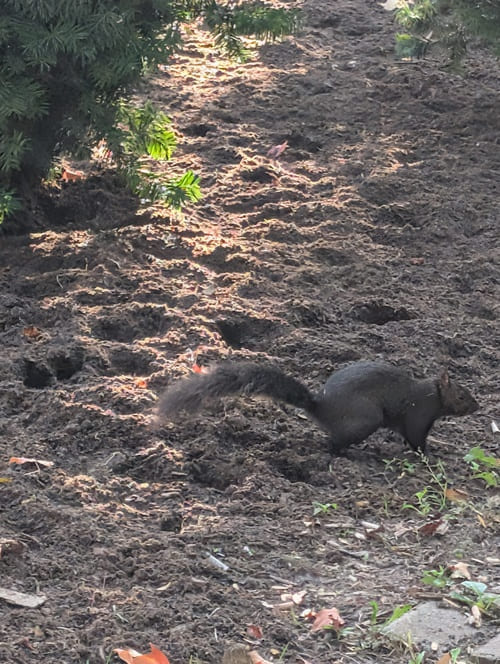
Fall is the highest-risk season for squirrel entering homes searching for warm shelter. Eastern Grey Squirrels spend September and October in an intense food-caching mode finding and storing thousands of nuts, seeds, and acorns before winter. During this same period they actively probe for potential den sites making the fall months the peak window for attic intrusion. You can see evidence of this food caching at parks, near parks, and front yards across the GTA (see image of squirrel food caching holes below).
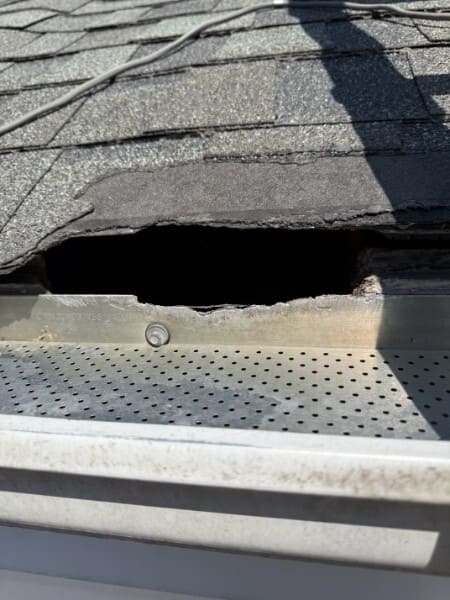
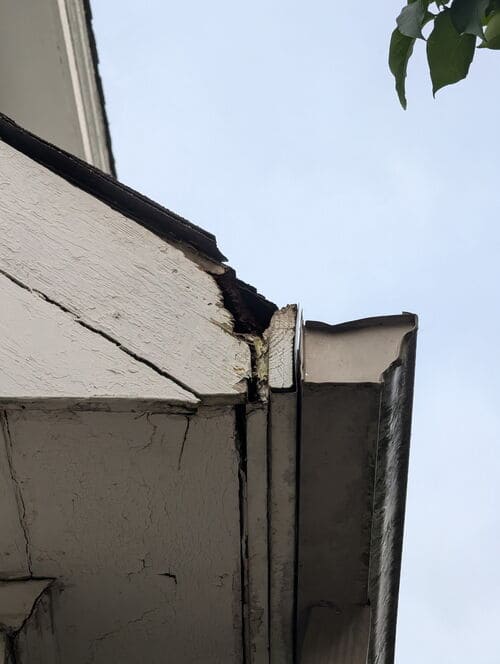
The Warning Sign: Fast and light scurrying sounds in the attic during early morning daylight hours are the clearest indicator. Squirrels are strictly diurnal so they stick to daytime hours. Attic sounds almost always means squirrels rather than raccoons or rodents. Inspect for new gnaw marks on the fascia boards or displaced soffit panels along the roofline.
The Risk: Squirrels gnaw constantly and electrical wiring in attics is a primary target. They can tear apart and compress insulation to create nesting cavities reducing its thermal performance significantly. A gap as small as 4cm (golf-ball) is sufficient for a Grey Squirrel to enter.
The Timing: Unlike raccoons, squirrels do not slow down in winter. A squirrel that gains attic access in October will remain active through January and February. Fall exclusion work is far simpler than mid-winter removal.
Eastern Squirrel next to dug up dirt garden area at park
Squirrels chewed through metal and shingle and wood on house roofline
Roofline hole chewed by Squirrels
5. The Late-Season Nuisance: Raccoons Preparing to Den
As food sources decline and temperatures drop, raccoons will begin scouting and establishing den sites for winter. Raccoons do not truly hibernate but enter a state of torpor during cold snaps requiring a secure and warm den in advance.
The Warning Sign: Increased rooftop activity at dusk, fresh scratch marks on fascia boards, or a new gap in soffits appearing in October or November are all indicators of a raccoon scouting or establishing access to your attic.
The Risk: A raccoon that dens in your attic through winter will contaminate insulation with urine and feces and is very likely to return to the same site the following spring to raise a new litter.
Important: November is the last practical window for exclusion before the animal fully establishes. Once a raccoon has settled into torpor inside your attic then removal becomes more complex.
Raccoons ripped attic insulation out
6. The Second Wave: Blacklegged Ticks Peak Again in September and October
Most people are aware of tick risk in spring and early summer, when blacklegged tick nymphs are active. Fewer know that adult blacklegged ticks have a second, equally significant activity peak in September and October. During this period, the adult ticks are larger, easier to find before they attach, but also more likely to have fed on a previous host and carry Borrelia burgdorferi, the bacterium responsible for Lyme disease.
Public Health Ontario confirmed 3,614 cases of Lyme disease in 2025 increasing by 30 times the 119 cases in 2010. We recommend checking your backyard if it backs up tonto any naturalized or wooded space. Fall is when homeowners are raking leaves, tidying gardens, and spending time in exactly the shaded, leaf-litter environments where ticks wait to attach.
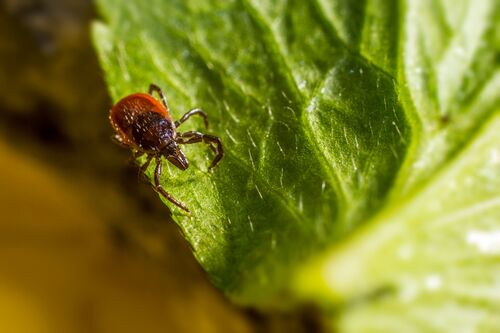
The Warning Sign: Finding a small dark speck attached to skin after raking leaves, clearing brush, or spending time in any wooded area. Adult blacklegged ticks in fall are approximately 3–5mm (sesame seed sized) making them slightly more visible than spring nymphs but still easily missed on dark clothing or in body hair.
The Risk: If an infected blacklegged tick remains attached for more than 24 to 36 hours, it can transmit Lyme disease. Fall leaf litter provides prime tick habitat. Ticks remain active until the first hard frost and can be encountered on any day above 4°C throughout October and into November.
The Prevention: Wear light-coloured clothing when doing fall yard work. Tuck pants into socks. Perform a full body tick check on yourself, children, and pets after any time outdoors. Bag raked leaves promptly rather than allowing them to sit in piles where ticks concentrate. If you find a tick attached, remove it with fine-tipped tweezers and submit it for identification via eTick.ca.
Image: Blacklegged Tick on leaf (source: Pexels Royalty Free Stockphotos, Photographer: Erik Karits)
7. The Dying Colony: Wasps at Their Most Dangerous in September
Wasps in September and October are not winding down, this is the period which they are most unpredictable and aggressive. By late summer, a wasp colony that has been raising larvae all season suddenly stops receiving its primary food source: the queen stops laying eggs, and larval secretions that workers fed on dry up. The colony’s workers, suddenly deprived of their carbohydrate source, become desperate foragers.
This is why wasps in fall are so much more aggressive near outdoor food, garbage, and beverages than they were in July. They are not defending a nest with the same purposeful precision as summer instead the wasps are starving and will sting opportunistically. Public health experts have confirmed that late summer into fall is the highest-risk period for stinging incidents involving yellow jackets specifically.
The Warning Sign: Wasps appearing at outdoor dining areas, around recycling and garbage bins, and near sweet beverages or food in September and October with unusual aggression. Dying wasps found inside the home, commonly on windowsills, indicate a nest somewhere inside the wall structure.
The Risk: A nest that has been present since May and is now entering its dying phase in October can still hold thousands of workers. Disturbing it at this stage triggers a defensive response that can be more intense than at any other time of year. Workers will sting without provocation and pursue at a greater distance than in summer.
The Timing: Treat any known or suspected wasp nest before the end of September. An untreated paper nest left through fall will disintegrate over winter but the cavity that the wasp nest occupied will likely be re-colonized by a new queen the following spring.
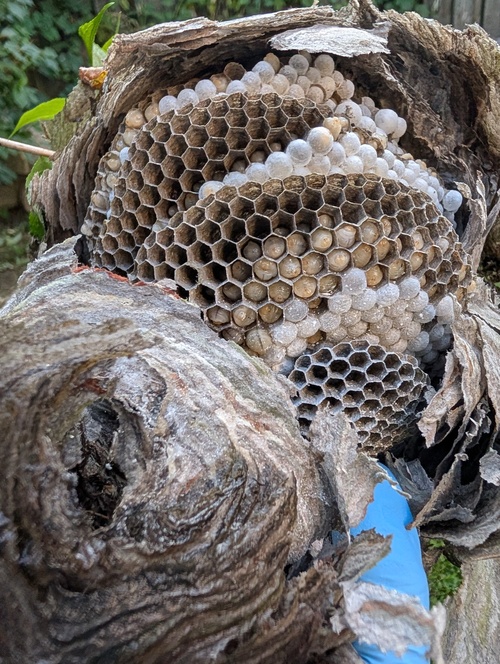
Yellowjacket Wasp nest containing wasp larvae
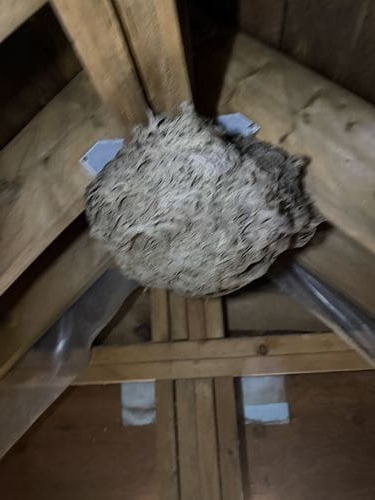
Yellowjacket Wasp nest in attic
8. The Autumn Web-Spinners: Spiders Moving Indoors
September and October are months when most GTA homeowners notice a dramatic increase in spider activity inside their homes. This is not a sudden invasion from outdoors because the spiders that are found indoors in fall have typically been living in the home all summer, in crawlspaces, basements, storage areas, and undisturbed corners. As temperatures outside drop, spiders become more active in their search for warmth, mates, and prey, making them far more visible.
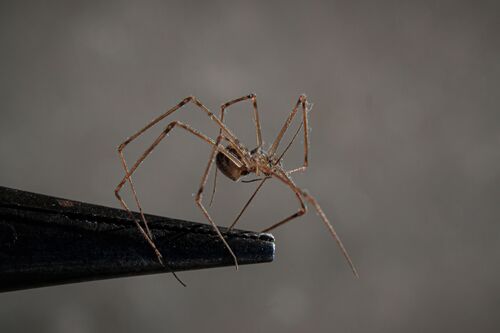
Male spiders in particular are actively wandering in September and October during mating season, which is why you see them crossing floors and walls with unusual frequency. The species most commonly encountered in GTA homes include the common house spider, the cellar spider (the long-legged variety often called a “daddy long legs”), and the more striking but non-venomous dark fishing spider near basement moisture sources.
The Warning Sign: A sudden increase in webs in undisturbed areas like basement corners, window frames, storage rooms, and ceiling edges. Spiders actively moving across floors and walls at night rather than remaining stationary in a web.
The Risk: The spiders native to the GTA are not a health risk to humans. None of Ontario’s common house spiders produce venom capable of causing serious harm to healthy adults. However, their presence in high numbers is a reliable indicator of an underlying insect population they are feeding on. A significant spider presence often means a concurrent population of insects (flies, crickets, silverfish, or cockroaches) that is sustaining them.
The Control: Reducing spider populations long-term means reducing the insect prey they depend on, sealing the gaps that allow those insects to enter, and removing the undisturbed clutter and debris where spiders establish their webs. Sticky insect monitors placed along baseboards can help identify what insects are present.
Image: Daddy Long Legs Spider (source: Pexels Royalty Free Stockphotos, Photographer: Cristian Ortega)
Fall Pest Prevention Checklist for GTA Homeowners
Seal all utility penetrations in September: Seal gaps around gas lines, dryer vents, electrical service entrances, and plumbing penetrations as they serve as primary mouse entry points. Use galvanized steel wool packed into gaps as standard foam sealant can be chewed through by mice within hours of application.
Replace worn door sweeps on all exterior doors: A gap greater than 6mm under any exterior door is a mouse entry. Replace rubber sweeps with metal-backed versions before October.
Inspect the roofline in October: Walk the perimeter and keep an eye out for new soffit damage, displaced vent screens, fresh gnaw marks, or scratch marks indicating potential squirrel or raccoon activity.
Seal exterior wall gaps before mid-September: Caulk around all window frame joints and exterior electrical outlets to prevent overwintering insects from entering wall voids.
Trim overhanging tree branches before squirrel season peaks: Grey Squirrels use branches as a direct bridge to your roofline. Trim branches to maintain at least three metres of clearance between any branch and your property before food-caching season starts around October.
Store dry food in sealed hard containers: Transfer cereals, grains, and pet food from cardboard boxes to sealed glass or hard plastic containers before rodent activity peaks in October.
If you find our content useful, please add guardmorepests.com as a preferred source on Google.
Keep Your Home/Business Pest-Free Today
Do you have a pest problem that needs to be looked at right away? Contact Guard More Pest Control about your pests and we'll work on solving your pest problem within 24 hours.
.png)