.png)



Pest Profile: Bed Bugs
Bed bugs are silent, invisible, and relentless. By the time you notice the bites, there may be hundreds already be hiding in your mattress that won't disappear without professional bed bug treatment.
Last Updated: September 7, 2026
Quick Facts about Bed Bugs
Physical Identification of a Bed Bug
Bed bugs are small but visible to the naked eye. They could be confused for ticks, fleas, carpet beetles but correct identification is essential before treatment begins.
✔ Flat, oval body — When unfed, the bed bug body is remarkably flat and thin enough to hide in a seam, crack, or behind an outlet cover. After feeding, it becomes engorged and balloon-like.
✔ Apple-seed size and shape — Adult bed bugs are 4–5 mm long approximately the size and colour of an apple seed. This is a useful visual reference to keep in mind.
✔ Six legs, no wings — Bed bugs have vestigial wing pads but cannot fly. They move by crawling at approximately 1 metre per minute.
✔ Antennae — Four-segmented antennae with a beak-like piercing mouth part (rostrum) folded under the body when not feeding
✔ Distinctive odour — Large bed bug infestations produce a characteristic sweet, musty, raspberry-like scent from scent glands. This smell is often described by clients as a coriander or almond-like smell.
✔ Nymph appearance — Newly hatched nymphs are translucent white-yellow and nearly invisible until they take their first blood meal. After feeding they develop the characteristic reddish-brown colour.
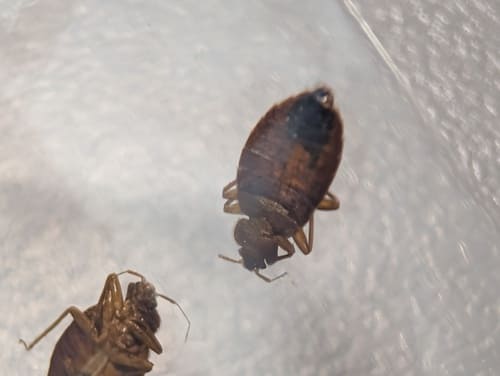
Carpet beetle larvae are frequently mistaken for bed bugs. Key differences is that carpet beetles are fuzzy/hairy and oval with a more tapered body. Bed bugs are hairless with a consistent oval shape and show the flat/engorged distinction. If bites are present alongside the insect, bed bugs are far more likely as carpet beetles do not bite humans.
Bed Bug Behaviour & Biology
Bed bug behaviour is entirely organized around a single biological drive: finding and feeding on a sleeping host. Every aspect of their lifestyle is an adaptation to that goal.
- Nocturnal Feeding Strategy: Bed bugs feed primarily between 2–5 AM when hosts are in their deepest sleep. They are attracted to CO2 exhaled during breathing and to body heat. A feeding session lasts 5–10 minutes after which the bug retreats to its harborage site often within 1–2 metres of the host. They do not remain on the host between feedings.
- Harborage Behaviour & Aggregation: Bed bugs are intensely harborage-seeking. They hide in clusters in cracks, seams, and voids as close to the host as possible. Mattress seams, box spring folds, headboard joints, and nearby furniture are primary zones. As populations grow, they expand into baseboards, wall outlets, picture frames, and electronics. This expansion pattern is used to assess infestation severity.
- Exceptional Starvation Tolerance: Bed bugs can survive without feeding for 12–18 months under cool conditions. This is the key reason why simply vacating a property does not resolve an infestation. Buildings left empty for weeks or months still harbour viable populations upon return. Professional treatment is the only solution. Abandoning your property will not rid it of bed bugs.
- Feeding Requirements Per Life Stage: Each of the five nymphal instars requires at least one blood meal to molt to the next stage. Adults feed every 5–7 days under optimal conditions. This means a single missed feeding cycle extends the nymph's development but does not kill it. Eliminating the host does not eliminate the infestation.
- Passive Dispersal Only: Bed bugs cannot fly or jump. They spread exclusively by crawling onto a host's belongings such as luggage, clothing, bags, used furniture, and personal items. This is why hotels, hostels, public transit, movie theatres, used furniture stores, and laundromats are common exposure sites. They spread between apartment units through shared walls, electrical conduits, and plumbing chases.
- Traumatic Insemination: Male bed bugs mate through a process called traumatic insemination by piercing the female's abdomen to deposit sperm directly into the body cavity. This results in immune stress for females and drives dispersal behaviour as mated females move away from the aggregation site to reduce further mating pressure. This biological quirk contributes to the rapid spread of bed bugs within a building.
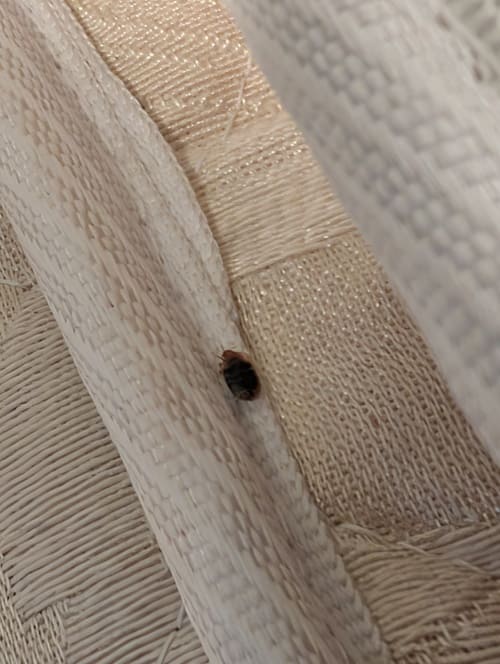
Image: Adult Bed Bug on mattress seam
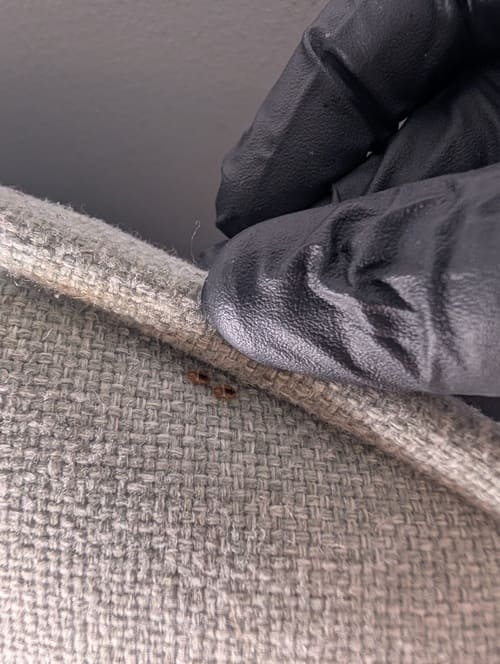
Image: Two Adult Bed Bugs hiding under fabric bed frame headboard seam
How Bed Bugs Enter & Spread
Bed bugs do not originate in dirty or neglected homes, they are introduced exclusively by passive transport. Even the most meticulously clean home can become infested.
Bed Bug Infestations Travels Between Units: In condominiums and apartment buildings, bed bugs move between units through wall voids, under door frames, along baseboards, through electrical outlets, and via shared plumbing chases. A single infested unit can seed an entire floor if not treated promptly. Property managers and building owners have a responsibility to coordinate treatment across affected units treating one unit while adjacent units remain untreated virtually guarantees re-infestation.
Bed Bug Reproduction & Life Cycle
The bed bug life cycle is deceptively simple but strategically resilient. The combination of rapid egg production, five protected nymphal instars, and long survival times makes incomplete treatments nearly always result in re-infestation.
- Eggs: Females lay 1–5 eggs per day depositing them with a clear adhesive in cracks, seams, and harborage sites. Bed bug eggs are 1 mm long, white, and extremely difficult to see without magnification. They are immune to most residual insecticides applied to surfaces, hatching nymphs emerge into a treated environment and must directly contact treated surfaces.
- Five Nymphal Instars: After hatching, bed bugs pass through 5 nymphal stages (instars), each stage requiring a blood meal to molt. The complete nymph-to-adult journey takes 5–8 weeks under optimal conditions (21–32°C). Cooler temperatures significantly slow development but do not halt it, bed bug populations persist through Canadian winters in heated homes.
- Rapid Population Growth: Under ideal conditions (accessible host, warm temperature, no intervention), a single mated female can establish a population of 300+ individuals within 3 months. A moderate infestation of 50–100 individuals can grow to thousands within a single season. Early treatment is far simpler and less expensive than treating an advanced infestation.
- Temperature Extremes & Survival: Bed bugs are killed by sustained heat above 48°C (118°F) for 90+ minutes which is the basis of heat treatment. Normal seasonal outdoor temperatures in Ontario are insufficient to kill bed bugs inside a building.
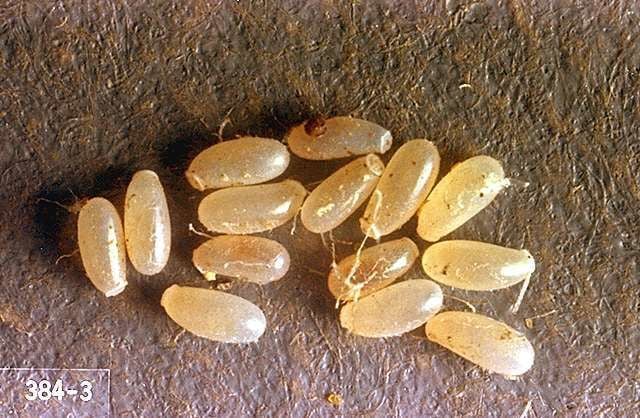
Bed Bug Reproduction & Life Cycle
Bed bugs are not currently known to transmit infectious diseases to humans but their health impacts are significant and extend well beyond the physical symptoms of bites.
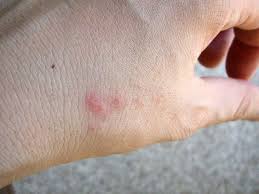
⚠ Bite Reactions — Bed bug bites appear as red, itchy welts often in a characteristic line or cluster ('breakfast, lunch, and dinner' pattern) on exposed arm, neck, shoulder, and leg skin. Reactions vary widely with up to 30% of people show no visible reaction making bites an unreliable sole diagnostic tool. Reactions typically appear 1–14 days after the bite.
⚠ Secondary Skin Infections — Intense itching of bed bug bite sites frequently leads to scratching which breaks the skin and creates entry points for secondary bacterial infections including impetigo, cellulitis, and in rare cases, ecthyma. Children are particularly susceptible to secondary infections from scratching.
⚠ Allergic Reactions & Anaphylaxis — A small percentage of individuals develop significant allergic responses to bed bug saliva, including hives, swelling, and in rare cases, anaphylactic reactions requiring medical treatment. Any severe systemic reaction following bites warrants immediate medical assessment.
⚠ Iron Deficiency Anaemia — In cases of severe, prolonged infestation involving the elderly, young children, or individuals who cannot easily relocate, the cumulative blood loss from repeated nightly feeding has been documented to cause clinically significant iron deficiency anaemia.
⚠ Mental Health (Insomnia, Anxiety & PTSD) — The psychological impact of bed bug infestation is clinically documented and significant. Studies report elevated rates of insomnia, anxiety disorders, depression, and post-traumatic stress symptoms in individuals who have experienced infestations. The knowledge that something is feeding on you while you sleep is profoundly distressing and can persist long after elimination.
⚠ Social Isolation & Stigma — Infested individuals frequently avoid having guests, cancel social plans, and become reluctant to visit others as they fear of spreading the infestation or due to shame.
Signs of Bed Bug Activity
Bed bugs are cryptic but leave consistent evidence. A systematic inspection using a flashlight and credit card to probe seams and crevices will reveal the following signs:
✔ Bite marks on skin — Red, itchy welts ( line or cluster on arms), neck, shoulders, and face appearing overnight.
✔ Blood spots on bedding — Small rust-coloured smears on sheets and pillowcases from engorged bugs crushed during sleep.
✔ Dark fecal spots — Tiny black or dark brown ink-like dots deposited on mattress seams, box spring fabric, headboard joints, and nearby baseboards that do not wipe off cleanly.
✔ Live or dead bugs — Use a flashlight to check mattress seams, box spring folds, headboard crevices, and nearby furniture joints.
✔ Shed exoskeletons — Translucent, hollow nymph skins in or near harborage sites indicates active breeding.
✔ Eggs in seams — They are tiny (1 mm), white, oblong eggs glued into fabric seams and wood crevices. Use a magnification tool to see them.
✔ Sweet musty odour — A distinctive coriander-like smell in a bedroom with no other explanation. The smell is more noticeable in severe infestations.
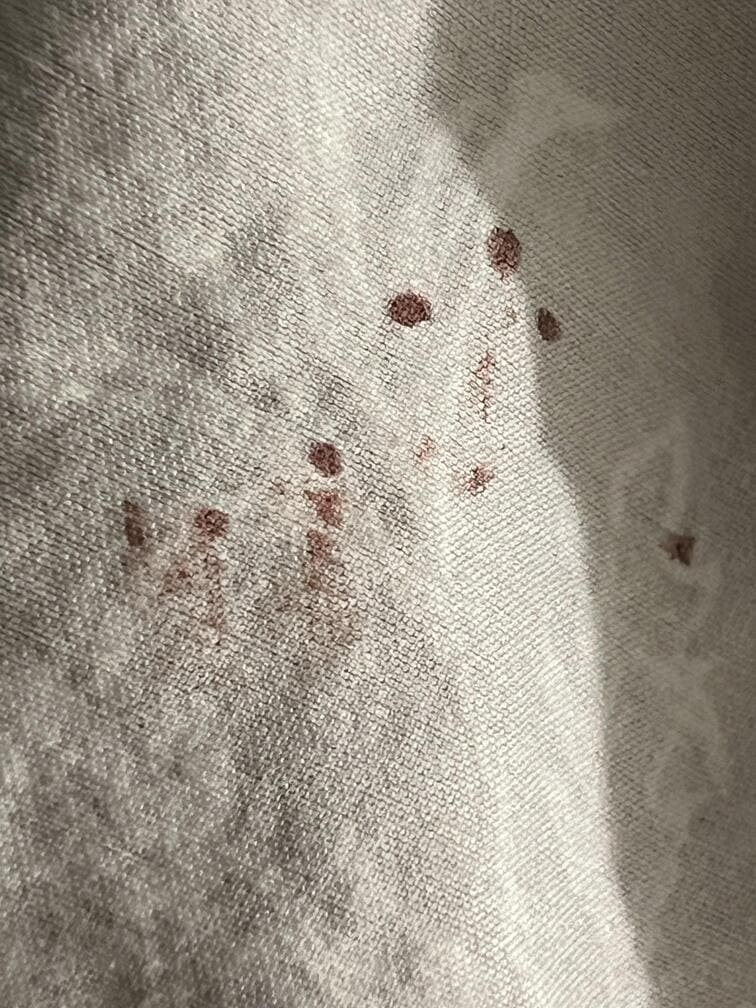
Image: Crushed Bed Bug smears on sheets
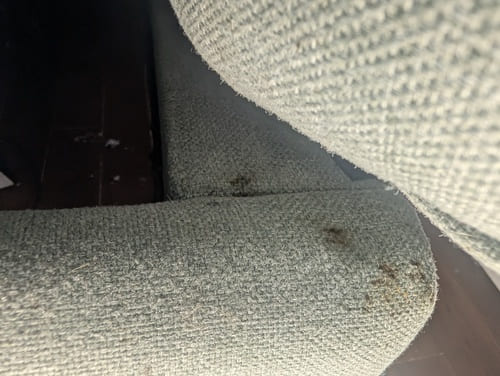
Image: Crushed Bed Bug smears on fabric bed frame
Why Professional Treatment Is Essential
Bed bugs are one of the most difficult pests to eliminate and the pest where DIY failure is most common and most costly. Understanding why is important:
✔ Over-the-counter: These sprays kill exposed bed bugs on contact but have little residual effect and do not penetrate the harborage sites where 95%+ of the population hides
✔ Bed bug 'bombs': These solutions are clinically proven ineffective against bed bugs causing them to dispersal to new areas making the infestation worse.
✔ Egg immunity: No currently available residual insecticide kills bed bug eggs. The treatment must remain active long enough to kill all hatching nymphs requiring follow-up application timing (within 14 days).
✔ Bed Bug 'Super Bug' Resistance: Many bed bug populations carry resistance to pyrethroids (the primary consumer insecticide class). The professional treatment rotate chemical classes to overcome resistance.
✔ Behaviour modification: Improper treatment attempts cause bed bugs to scatter into new harborage sites including adjacent rooms and units complicating the professional treatment afterward.
✔ Comprehensive inspection: Identifying all harborage zones in a property requires trained eyes. By missing one active zone, bed bug re-infestation can occur.
Our licensed technicians conduct a comprehensive inspection to locate and map all harborage zones, apply Health Canada-registered and approved residual insecticides and contact killers to all affected areas including mattress seams, box springs, bed frames, baseboards, and furniture joints, provide a detailed pre-treatment preparation and post-treatment checklist, and schedule a follow-up visit to treat any newly hatched nymphs. Our work is backed with our 30-day guarantee.
Related Bed Bug Articles
Keep Your Home/Business Pest-Free Today
Do you have a pest problem that needs to be looked at right away? Contact Guard More Pest Control about your pests and we'll work on solving your pest problem within 24 hours.