What is the Difference between a Bed Bug and a Flea?
Last updated:
September 12, 2026
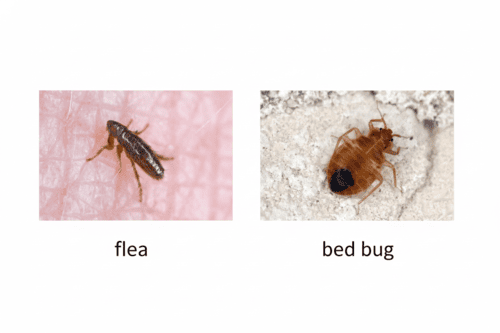
1. Bed Bug vs Flea Physical Appearance: Shape and Movement
The easiest way to tell these two apart is by looking at their body shape and how they get around.
The Flat Bed Bug: Bed bugs have a wide, oval-shaped body that is vertically flat (like a coin). This allows them to slide into the narrowest cracks of a bed frame. They cannot jump or fly; they move by crawling at a steady pace.
The Narrow Flea: Fleas are laterally flat (squashed from the sides). This sleek shape helps them navigate through thick animal fur. Unlike bed bugs, fleas have powerful hind legs that allow them tojump up to 13 inches making them much harder to catch.
Feature
Bed Bug
Flea
Shape
Flat and oval (like an apple seed)
Narrow and tall (from the side)
Color
Reddish-brown
Dark brown to black
Movement
Crawling only
Jumping and crawling
Size
5–7 mm (Larger)
1.5–3 mm (Smaller)
Flea vs Bed Bug appearance
2. Where Bed Bugs and Fleas are Found
Where you find the bug (or where you get bitten) is one of the strongest indicators of which pest you are dealing with.
Bed Bugs: The Bedroom Lurkers
Bed bugs are experts at staying close to their "food source". They hide during the day and come out at night to feed on humans while they sleep.
Common Spots: Mattress seams, headboards, bed frames, electrical outlets, and behind baseboards.
Behaviour: Bed Bugs are strictly nocturnal and prefer to stay within a few feet of your bed.
Fleas: The Pet-Loving Hitchhikers
Fleas are usually brought inside by a host—typically a dog or cat—and they prefer to stay on that host or where the host sleeps.
Common Spots: Pet bedding, carpets, rugs, and upholstered furniture.
Behaviour: Fleas are active both day and night. If you see a tiny dark speck "vanishing" or jumping from your carpet, it is almost certainly a flea.
3. Bed Bug and Flea Bite Marks
While everyone reacts differently to bites, the pattern and location can offer a big clue.
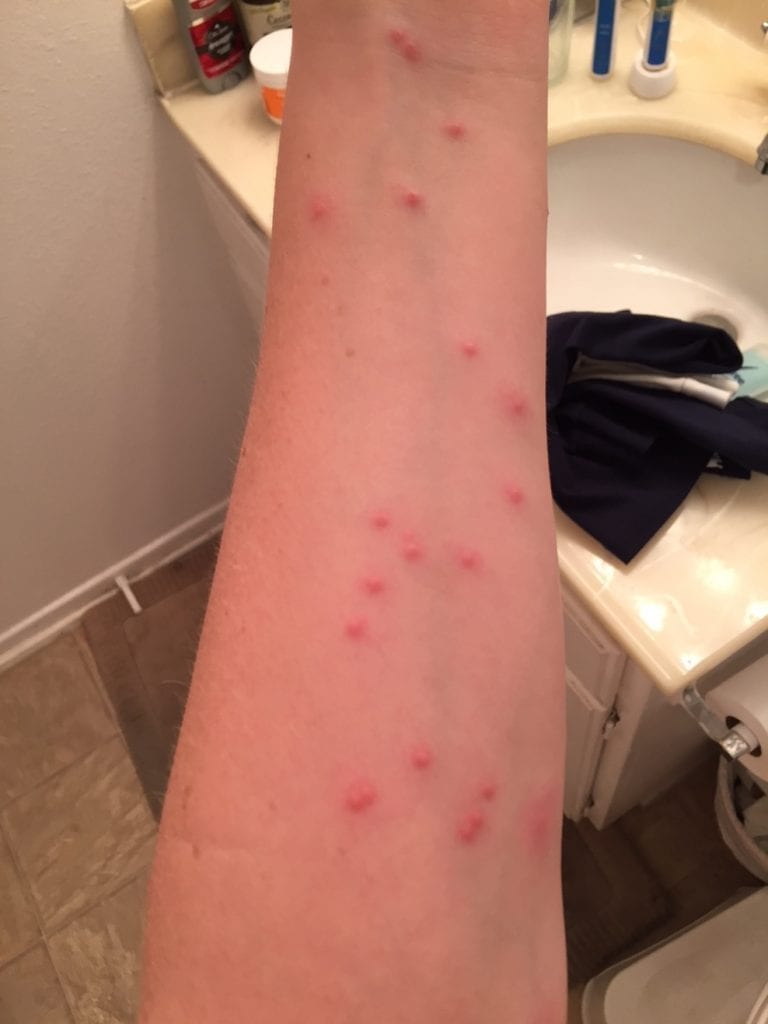
Bed Bug Bites: These usually appear in rows or straight lines (often referred to as "breakfast, lunch, and dinner"). They are most common on the upper body such as the arms, shoulders, neck, and face.
Bed bug bites
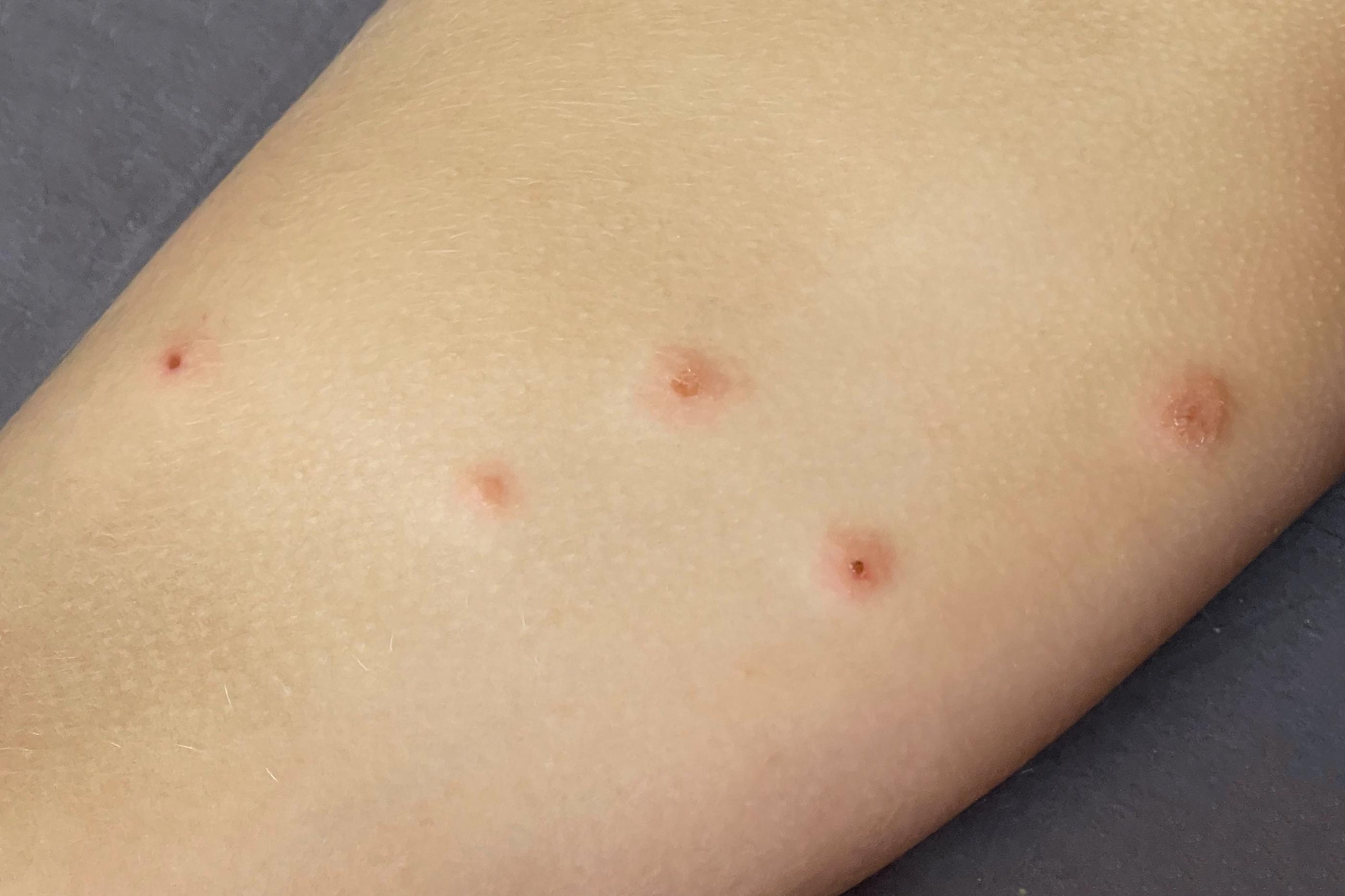
Flea Bites: These appear as small, red bumps with a central "puncture" point. They are usually found in random clusters rather than lines and are almost always located on the lower body, specifically the ankles and lower legs.
Flea bites
4. Infestation Signs
If you can't find the bug itself, look for the evidence they leave behind in your home.
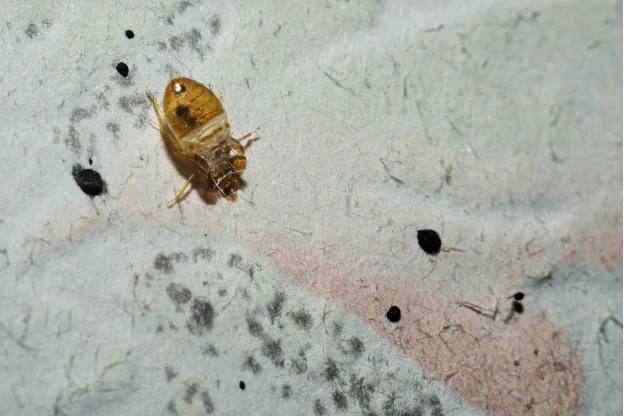
Bed Bug Evidence: Look for small black spots (fecal matter) on your sheets, "rusty" blood stains on pillows, or discarded translucent skins (exoskeletons) that the bugs shed as they grow.
Bed bug skin
Flea Evidence: Look for "flea dirt" (small black specks that turn red when placed on a wet paper towel) in your pet’s fur or bedding. You may also notice your pet scratching, licking, or biting at their skin excessively.
If you find a flat, crawling insect in your mattress seams, you likely have bed bugs. You will need to wash all bedding in high heat, vacuum thoroughly, and likely call a professional, as bed bugs are notoriously difficult to eliminate with DIY methods hence why bed bugs are known as the "super bug".
If you see tiny bugs jumping from your carpet or find your pet is constantly scratching, you have fleas. Your first step is to treat your pets with vet-approved flea medication followed by deep-cleaning carpets and rugs to remove eggs and larvae
If you find our content useful, please add guardmorepests.com as a preferred source on Google.
Keep Your Home/Business Pest-Free Today
Do you have a pest problem that needs to be looked at right away? Contact Guard More Pest Control about your pests and we'll work on solving your pest problem within 24 hours.
.png)