Pest Management Profiles is a series dedicated to exploring the intersection of the Greater Toronto Area's unique urban landscape and pest challenges.
Last updated:
July 15, 2026
In this first installment, we step into the Toronto’s most scrutinized and high-pressure environments: Restaurants.
In a city that prides itself on a world-class culinary scene, the battle against pests is constant. From the heritage buildings of Old Town to the sleek glass towers of the Entertainment District, every kitchen faces a unique set of biological and regulatory challenges.
1. The Local Culprits
Toronto's climate creates a "pressure cooker" effect for food serving premises. As temperatures drop, pests that would otherwise remain outdoors are funnelled into the warmth of commercial kitchens.
The Norway Rat: Toronto’s most formidable animal foe. These rodents thrive in the city’s aging sewer infrastructure and lane-way systems. In the winter, they search for and exploit foundation gaps as small as a quarter to reach dry storage and warmth.
The German Cockroach: The "kitchen hitchhiker" and are often introduced via cardboard delivery boxes. They congregate in the "heat zones" such as behind compressor motors, under steam tables, and inside electrical panels.
Drain Flies & Fruit Flies: Often seen as a minor nuisance, but to a Toronto Public Health inspector, they are a sign of decaying organic matter buildup in floor drains or beverage lines.
2. The "DineSafe" Stakes
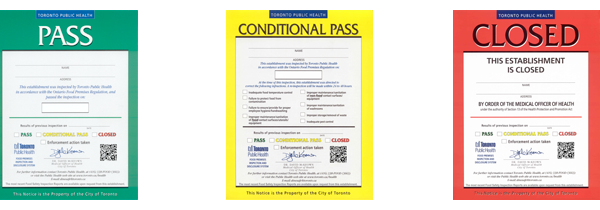
In Toronto, pest control isn't just about sanitation; it's about legal compliance. The DineSafe program is the Toronto Publc Health’s rigorous inspection framework. Under Ontario’s Food Premises Regulation (O. Reg. 493/17), a single sighting can lead to:
Conditional Pass (Yellow): Immediate pressure to remediate within 24–48 hours.
Closed (Red): If a "gross unsanitary condition" (like an active rodent infestation) is found, the city will shut the doors immediately.
DineSafe ratings - Green (Pass), Yellow (Conditional Pass), and Red (Closed)
3. Toronto-Specific Pest Challenges
The Laneway Conflict: Many downtown Toronto restaurants share narrow alleys with residential garbage bins. This creates a "pest corridor" where even the cleanest kitchen can be invaded by a neighbour's overflow.
Heritage Hardware: Older buildings in areas like Kensington Market or the Distillery District have porous foundations and "settled" door frames, making exclusion (sealing entry points) a complex structural task.
The 2026 Rat Response Plan: The City of Toronto has recently shifted toward a more integrated approach, requiring "rat management plans" for nearby construction. Restaurants near the Ontario Line or Eglinton Crosstown construction sites face significantly higher rodent pressure due to ground vibration.
The Various Ways that Pests impact the Restaurant Industry
1. Direct Impact on Revenue
A pest problem hits the bottom line through both immediate costs and long-term loss of income.
Customer Attrition: 2014 Research indicates that 81% of diners will never return if they see a pest on their plate, and 76% will never return if they see multiple pests anywhere in the establishment. We expect these percentages to be higher in 2026 as expectations of dining establishments have increased.
Inventory Loss: Pests like rodents and cockroaches contaminate dry goods and fresh produce. Once signs of gnawing or droppings are found, the entire batch must be discarded to prevent foodborne illness leading to wasted food costs.
Forced Closures: "One cockroach = instant shutdown" is a common reality in many jurisdictions leading to zero revenue and tempoary laid-off staff during the closure period.
Structural & Equipment Damage: Rodents often gnaw through electrical wiring and HVAC components leading to expensive emergency repairs and potential fire hazards. These issues could temporarily close the restaurant or even long-term depending the complexity of the repairs required.
2. Brand and Reputational Damage
In the age of social media, a single pest sighting can go viral in minutes causing damage that is difficult and expensive to reverse.
The "Viral Nightmare":56% of diners are likely to post on social media or write a negative review after a pest sighting. A single negative review mentioning "rats" or "roaches" can deter up to 30 potential customers who see it online.
Erosion of Trust: Pests are a "silent saboteur" of the guest experience. Even if the food is excellent, a sighting plants a seed of doubt about what else is happening "behind the scenes" in the kitchen and cause distrust among the present patrons.
Marketing Devaluation: You may spend thousands on ads and branding but a public pest issue can render those investments useless and forcing you to spend even more on "reputation management" campaigns to win back community trust.
3. Operational and Staff Impact
The internal costs of an infestation often go overlooked but affect the restaurant's culture and efficiency.
Staff Morale: Employees do not want to work in an environment where they feel unsafe or have to constantly clean up pest messes. High staff turnover is common in restaurants with persistent pest issues.
Legal Liability: If a customer contracts a foodborne illness linked to pest contamination, the event could result a lawsuits and legal fees can bankrupt a small-to-medium-sized business.
Get Rid of Your Pests Today!
Do you have a pest problem in your kitchen that needs to be addressed? Whether you are a restaurant owner or manager, Guard More Pest Control will work on solving your pest problem. Contact us at 647-710-0481 or contact@guardmorepests.com today!
If you find our content useful, please add guardmorepests.com as a preferred source on Google.
Keep Your Home/Business Pest-Free Today
Do you have a pest problem that needs to be looked at right away? Contact Guard More Pest Control about your pests and we'll work on solving your pest problem within 24 hours.
.png)