Finding out you have bed bugs early can save you a massive amount of time, money, and stress. Because these pests are nocturnal and experts at hiding, the signs are often subtle before a full-blown infestation occurs.
Here is a guide to the early warning signs that you should look for:
1. Physical Signs on the Skin: Bed Bug Bite Marks
For many, the first red flag is waking up with unexplained itchy spots.
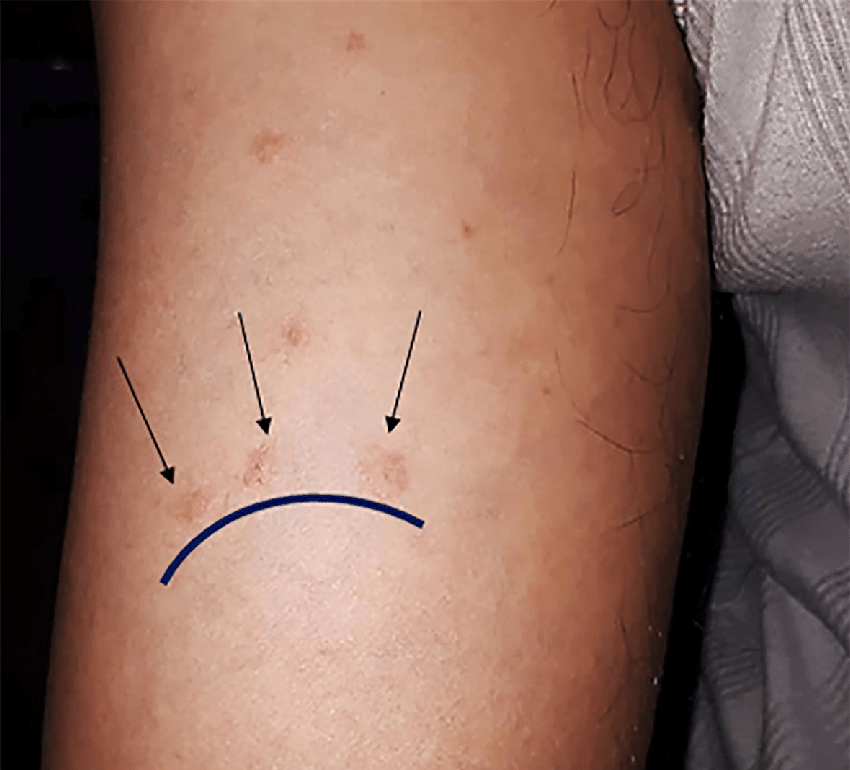
The "Breakfast, Lunch, and Dinner" Pattern: Bed bug bites often appear in small clusters or a straight line of three or four welts.
Bed bug bites - breakfast, lunch, dinner
Location: They typically bite skin that is exposed while you sleep such as arms, shoulders, neck, and face.
Delayed Reaction:It can take up to 14 days for some people to show a physical reaction to a bite while others may not react at all.
2. Bed Bug Evidence on Bedding and Linens
If you suspect an issue, your sheets act as a diary of their activity. Look for:
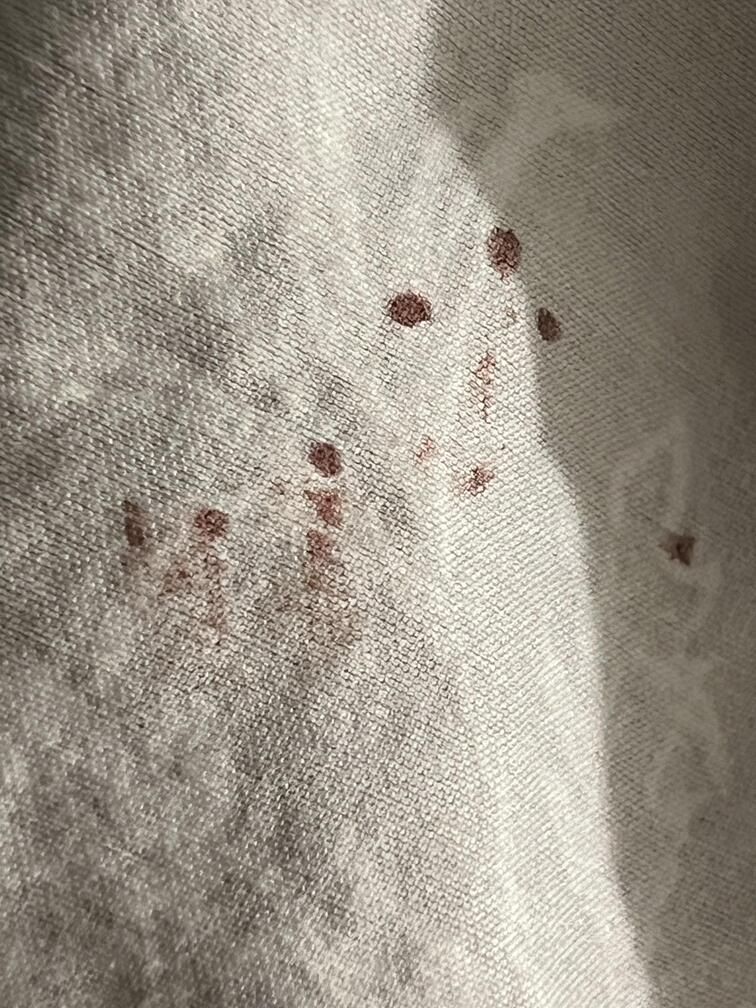
Blood Stains: Small unexplained rusty or red smears on your pillowcases or sheets. This usually happens if you accidentally crush a bed bug in your sleep after it has fed.
Blood stained bed sheet from bed bugs
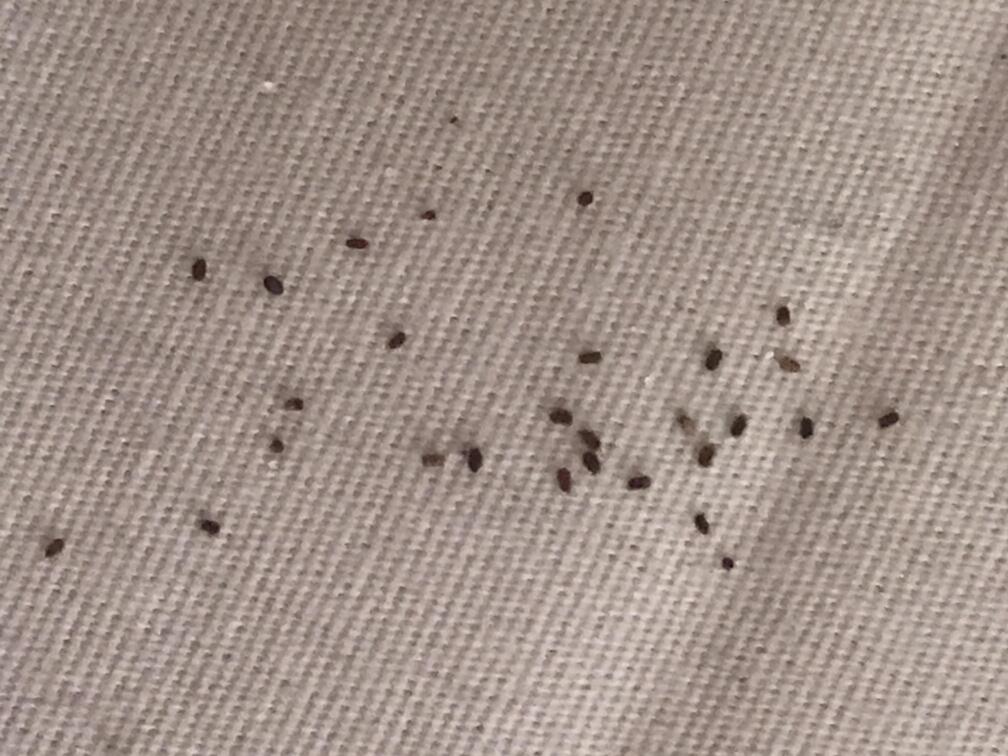
Fecal Spots: These look like tiny black dots (about the size of a marker tip) on the fabric. This is digested blood and will often smear if wiped with a damp cloth.
Bed bug droppings (poo)
3. Bed Bug Evidence in Hiding Spots
Bed bugs don't just live in mattresses; they hide in any crack or crevice near where people sleep. Check the seams of your mattress, headboards, and behind baseboards for:
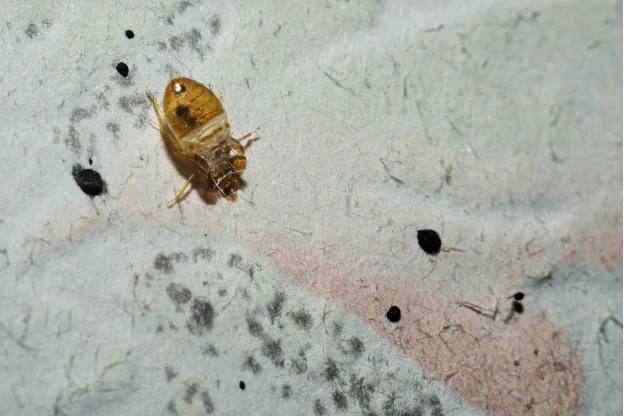
Exoskeletons (Cast Skins): As bed bugs grow, they shed their skins five times before reaching maturity. These "shells" are translucent, yellowish-brown, and look like empty insect husks.
Bed bug shell
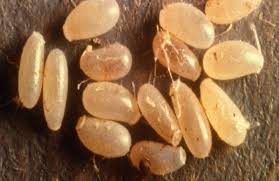
Eggs and Eggshells: These are tiny (about 1mm), white, and oval-shaped. They are often glued to surfaces in clusters within dark crevices.
Bed bug eggs
4. The "Musty" Odour of Bed Bugs
In the very early stages, you likely won't smell anything. However, as an infestation grows, bed bugs produce pheromones that have a distinct scent. It is often described as:
A "sweet" yet musty odour.
Similar to wet towels, coriander, or old mouldy shoes.
Where to Inspect First for Bed Bugs
If you’re doing a Do-It-Yourself sweep, focus your search on these high-traffic areas:
Mattress Seams: Especially around the piping and tags.
The Box Spring: Check the underside where the dust cover (thin fabric) meets the wood frame.
Headboards: Look behind the board and in any screw holes.
Nearby Furniture: Nightstands, upholstered chairs, and even electrical outlets.
Bed Frame: Check all the bed frame joints. Bed bugs like to hide in the cracks and crevices.
Pro Tip: Use a flashlight and a stiff plastic card (like an old credit card) to swipe through narrow cracks to dislodge any hidden bugs or eggs.
If you find our content useful, please add guardmorepests.com as a preferred source on Google.
Keep Your Home/Business Pest-Free Today
Do you have a pest problem that needs to be looked at right away? Contact Guard More Pest Control about your pests and we'll work on solving your pest problem within 24 hours.
.png)