The 4 Levels of Pest Infestations

By understanding the "level" of an infestation is the difference between a quick one-day fix and a months-long battle for your property's structural integrity.

In the pest control industry, we generally categorize pest activity into four distinct levels. Here a guide on how to identify and rate where your home or business stands on infestation levels.

Level 1: Occasional Invaders (The "Scout" Phase)

At this stage, you see a single pest lingering or running across public places. For example, one spider in the bathtub, a lone ant on the counter, or a single fly in your kitchen. These are often "scouts" or accidental travelers that wandered in through an open door or a gap in a window screen.

  • Signs: Rare sightings usually near entry points.
  • Action: Do-It-Yourself (DIY) - Seal the entry point, clean up the attractant (like a honey spill), and monitor for additional pests.

Level 2: Established Activity (The "Resident" Phase)

The pests aren't just passing through but instead they have found a reason to stay. You might see two or three ants daily in the same spot or find a small cluster of fruit flies around your sink drain.
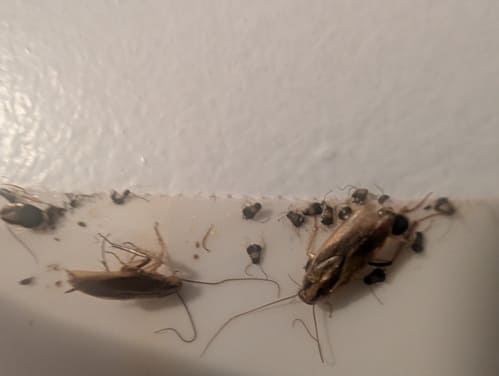
  • Signs: Pests appear in the same location consistently. You might find "early" evidence like a few droppings in a cabinet or a small smear mark on a baseboard.
  • Action: Targeted Do-It-Yourself (DIY) - Use specialized baits or traps. If the problem doesn't resolve in 7–10 days move to Level 3 thinking.

Level 3: Confirmed Infestation (The "Nesting" Phase)

This is the tipping point. The pests have established a colony or nest inside your walls, attic, or crawl space. At this level, the pests are breeding faster than you can kill the ones you see.
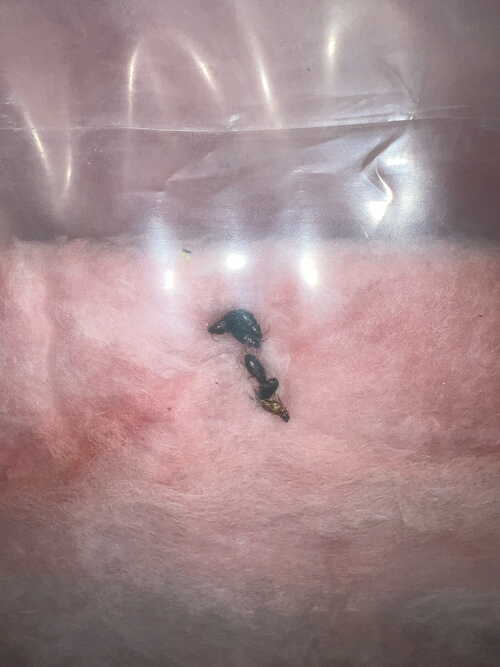
  • Signs:
    • Seeing pests during the daytime (especially nocturnal ones like cockroaches or mice).
    • Finding nesting materials (shredded paper, fabric, or insulation).
    • Audible sounds like scratching or scurrying in the walls and/or floorboards at night.
    • Persistent odors (musty, oily, or ammonia-like smells).
  • Action: Call a professional. DIY methods at this stage usually only kill the "surplus" population leaving the breeding core untouched.

Level 4: Chronic or Severe Infestation (The "Emergency" Phase)

The population is so large that it is causing visible damage or health risks. The ecosystem of the home has been compromised.

  • Signs:
    • Structural damage: Chewed wires, hollow-sounding wood, or holes in drywall potentially causing fires.
    • Health impacts: New respiratory issues, unexplained bites, or skin rashes.
    • Widespread evidence: Droppings seen in multiple rooms of the home.
  • Action: Immediate professional intervention. This often requires heavy-duty equipment and specialized treatments (like a chemical treatment or localized injections) that aren't available to the public.

When You MUST Call a Pest Control Professional

While Level 1 and 2 can often be handled with a trip to the hardware store, there are "Red Line" scenarios where you should skip the DIY phase entirely:

Scenario Why You Need a Pro
Wood-Destroying Pests Termites and Carpenter Ants can cause thousands in structural damage before you even see them.
Bed Bugs They are notoriously resistant to over-the-counter sprays and hide in microscopic cracks.
Nocturnal Sightings If you see a cockroach or mouse in the light of day, it usually means the "hiding spots" are already full.
Recurring Issues If the pests disappear for a week and then return, your DIY fix didn't hit the nest.
Electrical Concerns If you see gnaw marks on wires, this is a fire hazard that requires professional trapping and exclusion.

The "Rule of Three"

A good rule of thumb for homeowners is the Rule of Three: If you have used three different DIY products or it has been three weeks and the pests are still there, your "savings" are now being eaten up by the cost of the escalating infestation.

Get Rid of Your Pests Today!

Do you have a pest problem that needs to be looked at right away? Contact Guard More Pest Control about your pests and we'll work on solving your pest problem within 24 hours.