.png)

Condo & Apartment Pest Control in Toronto
Pest Management Profiles is a series dedicated to exploring the intersection of the Greater Toronto Area's unique urban landscape and pest challenges.
Last updated:
September 17, 2026

Pest Management Profiles is a series dedicated to exploring the intersection of the Greater Toronto Area's unique urban landscape and pest challenges.
Pest control in a condo or apartment is different from pest control in a detached house.
In a multi-unit building, walls, ceilings, plumbing, utility penetrations, hallways and other shared building systems can create pathways between units. That means the pest seen inside one apartment may not necessarily have originated there.
Guard More Pest Control provides professional condo and apartment pest control across Toronto and the Greater Toronto Area for residents, condo owners, landlords and property managers.
Common pests we treat in multi-unit residential buildings include:
Successful treatment starts by identifying what pest is present, where activity is occurring and whether the problem appears isolated to one unit or potentially connected to the wider building.
A detached house has a relatively defined building envelope.
A high-rise or apartment building can contain dozens or hundreds of interconnected homes.
Pests may potentially move through or around:
This changes the way pest problems need to be investigated.
If cockroaches repeatedly enter a unit through gaps around shared plumbing, treating visible insects without considering those pathways may not resolve the underlying problem.
Likewise, mouse activity inside an apartment can sometimes originate from building-level access before rodents move through structural voids.
The unit where a pest is discovered isn't always the source of the pest problem.
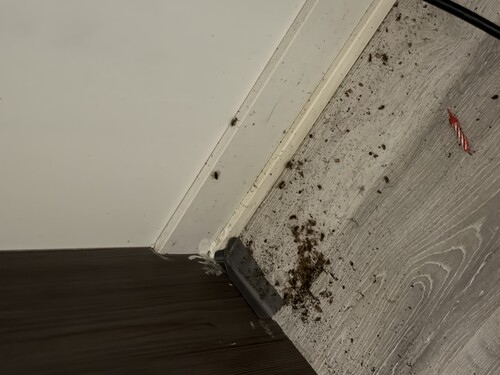
German cockroaches are one of the most important pests in multi-unit residential buildings.
They prefer areas providing food, moisture, warmth and harbourage, making kitchens and bathrooms particularly attractive.
Common areas include:
In apartment buildings, plumbing and utility penetrations can also provide potential movement routes between areas.
Professional cockroach control can include inspection, monitoring, gel bait, targeted residual treatment and insect growth regulators, depending on the property and activity found.
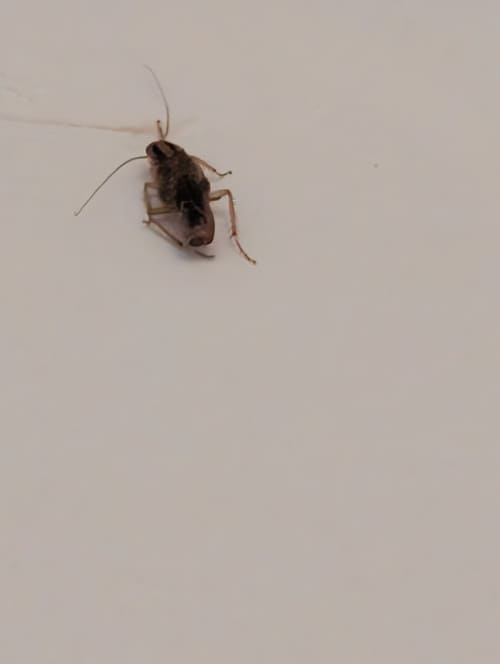
Bed bugs present a different problem.
They are commonly introduced into properties through the movement of people and belongings rather than because a home is dirty.
Potential introduction routes include:
Inside a home, bed bugs commonly harbour close to areas where people sleep or remain stationary for extended periods.
Look around:
In multi-unit buildings, the possibility of activity beyond one unit may also need to be considered depending on the circumstances.
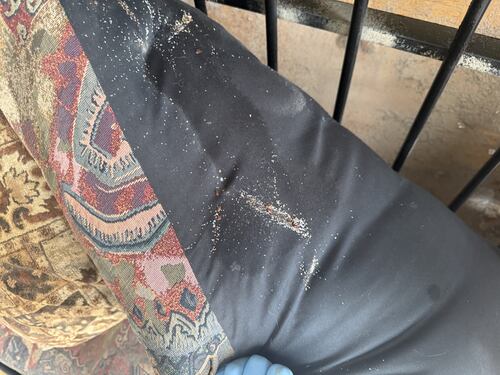
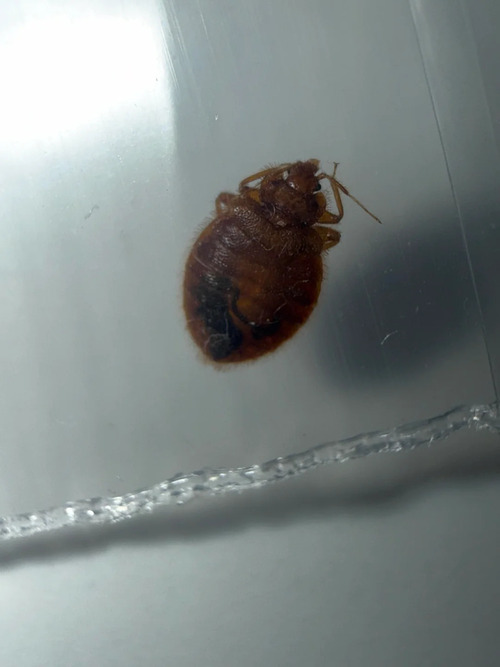
Mice aren't only a problem for houses.
They can enter apartment and condo buildings through areas such as ground-level structural openings, loading areas, garages and utility penetrations before using concealed parts of the building to move around.
Potential evidence includes:
For mice, the objective isn't simply to catch the animal that happened to enter your kitchen.
The wider question is:
How did it get there?
Professional rodent control can combine trapping or baiting with investigation of accessible entry points and structural pathways.
Pharaoh ants can be particularly difficult in multi-unit residential environments.
These very small ants can establish colonies inside heated buildings and move through structural areas while foraging between locations.
Correct identification matters because inappropriate treatment can make control more difficult.
Don't assume every tiny ant in an apartment should receive the same store-bought spray.
Guard More uses species-appropriate professional ant treatments based on the pest identified and property conditions.
Not every pest problem spreads from a neighbour.
But multi-unit buildings provide more potential connections between homes than detached houses.
Depending on the pest and building, movement can occur around:
Openings around pipes beneath sinks, behind toilets and around other plumbing can create structural pathways.
Shared walls contain concealed spaces that certain pests can exploit.
Openings created for cables, pipes and electrical services can connect otherwise separate areas.
Pests can sometimes be physically transported or move through common building areas.
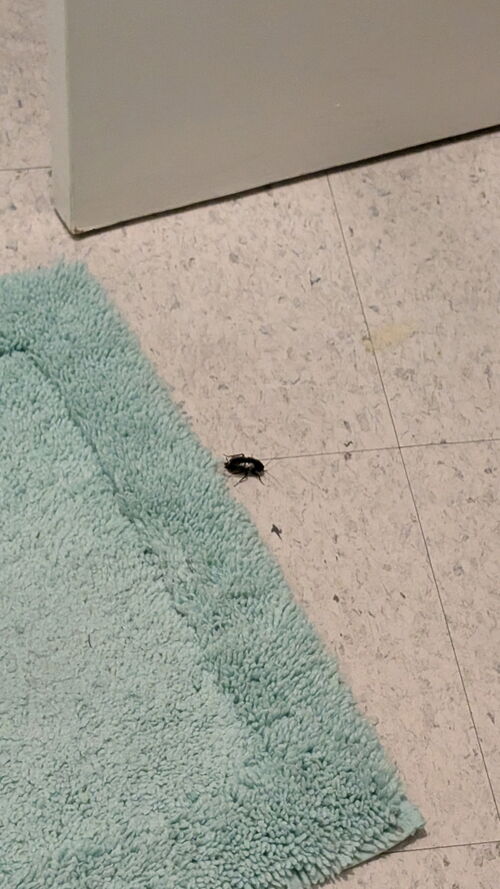
Garbage rooms and chute systems can provide food and harbourage for pests if waste and sanitation aren't properly managed.
Bed bugs in particular can be transported into a building or between locations in luggage, furniture and personal belongings.
The relevant pathway depends on the pest.
That's why identification comes before treatment.
It depends on the pest and evidence.
Some pest problems may genuinely be limited to a single unit.
Others may require inspection or treatment of adjacent units or other parts of the building.
Factors to consider include:
For example, if cockroach activity repeatedly returns despite appropriate treatment inside one unit, the possibility of activity elsewhere in the building becomes increasingly relevant.
The answer isn't automatically:
“Treat the whole building.”
Nor should it automatically be:
“Only treat the unit where somebody complained.”
The treatment scope should follow the evidence.
Responsibility can vary according to the property, tenancy arrangement, condominium responsibilities and source of the problem.
For tenants, pest issues should generally be reported to the landlord or property-management company promptly rather than allowing the problem to continue.
Condo owners should notify property management when pest activity may involve common areas, structural components or neighbouring units.
Property managers should document reports and look for patterns across the building rather than treating every complaint as completely unrelated.
For specific legal responsibilities, residents and property owners should refer to their lease/condominium documentation and current Ontario requirements rather than relying on a pest-control company for legal advice.
Take clear photographs where possible.
Record:
Using the wrong product can interfere with professional treatment and, for certain pests, make control more difficult.
Capture a specimen or photograph where practical.
If you're a tenant, notify your landlord/property manager.
If you're an owner and believe the problem may involve common areas or neighbouring units, notify condo management.
Correct identification determines what treatment makes sense.
A bed bug, German cockroach, carpet beetle and ant require completely different approaches.
If professional treatment is required, follow the preparation instructions for that specific pest.
Don't use generic preparation advice from another treatment.
Guard More's process depends on the pest, but generally follows five stages.
Determine what pest is causing the problem.
Look for activity, harbourage and relevant structural conditions.
Consider whether evidence appears isolated or may involve other areas of the building.
Apply pest-specific professional treatment.
This could include:
Assess treatment response and, where relevant, address accessible pathways or conditions contributing to activity.
Some multi-unit pest problems require coordination between the resident, pest-control professional and building management.
For property managers, the objective should be bigger than responding to individual complaints.
Repeated pest activity can reveal patterns.
A building-level pest-management programme can include:
If three apartments around the same plumbing stack repeatedly report cockroaches, treating each report as an unrelated event may miss useful information.
Good multi-unit pest management looks for patterns.
Toronto's housing stock creates a mixture of pest-control environments.
A modern downtown tower, older mid-rise apartment building and converted multi-unit house don't necessarily present the same challenges.
Potential issues can involve:
Older properties can contain more gaps around utilities and structural penetrations, particularly where buildings have undergone repeated renovations and repairs.
Renovation can disturb existing harbourage or expose previously concealed structural openings.
Furniture and belongings moving between properties can introduce pests such as bed bugs.
You can't control every condition in a multi-unit building from inside one apartment.
But residents can reduce several common risk factors.
Use sealed containers where appropriate and clean food residues promptly.
Avoid allowing food waste and garbage to accumulate inside the unit.
Report leaks and plumbing problems.
Carefully inspect second-hand furniture before bringing it into the home, particularly upholstered items.
Where permitted, gaps around utility penetrations and other openings may be suitable for sealing.
Coordinate with building management before modifying shared or regulated building components.
Pest problems are generally easier to investigate when building management knows where and when activity first appeared.
Cockroaches can potentially move through structural pathways such as gaps around plumbing and utilities. However, the source of activity should be investigated rather than automatically blamed on a neighbouring unit.
Bed bugs are commonly transported in belongings, luggage and furniture. In some multi-unit situations, movement between adjacent areas can also need to be considered.
Yes. Mice are capable climbers and can exploit concealed structural pathways after gaining access to a building.
Sometimes. Whether neighbouring units should be inspected depends on the pest, location, history and evidence found.
Minor pest activity may tempt residents to use retail products, but repeated cockroach activity can indicate concealed harbourage or activity elsewhere. Incorrect product use can also interfere with a professional baiting programme.
It depends entirely on the treatment. Some pesticide applications have specific re-entry requirements, while monitoring, baiting or trapping can have different requirements. Follow the instructions provided for your specific service.
If you're renting, pest activity should be reported to your landlord/property manager. Condo owners should consider notifying management where the issue may involve common areas, building structure or other units.
If you've found cockroaches, bed bugs, mice, ants or another pest inside your condo or apartment, the first job is determining what the pest is and where the activity may be coming from.
Guard More Pest Control works with condo residents, tenants, owners, landlords and property managers throughout Toronto and the Greater Toronto Area.
Tell us what you've found. Photos or videos can help our team understand the problem before attending the property.
Do you have a pest problem that needs to be looked at right away? Contact Guard More Pest Control about your pests and we'll work on solving your pest problem within 24 hours.