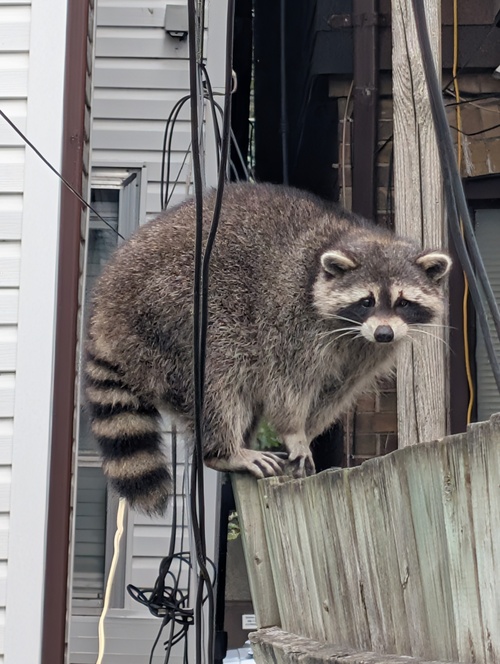
Whether you've spotted raccoons near your property or are simply curious, it's important to know what foods are harmful or even deadly to these animals. Intentionally or accidentally leaving dangerous food out can cause real suffering and may also be illegal under local wildlife protection laws.
Grapes & raisins: Even small amounts can cause acute kidney failure in raccoons. These should never be left anywhere a raccoon could access.
Chocolate & caffeine: Theobromine in chocolate and caffeine in coffee or tea are toxic to raccoons, causing seizures, heart arrhythmia, and in high doses, death.
Onions & garlic: Both contain compounds that destroy red blood cells in raccoons, leading to anemia and serious internal damage over time.
Macadamia nuts: These cause weakness, vomiting, tremors, and fever in raccoons. Even a small quantity can produce visible symptoms within hours.
Alcohol: Raccoons have no tolerance for alcohol. Even trace amounts can cause rapid intoxication, respiratory failure, and death.
Xylitol (other names - birchbark extract, birch sugar, d-xylitol, xylite, 1,4-anhydro-d-xylitol, anhydroxylitol and xylitylglucoside): This artificial sweetener, found in sugar-free gum, candy, and baked goods, causes a dangerous drop in blood sugar and liver failure. You can find a list of brands and their product that contain Xylitol.
Salty or processed foods: Chips, pretzels, and processed snacks can cause sodium poisoning, dehydration, and kidney stress in raccoons.
Raw potatoes & tomato leaves: Both contain solanine, a natural toxin that irritates the digestive system and can cause serious illness in wildlife.
Mouldy or spoiled food: Raccoons may eat rotting food, but mould produces mycotoxins that can cause neurological damage and organ failure.
Sugary human foods (containing glucose syrup, cane sugar, and/or real white/brown sugar): Candy, syrup, and sweet baked goods are not toxic outright but cause metabolic issues and make raccoons dependent on human food sources.
Pet Food: Dog and cat food is bad because it contains more fats and proteins than the raccoon's natural omnivore diet leading to rapid weight gain, obesity, and long-term health issues like organ damage.
Never deliberately feed raccoons: Feeding raccoons is discouraged and illegal in many municipalities. It makes them bolder, more dependent on humans, and more likely to become a persistent problem on your property.
If you believe a raccoon on your property has consumed something toxic and is showing signs of distress such as tremors, disorientation, or laboured breathing. Contact a licensed wildlife rehabilitator or animal control immediately. DO NOT attempt to handle the animal yourself.
If you find our content useful, please add guardmorepests.com as a preferred source on Google.
Keep Your Home/Business Pest-Free Today
Do you have a pest problem that needs to be looked at right away? Contact Guard More Pest Control about your pests and we'll work on solving your pest problem within 24 hours.
.png)