.png)

Tick Control in Ontario: What a New Canadian Medical Association Journal Case Report Means for Your Yard (and How to Get Rid of Ticks)
Last updated:
July 14, 2026

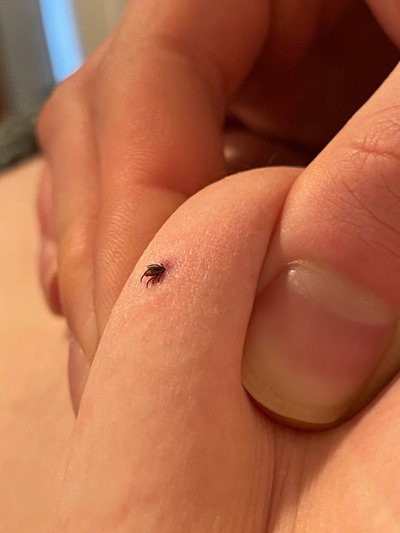
If you live in Ontario and spend time outdoors, tick control is no longer just about Lyme disease. A case report published July 13, 2026 in the Canadian Medical Association Journal (CMAJ) is urging doctors across eastern Canada to watch for anaplasmosis. Anaplasmosis a lesser-known illness spread by the blacklegged tick whom also causes Lyme. For homeowners in the Greater Toronto Area as well as rural Ontario, it’s a timely reminder that keeping ticks off your property and off your body matters more than ever.
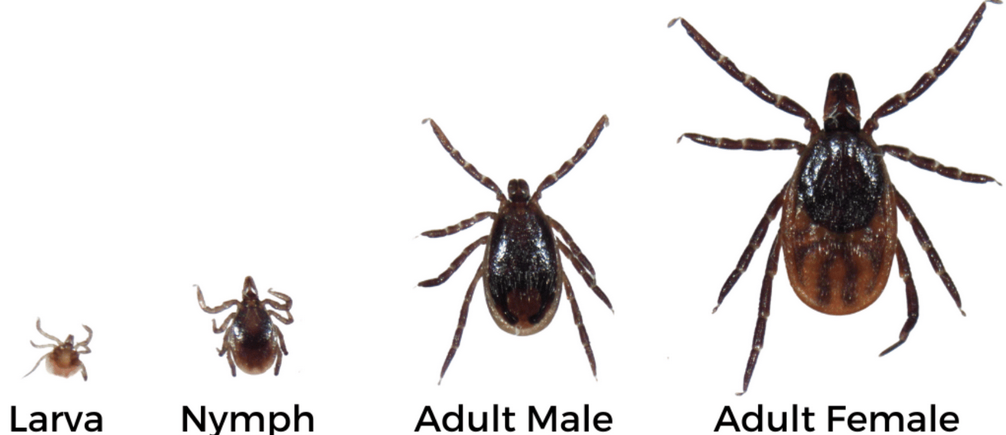
We will start with what the new research found, why professional and Do-It-Yourself tick control both play a role, and the exact steps to remove ticks safely.
The paper, “Tick-borne anaplasmosis and myocarditis in eastern Ontario” (CMAJ, July 2026), was led by Dr. Michael Quon and assisted by colleagues from the University of Ottawa and the University of Ottawa Heart Institute. Dr Quon is an internal medicine specialist at The Ottawa Hospital.
The report describes a 79-year-old man living in rural part of eastern Ontario who often spent time in the woods. Last summer he developed a fever, chills and generalized weakness that caused him to fall over. In the hospital, it was determined that he had a low blood cell count developing into a shortness of breath, mild kidney injury, and myocarditis (inflammation of the heart muscle). Notably, the patient didn’t remember being bitten by a tick.
Doctors started him on the antibiotic called doxycycline before lab results confirmed the diagnosis. Doxyccline is the first-line treatment for both Lyme disease and anaplasmosis. He improved quickly and made a full recovery. According to Dr. Quon, myocarditis from anaplasmosis is so rare that it had only been reported in the medical literature only once before.
The takeaway from the paper is that clinicians should consider anaplasmosis early and not wait for a lab result to begin treatment because the risk of the illness progressing is significant.
Anaplasmosis is caused by the bacterium Anaplasma phagocytophilum and is carried by the blacklegged tick (also called the deer tick). The prevalence of these ticks has been climbing from Manitoba eastward with Ontario, Quebec and Nova Scotia seeing the biggest tick activity increases.
The numbers tell the story:
One helpful clue for distinguishing the two: Lyme disease often begins with an expanding “bull’s-eye” rash, while anaplasmosis usually presents as a flu-like illness without a rash, frequently with a low blood cell count. People can also be infected with both at once.

Important: This article is general information, not medical advice. If you develop an unexplained fever, flu-like symptoms, or feel unwell after possible tick exposure, please see a doctor promptly and mention that you spend time outdoors in a tick-endemic area.
Ticks don’t live on your lawn by accident. Ticks need moisture, shade, and hosts. Understanding where they thrive is the foundation of effective tick control on any Ontario property.
Blacklegged ticks concentrate in:
A licensed pest control provider approaches ticks through integrated pest management (IPM) rather than a single spray. The process typically includes:
A realistic expectation: professional treatment can significantly knock down the tick population in the treated zones of your yard, but no treatment makes a property 100% tick-free, and it doesn’t replace personal precautions like tick checks. Think of professional treatment as one strong layer in a multi-layer defence but it is most effective when combined with the DIY habits below.
Plenty of tick control is squarely in the DIY zone. Here’s what actually works, we've split the DIY methods into yard tactics and personal protection.
The Public Health Agency of Canada and the doctors quoted in the CMAJ coverage recommend:
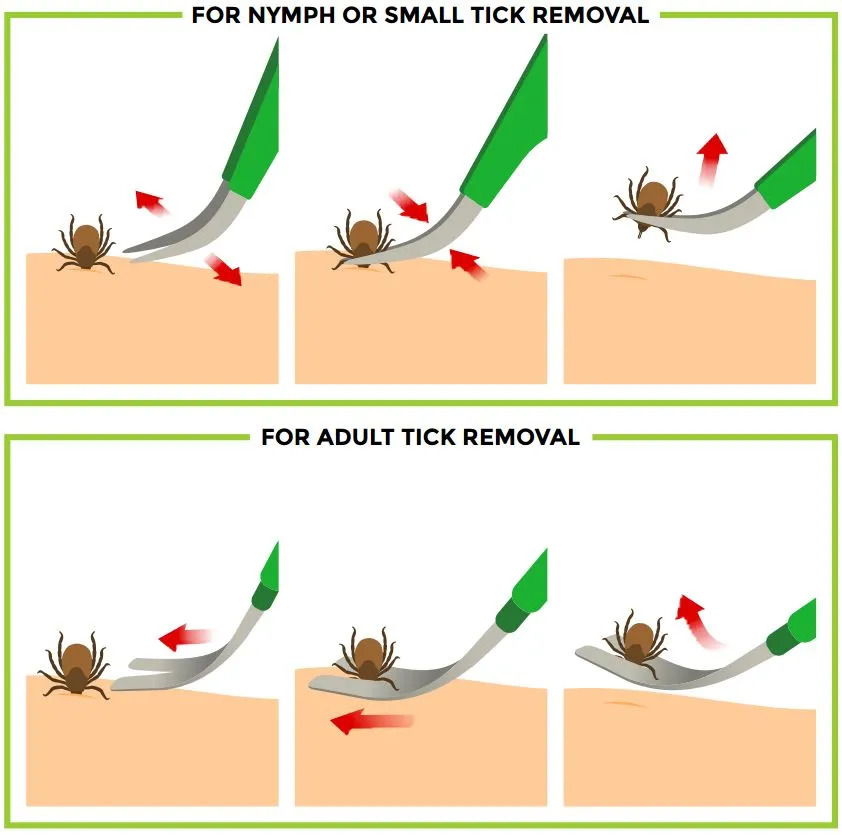
Skip the folk remedies, they can actually raise your risk by making the tick regurgitate into the wound:
The new CMAJ case report is a clear signal that tick-borne illness in Ontario is growing and diversifying beyond Lyme disease. The good news is that anaplasmosis is highly treatable when caught early. The ticks that spread it are very manageable with the right mix of prevention.
For most Ontario households, the strongest protection is a combination of the three: a tick-aware yard, daily personal checks, and professional treatment of your property’s high-risk zones during tick season.
Do you have a pest problem that needs to be looked at right away? Contact Guard More Pest Control about your pests and we'll work on solving your pest problem within 24 hours.