.png)


Guide to Squirrels
Squirrels are among the most recognizable and resilient members of our local ecosystems, often bridging the gap between the wild and the suburban backyard. While their acrobatic antics and clever problem-solving skills make them a delight to observe from a distance, these are industrious rodents are masters of adaptation capable of thriving in almost any environment. Understanding the nuances of their behaviour is the first step in appreciating their role in nature while effectively protecting your home or business from their more destructive tendencies.
This guide provides a balanced look at squirrel behaviour, the risks they may pose, and how you can maintain a peaceful distance.
Understanding Squirrel Behaviours
Squirrels are remarkably intelligent and highly adaptable. Most of their "frantic" behaviour is actually a calculated survival strategy known as scatter-hoarding. Instead of keeping all their food in one place, they bury thousands of nuts across a wide area to ensure a steady food supply throughout the winter. A study done at the University of Richmond cites that squirrels fail to recover up to 74% of the nuts they bury.
- Communication: They use their bushy tails like signaling flags to warn others of predators.
- Activity: Most squirrels are diurnal meaning they are active during the day and sleep at night (unlike many other common pests like mice or raccoons).
Do Squirrels Hibernate?
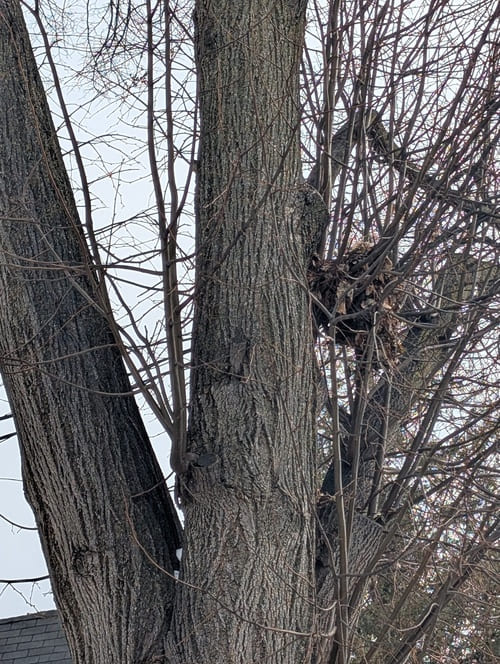
A common misconception is that squirrels sleep through the winter. In reality, tree squirrels do not hibernate. While they may stay in their nests (called "dreys") during extreme cold snaps, they remain active all year long, relying on their buried food stores to survive. If you hear scratching in your attic in the middle of January, a squirrel is a very likely candidate.
Can Squirrels Bite Humans?
Squirrels are not aggressive creatures and will choose flight over fight every time. However, they can and will bite if they feel cornered, threatened, or if they are being hand-fed. Because squirrels have powerful incisors designed to crack hard nuts, a bite can be surprisingly deep. It is always best to observe these animals from a distance and avoid offering food by hand which can cause them to lose their natural fear of humans.
Potential Squirrel Related Health Risks
While squirrels are not primary carriers of rabies, they can transmit other diseases and parasites to humans and pets, including:
- Salmonellosis: Transmitted through contact with squirrel droppings or urine.
- Leptospirosis: A bacterial infection that can be spread via contaminated water or soil.
- Parasites: Squirrels often carry ticks, fleas, and mites, which can migrate into your home and onto your pets.
Why Squirrels Can Be a Pest
The very traits that make squirrels successful in the wild make them destructive in a residential setting. Squirrel's teeth never stop growing and can grow up to 6 inches per year which creates a biological "need" to chew.
- Structural Damage: They can chew through wood siding, aluminum soffits, and plastic vent covers to enter your attic.
- Fire Hazards: Once inside, they frequently gnaw on electrical wiring, which is a leading cause of house fires.
- Garden Havoc: They are notorious for digging up bulbs and raiding bird feeders.
DIY Squirrel Prevention Tips
The best way to manage squirrels is to make your home less inviting. Prevention is significantly easier (and cheaper) than extraction
Pro Tip: If you suspect a squirrel has already moved into your attic, avoid sealing the hole immediately. You risk trapping the animal inside,
which can lead to further damage or a sanitation issue. Call a pest management professional to safely remove the squirrels and seal any entry points.
Do you have a squirrel problem in your residential or commercial property that needs to be addressed? Whether you are a owner, tenant, property manager, or landlord, Guard More Pest Control will work on solving your pest problem. Contact us at 647-710-0481 or contact@guardmorepests.com today!
Keep Your Home/Business Pest-Free Today
Do you have a pest problem that needs to be looked at right away? Contact Guard More Pest Control about your pests and we'll work on solving your pest problem within 24 hours.