.png)

Is it worth getting an exterminator for wasps?
Last updated:
July 14, 2026

Finding a wasp nest on your property is not something to take lightly. When Wasps are threatened, they become aggressive and sting. Unlike honey bees, their stinger do not detach in the target's skin so they can sting repeatedly. A single disturbed nest can send hundreds of workers into the air within seconds. Whether calling a pest professional is worth it depends on the size, location, and species of nest though for most homeowners, the answer is clearly yes.
The short answer: yes, especially for large or hard-to-reach nests. A small, newly started nest in an accessible outdoor location can sometimes be treated safely with a jet-spray insecticide at night. But nests inside wall voids, roof soffits, or the ground, or any nest larger than a softball, they should always be handled by a licensed pest professional. The risks of DIY treatment on an established colony are serious.
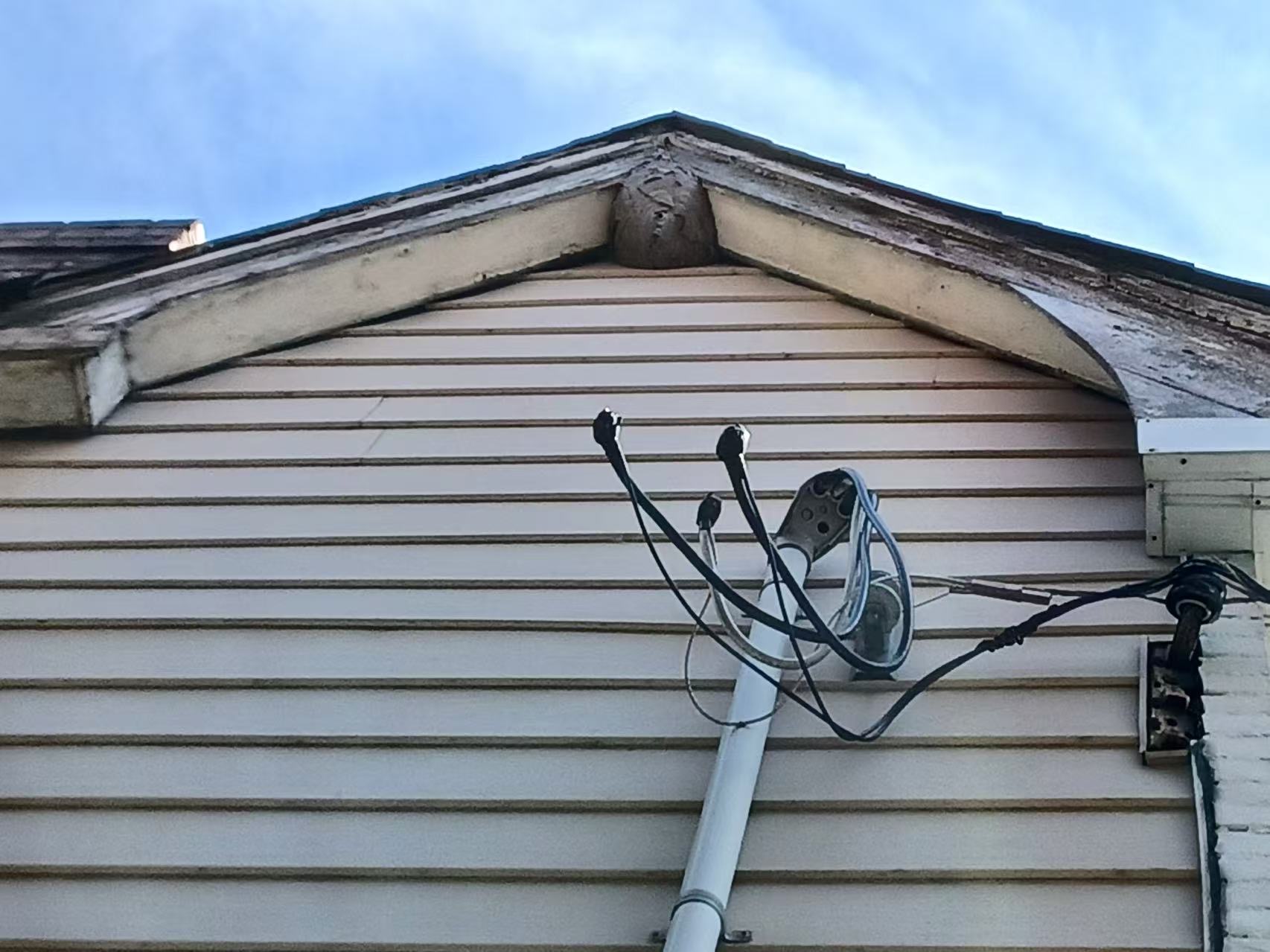
1. The nest is inside a wall, soffit, or roof structure: Nests inside enclosed spaces cannot be safely treated with consumer jet sprays. Spraying into a void without fully saturating the colony drives surviving wasps deeper into the structure pushing them to chew through drywall and emerge inside the living area. Professional void injection treatment is required.
2. The nest is in the ground: Ground nests (usually built by yellow jackets) are among the most dangerous to treat. The entrance is small and inconspicuous, colonies can hold thousands of workers, and any vibration near the nest triggers an immediate, aggressive defensive swarm. Accidental disturbance during gardening or mowing is a common cause of serious multiple stings.
3. The nest is larger than a softball: By late summer, an established wasp colony can hold 3,000 to 5,000 workers. A nest of this size should never be approached without full protective equipment and professional-grade insecticides. Colonies at this stage are also significantly more aggressive than they are in spring.
4. Anyone in your household has a known sting allergy: Wasp stings can trigger anaphylaxis in allergic individuals within minutes. If you or anyone in your home has a known or suspected allergy to stinging insects, do not attempt any DIY treatment. This is a situation where professional removal is not just recommended, it is essential.
5. Wasps are entering your home through a gap or vent: Wasps entering the living area through gaps around windows, doors, electrical outlets, or vents indicates a nest inside the building envelope. The entry point must be identified, the colony treated, and the opening sealed. A job that requires a professional inspection to do safely and permanently.
A licensed pest technician arrives with full protective equipment and begins by locating the nest and assessing the species and colony size. Wasp treatment typically involves:
A standard outdoor wasp nest removal typically costs $250 to $300. Nests inside wall voids, underground, or requiring structural access typically range from $400 to $500.
Queen wasps emerge in April and May to begin building new nests. A nest treated in spring (when its small with a queen and a couple workers) costs a fraction of what a late-summer treatment requires and poses far less risk. If you spot a small nest being built, do not wait.
Do you have a pest problem that needs to be looked at right away? Contact Guard More Pest Control about your pests and we'll work on solving your pest problem within 24 hours.