.png)

Is it worth hiring a wildlife pest management professional for raccoons?
Last updated:
June 11, 2026

Raccoons are intelligent, persistent, and surprisingly strong. Once they find a way onto your property or into your home, they are difficult to discourage without the right approach. A wildlife pest management professional brings the expertise, equipment, and legal knowledge to remove raccoons safely and prevent them from returning which is something most homeowners find genuinely difficult to achieve on their own.
The short answer: yes, for anything beyond their occasional yard visits. A raccoon passing through your yard at night is not usually a problem that requires professional intervention. Though if raccoons are returning regularly, have found a way into your attic/garage/crawl space, or if there is a litter of kits (baby raccoons) involved, a licensed wildlife management professional is strongly recommended.
Raccoons present challenges that most standard pest control does not cover:
1. You can hear movement in your attic or walls: Around dawn or dusk, you may hear thumping, scratching, or vocalization from inside the attic. This is a strong indicator that a raccoon has established a den. Attic infestations almost always involve a female and a litter in spring and early summer. Sealing without professional inspection first can trap the young inside without food leading to dead raccoon(s). A dead raccoon leads to secondary pest infestations such as ants, flies, and cockroaches.
2. You have found a point of entry in your roof or soffit: Torn soffit material, damaged fascia board, displaced roof vents, or holes in the roofline are clear signs of raccoon entry. These enlarged openings will continue to be used until they are properly sealed with appropriate materials. Wood, foam, and mesh material that is not heavy-gauge steel will be chewed or pulled apart.
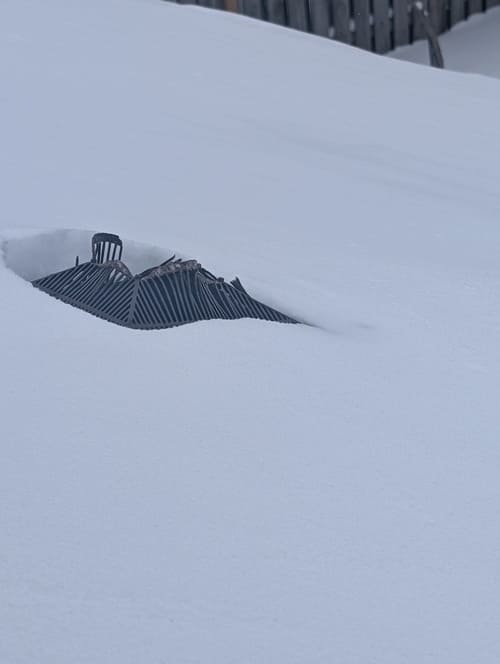
3. Raccoons are returning to the same spot every night: A raccoon that returns to the same location repeatedly has identified a reliable food or shelter source on your property. Casual deterrents are unlikely to work at this stage. A professional can assess what is drawing them back and implement a targeted removal and exclusion plan.
4. You have found raccoon droppings in or around your home: Raccoon use decks, attics, and base of trees as communal defecation sites. Raccoon feces contain Baylisascaris procyonis (raccoon roundworms) eggs, which are infectious to humans and animals and can survive in soil for years. Never disturb droppings without proper protective equipment. Professional sanitization is strongly recommended.
5. A raccoon appears sick, disoriented, or is active during the day: Raccoons active in daylight, moving erratically, or showing no fear of humans may be infected with rabies or distemper. DO NOT approach the animal. Keep everyone away and contact a licensed wildlife professional or animal control immediately.
A licensed technician carries out a thorough inspection of the exterior and interior of the home, identifying all actual and potential entry points, signs of nesting, and evidence of a litter. The raccoon removal process typically involves:
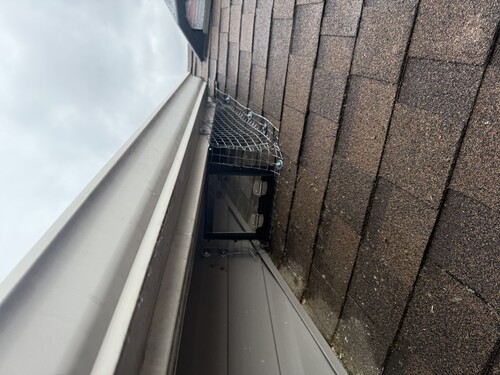
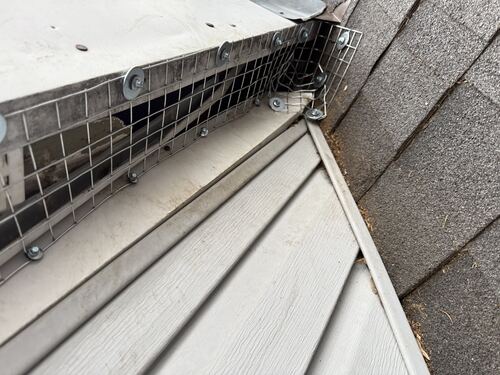
A standard raccoon inspection is $200 but this amount goes to the final total for extra services (removal and exclusions) that would be required. Raccoon removal for baby raccoons is charged on a per raccoon basis ranging between $150-200 based on their age and complexity of removal. Exclusion service typically costs $300+ based on complexity of exclusions required and number of entry points that require covering. Attic cleanouts including insulation removal and sanitization are quoted separately and vary by the extent of contamination. This service is typically $1,500 or more for significant infestations.
Do you have a pest problem that needs to be looked at right away? Contact Guard More Pest Control about your pests and we'll work on solving your pest problem within 24 hours.