.png)

Is it worth getting an exterminator for rodents?
Last updated:
June 10, 2026

Finding a mouse or rat in your home is never just a cosmetic problem. Rodents contaminate food, chew electrical wiring, cause structural damage, and carry diseases. Whether professional help is worth it depends on the scale of the rodent infestation but in most cases, a licensed exterminator will resolve the problem faster, more safely, and more permanently than DIY methods alone.
The short answer: yes, for most rodent infestations. A single mouse caught in a snap trap may not need professional intervention but if traps are not reducing activity (scurrying in the walls and/or sight of droppings in multiple areas), a professional exterminator is strongly recommended.
Property owners underestimate how quickly a rodent problem escalates. One should consider the following:
1. You are hearing scratching or movement inside walls: Usually at night, there will be sounds inside walls, ceilings, or under floors which 3indicate rodents have established nests inside the structure of your home. This cannot be resolved with surface traps alone and requires professional access and void treatment.
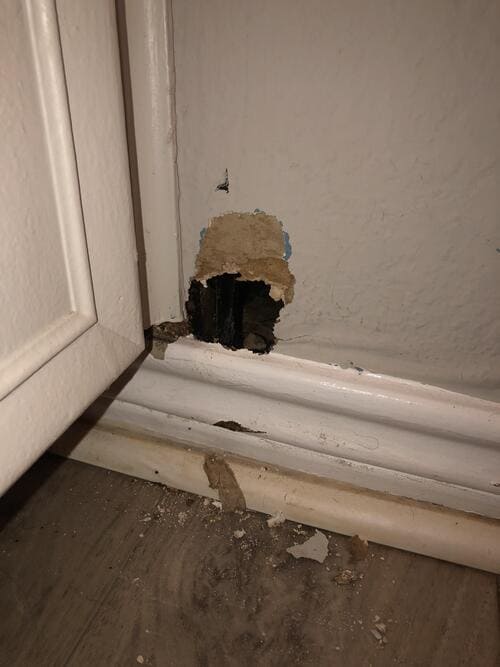
2. Traps have been set for more than two weeks without reducing activity: If you are consistently catching rodents but activity is not decreasing, the entry points allowing new rodents to enter have not been identified and sealed. A professional inspection and exclusion service is needed to stop the cycle.
3. You have found droppings in multiple rooms or areas: Widespread droppings indicate a large or well-established infestation. At this scale, trapping alone is unlikely to be sufficient and based on the extent of contamination, you may require professional sanitization in addition to removal.
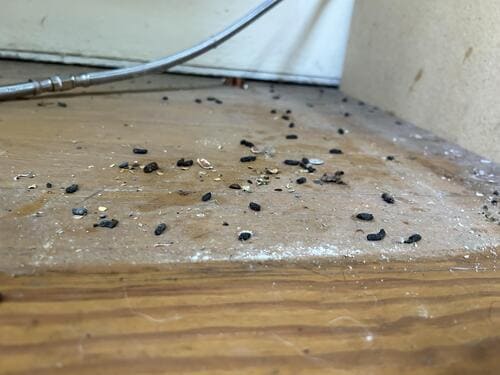
4. You can smell a musty or ammonia-like odour A strong, persistent odour within kitchen cabinets, under sinks, or near the attic hatch means heavy urine soiling and a large population. Nesting material soaked in urine is a serious health hazard and requires professional cleanup.
5. You have found chewed wiring, pipes, or structural wood: Gnaw damage on electrical cables is a serious fire risk. Chewed water pipes can cause concealed leaks. If you have found structural damage, the infestation has likely been present for some time. We advise you call a pest professional for removal and electrician or plumber for an assessment/fix.
A licensed pest technician will carry out a full interior and exterior inspection to identify active entry points, nesting sites, and travel routes. Treatment typically includes:
A standard rodent treatment including inspection and installing bait stations typically costs $300 to $350. Exterior rodent exclusion work may add $200+ depending on the size of the home and the number of points requiring attention. Attic cleanouts for heavily soiled insulation are quoted separately and vary by scope.
Do you have a pest problem that needs to be looked at right away? Contact Guard More Pest Control about your pests and we'll work on solving your pest problem within 24 hours.