.png)

DIY Natural Pest Insecticides and Repellents You Can Make at Home
Natural low-cost pest control recipes using everyday ingredients.
Last updated:
July 15, 2026

Natural low-cost pest control recipes using everyday ingredients.
The idea of making your own pest control supplies from pantry staples is genuinely appealing. Many household ingredients have real insect-deterring properties that have been used for generations. Cinnamon disrupts ant pheromone trails. The capsaicin in cayenne pepper irritates insect sensory receptors. Diatomaceous Earth physically damages the exoskeletons of crawling insects. These DIY methods have been passed down because they work.
Natural insecticides work best as a first line of defence against small, early-stage pest problems, or as a way to deter pests from areas where they haven’t yet established. They are generally not strong enough to collapse an established pest infestation. The recipes below include an honest note on each one’s limitations alongside the instructions.
Ants navigate by pheromone trails which are invisible chemical roads they lay down to guide other workers toward food and back to the nest. Several common household ingredients interrupt these trails effectively, either by masking the pheromone scent, physically blocking the path, or acting as a slow-acting bait that workers carry back to the colony.
Works on: Ants · Silverfish
How does it work? Cinnamon contains Cinnamaldehyde which is a strong natural compound that interferes with the insect's chemical navigation.
You will need these supplies:
How to make it:
1. Combine water and cinnamon in the spray bottle.
2. Add dish soap if using, then shake well.
3. Spray directly along ant trails, entry points, windowsills, and door frames.
4. Reapply every two to three days, or after cleaning surfaces.
Note: Ground cinnamon will settle quickly and don't forget to shake well before every use. Cinnamon essential oil is more potent and longer-lasting than ground powder. This spray works best as a repellent along entry points but does not work on killing colonies.
Works on: Ants · Spiders · Mice (deterrent)
How does it work? The oils scramble the insects' sensory receptors and dissolving the protective waxy layers of their exoskeletons. For rodents, the oils overwhelm their sense of smell.
You will need these supplies:
How to make it:
1. Combine all ingredients in a spray bottle.
2. Shake well before each use.
3. Spray along baseboards, under sinks, around windows, and at any known entry points.
4. Reapply every three to five days.
Note: This spray repels rather than kills so consistent application is key.
Cockroaches are among the most resilient insects on earth, which is why natural remedies tend to work better as a deterrent for small populations than as a solution to an established infestation. The most effective natural approaches for roaches use either boric acid (which damages their digestive systems) or diatomaceous earth (which destroys their exoskeletons). Both DIY methods require patience because they are slow-acting by design.
Works on: Cockroaches · Ants · Silverfish · Bed bugs (surface deterrent)
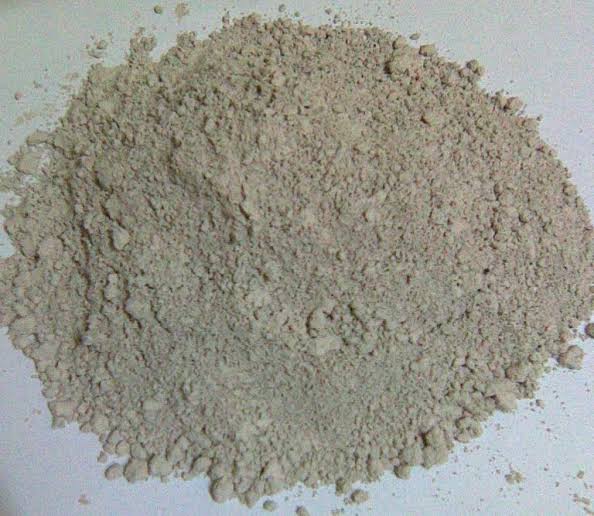
How does it work? Distomaceous Earth is white powdery textured natural substance composed of fossilized microscopic algae called diatoms. The Diatomaceous Earth acts as a barrier which these insects have to walk around. If the bugs walk through the powder, DE scratches their waxy exoskeletons causing the insect to dehydrate and die.
You will need these supplies:
How to make it:
1. Apply a very thin, barely visible layer of DE along baseboards, under appliances, inside cabinet hinges, and around pipe penetrations.
2. Focus on dark, narrow spaces where roaches travel and hide.
3. Leave undisturbed — DE loses effectiveness if it gets wet.
4. Reapply after any mopping or if the treated area gets damp.
Note: Less is more with DE — a thin layer invisible to the eye works better than a heavy dusting, which roaches will simply walk around. Always use food-grade Diatomaceous Earth, not the pool-filter variety. Avoid inhaling the powder during application; a simple dust mask is advisable.
Works on: Cockroaches
How does it work? The cockroaches do not like the aroma from bay leafs and certain essential oils. Note: This repellent should be used as a temporary deterrent because it is not strong enough to remove an infestation.
You will need these supplies:
How to make it:
1. Place whole dried bay leaves inside cabinets, drawers, and pantry shelves. Roaches dislike the smell and will avoid areas where bay leaves are present.
2. For a spray version, combine water and essential oils in a spray bottle, shake well, and apply to cabinet interiors, under the sink, and along known roach pathways.
3. Replace dried bay leaves every four to six weeks as the scent fades.
Note: This works best as a preventative measure in kitchen cabinets and pantry areas rather than as a treatment for an active infestation.
Mosquitoes find their targets primarily through smell — the carbon dioxide we exhale, the lactic acid in sweat, and certain body chemistry signals all guide them toward us. Natural mosquito repellents work by masking these signals with stronger competing scents. Most natural repellents need to be reapplied more frequently than synthetic ones, but several plant-derived compounds have been found to be genuinely effective.
Works on: Mosquitoes · Ticks · Midges
How does it work? Lemon eucalyptus essential oil contain Para-menthane-3,8-diol (PMD). PMD disrupts an insect's tracking mechanism and drives them away from treated areas. The effects are similar to DEET. A 2026 study published February 5 came to the conclusion that an essential oil-based fabric spray formulation works well to repel ticks on exposed skin.
You will need these supplies:
How to make it:
1. Combine all ingredients in the glass spray bottle.
2. Shake well before each use.
3. Apply to exposed skin and clothing before going outdoors.
4. Reapply every one to two hours.
Note: Lemon eucalyptus oil (not the same as eucalyptus oil) is one of the few plant-based repellents recommended by the CDC as an effective mosquito deterrent. Do not use on children under three years of age. Witch hazel is preferred over water as a base because it helps the oils bind to skin.
Works on: Mosquitoes · Flies · Gnats
How does it work? The aromas overwhelm the olfactory receptors that mosquitoes, flies, and gnats use to track body heat and carbon dioxide so they can't land anywhere that is covered by the aroma.
You will need these supplies:
How to make it:
1. Combine all ingredients in the glass spray bottle.
2. Shake thoroughly before each use.
3. Spray around outdoor seating areas, door frames, and window screens.
4. Avoid spraying directly on varnished wood furniture. Test on a small area first.
5. Reapply every two hours or after rain.
Note: This formula is intended for outdoor surfaces and the air around seating areas, not for direct skin application in these concentrations. For a skin-safe version, it is recommended to reduce essential oils to 10 drops total per cup of base liquid.
Flies are strongly attracted to sugars, fermentation, and organic waste. The most effective natural traps work with this attraction rather than against it by luring flies into a solution they cannot escape. For fruit flies specifically, the apple cider vinegar trap is one of the most reliably effective natural remedies available.
Works on: Fruit flies · Fungus gnats
How does it work? Flies like fermenting smells so the apple cider vinegar smell draws them close to liquid. Then the dish soap break the liquid's surface tension, causing the flies to sink and drown.
You will need these supplies:
How to make it:
1. Pour enough apple cider vinegar to cover the bottom of the dish.
2. Add one drop of dish soap and swirl gently.
3. Cover the dish tightly with plastic wrap.
4. Poke several small holes in the plastic with a toothpick.
5. Place near the affected area and check daily.
6. Replace the solution every two to three days.
Note: The vinegar attracts fruit flies through fermentation smell; the dish soap breaks the surface tension so they sink and cannot escape. This works remarkably well and costs almost nothing
Works on: Flies · Mosquitoes · Aphids (garden)
How does it work? The potent garlic and onion along with capsaicin in cayenne, creates a sensory barrier around the sprayed area by overwhelming their olfactory receptors.
You will need these supplies:
How to make it:
1. Combine garlic, onion, cayenne, and water.
2. Let steep for at least one hour (longer steeping gives a stronger result).
3. Strain through a fine cloth or coffee filter.
4. Add dish soap and transfer to a spray bottle.
5. Spray around outdoor seating areas, along fence lines, and on garden plants.
6. Reapply after rain or every three to four days.
Note: This is a pungent outdoor spray — the smell fades as it dries but is strong during application. Particularly effective around compost bins, garbage areas, and garden beds.
A quick note on wasps: natural repellents can discourage wasps from building nests in specific locations or reduce activity around outdoor eating areas, but they will not eliminate an active nest. If a wasp nest is already established, natural sprays are not a substitute for professional removal.
Works on: Wasps · Yellow jackets (nest deterrent)
How does it work? Peppermint contains high concentrations of menthol. This powerful scent overloads and disorients wasp's sensitive odour receptors.
You will need these supplies:
How to make it:
1. Combine all ingredients and shake well.
2. Spray on eaves, soffits, patio furniture, fence corners, and any location where wasps have previously built nests.
3. Apply in early spring before wasps begin scouting for nest sites.
4. Reapply every two to three weeks throughout the season.
Note: This works best as an early-spring preventative measure before nests are established. Wasps dislike peppermint strongly and will typically avoid building in treated areas. It will not deter wasps from an existing nest.
A few things worth knowing before making and using any of these recipes:
Natural insecticides work best as a first line of defence but it should be part of a broader pest control strategy that includes removing what attracts pests in the first place.
The most effective pest prevention will always involve removing the food, moisture, and entry points that bring pests indoors in the first place. Natural sprays and barriers can meaningfully reduce pest pressure at entry points and in outdoor spaces, and the slow-acting baits. But if you’re already dealing with an infestation that has spread through multiple rooms, the DIY approach should be used alongside and not as a replacement for a professional treatment.
Do you have a pest problem that needs to be looked at right away? Contact Guard More Pest Control about your pests and we'll work on solving your pest problem within 24 hours.