Squirrels may look harmless, but they can cause serious damage such as chewing through wiring, insulation, and wood, nesting in attics, and raiding gardens. If you need them gone quickly, here are the most effective methods ranked by speed and impact.
Removal Methods ranked by speed
[FASTEST] Live cage trapping: The single quickest way to remove squirrels already on your property. Bait a live trap with peanut butter, sunflower seeds, or nuts and place it near active entry points or feeding areas. Check traps every few hours and any squirrels caught inside must be relocated at least 1 km away to prevent them from returning. Always check local regulations, as trapping wildlife may require a permit in your area.
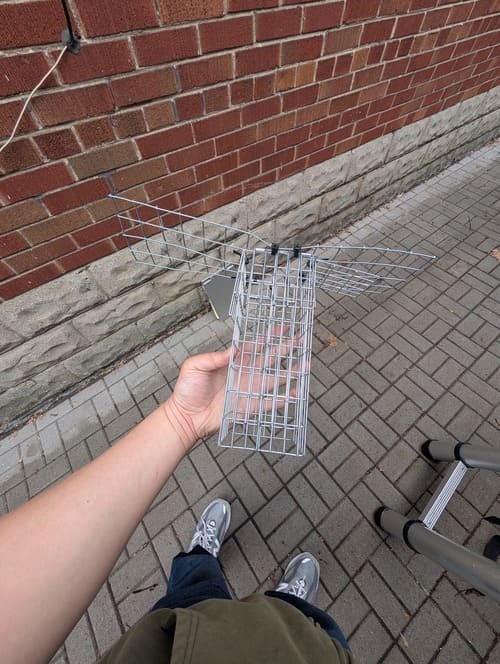
[FAST] One-way exclusion doors: If squirrels have entered your attic, walls, or crawl space, a one-way exclusion door is one of the most effective and humane options. It allows squirrels to exit but not re-enter. Once you're confident all animals have left, the opening is permanently sealed. This method is often recommended by wildlife professionals as it combines removal and exclusion in a single step.
Small Animal One-Way Door for Squirrels
[FAST] Ultrasonic and motion-activated deterrents: Ultrasonic sound emitters and motion-activated sprinklers can drive squirrels away from specific areas quickly — particularly gardens, decks, and roof lines. Results vary by product and placement, but they work best as a first line of defence or as a complement to trapping rather than a standalone solution.
[EFFECTIVE OVER TIME] Repellents (scent and taste-based): Capsaicin sprays, predator urine (fox or coyote), and commercial squirrel repellents discourage squirrels from frequenting treated areas. These require regular reapplication, especially after rain, and work best when combined with removing the food or shelter sources attracting squirrels in the first place.
[EFFECTIVE OVER TIME] Remove food sources and seal entry points: Squirrels are opportunists. Trimming tree branches that overhang your roof (keep at least 2 metres of clearance), securing bird feeders, picking up fallen nuts, and blocking gaps in your home's exterior with steel mesh or hardware cloth removes the incentives driving squirrels to your property — making all other methods far more effective.
Protect Your Property Against Squirrels Long-Term
Trim overhanging branches: Branches touching or near your roofline are the most common entry route squirrels use to access attics.
Seal gaps with steel mesh: Squirrels can chew through wood and plastic. Only galvanized steel mesh or hardware cloth provides a lasting seal.
Install chimney caps: Uncapped chimneys and vents are frequent nesting spots. Capping them removes one of the most common entry points.
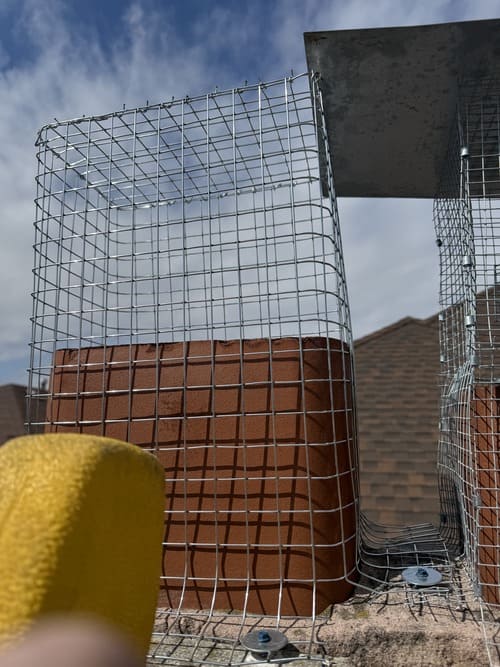
Chimney Covered with Mesh Cover
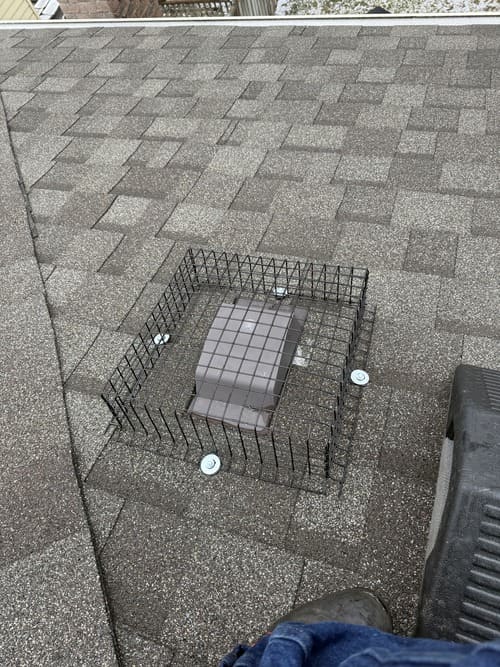
Mesh Vent Cover to Keep Out Squirrels and Raccoons
Protect garden beds: Wire mesh cloches or chicken wire laid just below the soil surface stops squirrels from digging up bulbs and seeds.
Squirrels in attics or walls often mean there is a nest with young nearby. Sealing entry points without first confirming all animals have left can trap them inside, causing damage and serious odour problems. Always inspect thoroughly or call a wildlife pest professional before sealing the entry points.
In Canada and many parts of the US, killing squirrels without a permit is illegal. Always opt for live trapping and relocation as your first approach, and verify local wildlife regulations before taking any action.
If you find our content useful, please add guardmorepests.com as a preferred source on Google.
Keep Your Home/Business Pest-Free Today
Do you have a pest problem that needs to be looked at right away? Contact Guard More Pest Control about your pests and we'll work on solving your pest problem within 24 hours.
.png)