.png)

Last Updated: August 22, 2026
Toronto Raccoon Removal & Exclusion
Professional Raccoon Removal in Toronto
Hearing movement in your attic, finding damage around the roofline or seeing a raccoon repeatedly entering the same part of your home usually means the problem is bigger than an animal passing through the property.
Guard More Pest Control provides professional raccoon removal and wildlife exclusion in Toronto for houses, rental properties and other residential buildings.
Our wildlife control process is designed around two jobs:
- Removing the raccoon humanely AND
- Closing any structural opening(s) so it cannot return
A Guard More technician inspects the property, identifies active and potential entry points, checks whether young raccoons are present and recommends the appropriate removal and exclusion work.
Think You Have a Raccoon in the Attic? Get the property inspected before the damage gets worse.
Waking up with unexplained bites or finding bed bugs around your mattress is something you want dealt with quickly.
Humane Removal | Structural Exclusion | Toronto-Based | Lifetime Coverage on Installed Coverings*
*Coverage applies to Guard More-installed coverings provided they are not removed or modified by human activity.


Raccoon Removal in Toronto
Once they find a secure attic, chimney, soffit or roof opening, the property can become an attractive denning location rather than a one-time shelter.
Removing the animal without fixing the opening therefore doesn't solve the structural problem.
Another raccoon can simply use the same access point.Guard More's Toronto raccoon removal service can include:
- Full exterior and interior property inspection
- Roofline inspection
- Attic inspection
- Identification of the active entry point
- Assessment for baby raccoons
- One-way exclusion door installation
- Confirmation that the animal has exited
- Permanent sealing of the primary entry point
- Chimney and vent protection
- Attic contamination assessment
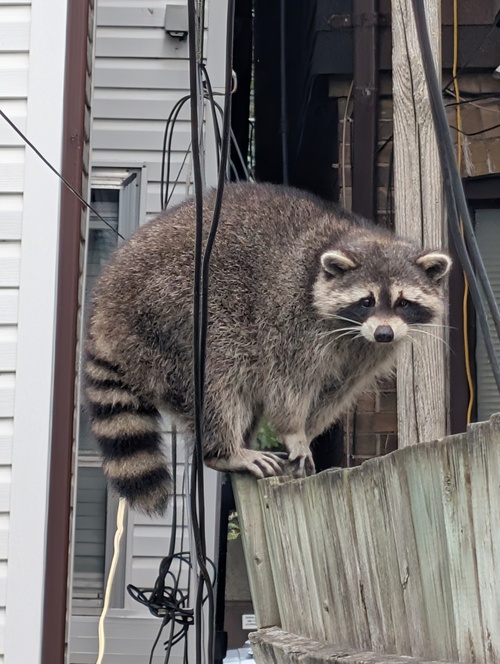

Signs You May Have Raccoons in Your Home
Raccoons are mostly active at night, so homeowners often hear or see the consequences of the intrusion before seeing the animal itself.
Common signs include:
Heavy Movement in the Attic
Raccoons are considerably larger than mice or squirrels.
You may hear heavy footsteps, thumping, scratching or movement above ceilings, particularly around dusk or during the night.
Damage Around Soffits or Roof Edges
Raccoons can pull at loose or deteriorated building materials to create or enlarge an entry point.
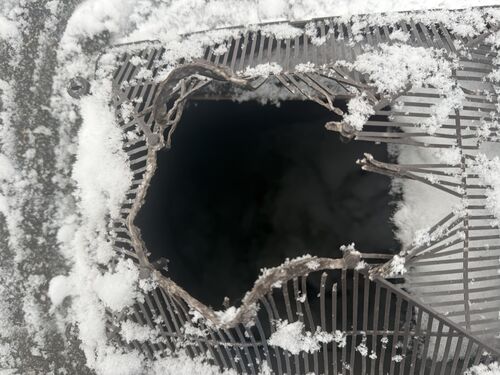
Damaged Roof Vents
Standard vent screens can be vulnerable to wildlife attempting to access the attic.
Droppings or Urine in the Attic
An established den can leave significant contamination behind.

Insulation Damage
Raccoons may compress, disturb or contaminate attic insulation.
Repeated Raccoon Activity Around the Roofline
Seeing the same raccoon climbing onto the property around dusk can indicate that the roofline is being used as an access route.
Noises During Spring and Early Summer
Female raccoons may use attic spaces as denning locations for young.
If you suspect raccoons are inside the structure, do not simply seal the opening. You first need to establish whether the animal and potentially young raccoons are still inside.
Tiny eggs and shed skins may be found around mattress seams, box springs, bed frames and furniture crevices.
Adult bed bugs are flat, oval and reddish-brown, approximately the size of an apple seed.
Where Raccoons Get Into Toronto Homes
Raccoons don't need a huge opening. They can exploit weak or damaged sections of a building and use considerable strength to enlarge vulnerable gaps.
Common entry points include:
Soffits & Fascia
Loose, deteriorated or damaged soffit and fascia areas can provide access to roof and attic spaces.
Roof Vents
Wildlife can damage lightweight vent screens and gain access through the opening underneath.
Roof-to-Wall Junctions
Where a lower roof meets a vertical wall, gaps or weak flashing can create an exploitable point of entry.
Chimneys
Uncapped or poorly protected chimneys can provide direct access to sheltered denning areas.
Damaged or Rotted Wood
Moisture-damaged fascia, roof decking and other softened materials are easier for a raccoon to tear open.
Plumbing Stack & Roof Penetrations
Loose flashing and gaps around roof penetrations can create secondary vulnerabilities.
Guard More inspects both the active opening and other weak points on the structure.
Closing one obvious hole whilst leaving several nearby vulnerabilities exposed is not a proper exclusion job.
Uncapped or poorly protected chimneys can provide direct access to sheltered denning areas.
Why Toronto Homes Are Attractive to Raccoons
Toronto provides raccoons with three things they need:
Shelter
Attics, chimneys and roof cavities can provide secure, protected denning locations.
Food
Garbage, compost, outdoor pet food, fruit trees and bird feeders can all make a property more attractive.
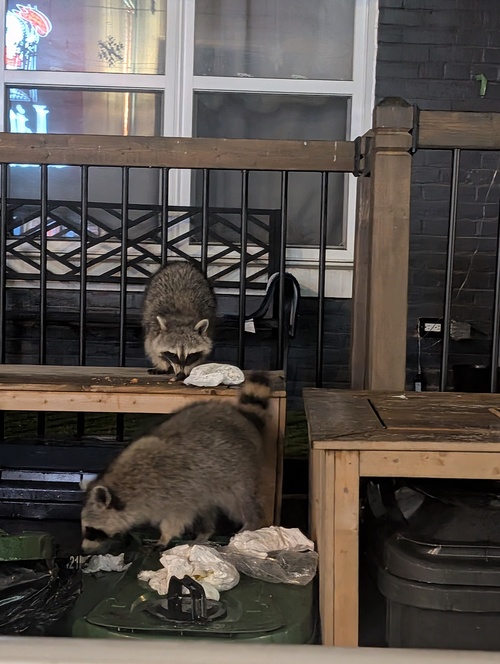
Access
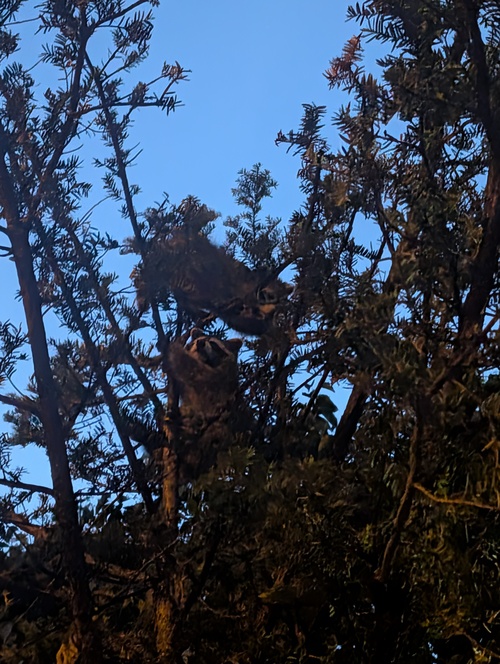
Mature trees, fences, neighbouring roofs and other structures can make it easier for raccoons to reach a roofline.
Established Toronto neighbourhoods with mature tree canopy and older housing stock can therefore create ideal conditions for wildlife intrusion.
Areas such as:
- Riverdale
- Cabbagetown
- The Annex
- High Park
- Roncesvalles
- Other mature residential neighbourhoods
The present of close treeline presents plenty of opportunities for raccoons to move between trees, fences, garages and rooflines.
If tree branches are providing direct access to the roof, your technician may recommend trimming them back as part of the prevention plan.
Our Toronto Raccoon Removal Process
1. Full Property Inspection
Every raccoon job starts with inspection.
A Guard More technician checks:
- Roofline
- Soffits
- Fascia
- Roof vents
- Chimney openings
- Roof-to-wall junctions
- Attic
- Exterior perimeter
- Other potential wildlife entry points
We look for:
- Active openings
- Tracks or movement
- Droppings
- Urine staining
- Nesting evidence
- Insulation damage
- Structural damage
- Potential secondary entry points
2. Baby Raccoon Assessment
Kits (young raccoons) can completely change the removal process. If a mother raccoon has kits inside the structure, simply fitting a one-way door and locking the mother outside can create a much worse problem. The mother may aggressively attempt to regain access, causing additional structural damage.
The young can also die inside the building if they are sealed in. During baby season, Guard More checks for kits before proceeding with exclusion. Where young raccoons are found, Guard More uses a reunion approach designed to allow the mother to relocate them.
3. One-Way Exclusion Door Installation
Once the site is suitable for exclusion, Guard More installs a one-way wildlife door at the active opening.
The device allows the raccoon to leave the building but prevents it from getting back through the same opening.T
he one-way door remains in place long enough to confirm that the animal has exited.
Guard More's current process typically keeps the device in place for at least 4–7 days, with weather and animal activity taken into account.
4. Confirm the Structure Is Clear
We do not permanently close the active entry point until we are satisfied that the animal has left.
This is a crucial step.
Sealing wildlife inside an attic creates a significantly worse problem than the original intrusion.
5. Permanent Structural Exclusion
Once the property is clear, the one-way door is removed.
The active opening is then permanently secured.
Secondary wildlife vulnerabilities identified during inspection can also be reinforced to reduce the risk of another raccoon simply finding the next weak point.
6. Attic Assessment
After removal and exclusion, Guard More assesses the attic for:
- Fecal contamination
- Urine contamination
- Damaged insulation
- Nesting material
- Structural damage
- Other remediation concerns
If further cleanup or insulation work is needed, we can explain the next steps and provide remediation guidance.
Baby Raccoon Removal in Toronto
Why Baby Season Requires a Different Approach
Female raccoons commonly use protected structures to raise their young. If kits are present, the job cannot be treated like a normal single-animal exclusion.
Guard More's current baby-season process involves locating the young and creating an opportunity for the mother to reunite with and relocate them.
The goal is to avoid:
- Trapping young animals inside the structure
- Separating the mother from her kits
- Additional damage caused by the mother trying to regain entry
- Decomposition and odour from animals dying inside
- Secondary insect problems
Baby Raccoon Removal in Toronto
In some situations, orphaned or abandoned young wildlife may require specialist rehabilitation.
Guard More currently works with the Toronto Wildlife Centre for wildlife surrender where appropriate and provides the associated surrender identification to the serviced customer.
This provides a documented route for young animals that cannot be reunited successfully.
Raccoon Exclusion for Toronto Homes
Removal is only half the job.
A raccoon has already demonstrated that the building has a structural weakness.
If that weakness remains open, the same animal or another raccoon can use it again.
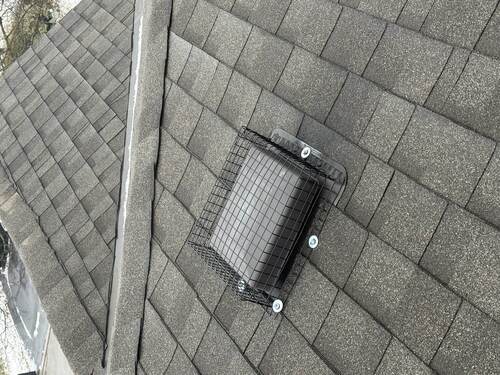
Guard More installs wildlife-resistant exclusion materials designed for vulnerable roof and building openings.
Depending on the location, exclusion can include:
Galvanized Steel Mesh Screens
Used to reinforce:
- Roof vents
- Soffit vents
- Gable vents
- Other ventilation openings
Steel Flashing
Used around:
- Roof-to-wall junctions
- Soffit corners
- Fascia gaps
- Structural openings
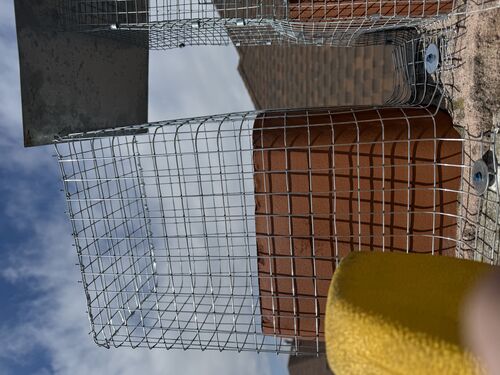
Wildlife-Rated Chimney and Vent Caps
Used to prevent access through open chimney systems and vents.
One-Way Wildlife Doors
Used temporarily during the active removal stage before permanent closure.
Guard More's current specifications include minimum 24-gauge galvanized steel mesh for wildlife screens and minimum 20-gauge galvanized steel for flashing applications.
We do not treat foam alone as a suitable raccoon exclusion material.
Lifetime Coverage on Installed Wildlife Coverings
Guard More currently backs installed wildlife exclusion coverings with a lifetime guarantee, provided the coverings have not been removed or modified by human activity.
That coverage applies to the installed exclusion work rather than guaranteeing that wildlife can never interact with another part of the property.
A proper wildlife programme is based on securing identified vulnerabilities, maintaining the structure and responding to new building damage when it occurs.
- Which areas require inspection
- Preparation requirements
- Treatment scheduling
- Access requirements
- Follow-up requirements
Raccoons in Toronto Attics
Attics are one of the most attractive denning areas in a residential property.
They offer:
- Warmth
- Darkness
- Protection
- Low human disturbance
Unfortunately, an animal living in the attic can also cause damage.
Potential issues include:
- Disturbed insulation
- Urine contamination
- Fecal contamination
- Damaged ducting
- Damaged vents
- Damaged soffits
- Structural wear around entry points
If you're hearing heavy movement overhead, especially at night, an attic inspection can determine whether raccoons are responsible and where they're getting in.
Raccoon Droppings & Attic Contamination
Raccoon feces should not be treated like ordinary household dirt.
Raccoons can carry Baylisascaris procyonis, commonly called raccoon roundworm.
Contaminated attic material therefore needs to be approached carefully rather than simply swept or vacuumed without appropriate controls.
After exclusion, Guard More can assess:
- Amount of fecal contamination
- Insulation damage
- Urine staining
- Areas requiring cleanup
- Whether professional attic remediation is appropriate
Removal stops the active wildlife problem. Remediation deals with what the animal left behind.
Can You Just Trap and Relocate a Raccoon?
Sometimes homeowners try:
- Bright lights
- Loud music
- Repellent sprays
- Ammonia
- Ultrasonic devices
- DIY traps
- Foam sealant
- Lightweight mesh
These approaches don't address the core issue if a raccoon already has reliable access to the structure.
The risk with DIY exclusion is even greater.
If you close an opening whilst an animal or young raccoons are still inside, you've turned a wildlife intrusion into an animal welfare, odour and structural problem.
The correct order is:
Inspect → confirm occupancy → remove humanely → confirm exit → permanently exclude.
Not:
Find hole → seal hole → hope.
How Much Does Raccoon Removal Cost in Toronto?
Raccoon removal pricing depends on what needs to be done to the building.
The biggest variables include:
- Property size
- Roof complexity
- Number of entry points
- Accessibility
- Whether baby raccoons are present
- Amount of exclusion work required
- Chimney or vent protection
- Attic contamination
- Remediation requirements
Guard More provides an itemized written quote before work begins.
Current indicative service ranges used on Guard More's general raccoon service page include:
The inspection fee is currently applied toward the job when removal and/or exclusion work is required.
Why Choose Guard More for Raccoon Removal in Toronto?
Humane Removal
Guard More uses wildlife exclusion methods designed to allow animals to leave without simply trapping them inside the structure.
Baby-Season Assessment
Technicians check for young raccoons before proceeding with exclusion work.
Removal Plus Permanent Exclusion
The objective is not only to get the animal out.
It's to close the structural access point afterwards.Guard More uses wildlife exclusion methods designed to allow animals to leave without simply trapping them inside the structure.
Professional Wildlife-Resistant Materials
Guard More uses galvanized steel screening, flashing and wildlife-rated coverings rather than relying on foam or lightweight screens alone.
Lifetime Coverage on Installed Coverings
Guard More currently provides lifetime coverage on installed wildlife exclusion coverings, subject to the applicable terms.
Working at Heights Trained Technicians
Guard More states that technicians performing this work hold Working at Heights certification for roof-access work.
Toronto-Based
Guard More Pest Control is based at:
93 Marjory Ave, Toronto, ON M4M 2Y5
and provides wildlife control throughout Toronto and the Greater Toronto Area.
NWCOA Member
Guard More is a member of the National Wildlife Control Operators Association.
What Our Raccoon Customers Say
★★★★★ Wayne Wright
had a raccoon issue they came really fast and took care of the problem and the rate was really good priced i recommend their service and he was very friendly
Toronto Raccoon Removal FAQs
How do you remove raccoons from an attic?
Guard More first inspects the attic and exterior of the property, confirms the active entry point and checks for young animals.
Where appropriate, a one-way exclusion door is installed so the raccoon can leave but cannot re-enter.
Once the structure is confirmed clear, the opening is permanently secured.
How long does raccoon removal take?
The one-way exclusion device is normally left in place for at least 4–7 days.
Weather, animal activity and whether young raccoons are present can affect the timeline.
What happens if baby raccoons are in the attic?
The technician follows a baby-season process rather than simply excluding the mother.
The kits are located and a reunion approach is used to allow the mother to relocate them where possible.
Can raccoons come back after removal?
Yes, if the structural access point is left unsecured.
That's why Guard More combines removal with exclusion rather than treating animal removal alone as the permanent fix.
Do you trap raccoons and move them somewhere else?
Guard More's core process focuses on humane one-way exclusion and structural repair.
Ontario and Toronto rules restrict captured wildlife relocation, including requirements that live wildlife generally be released within 24 hours and within 1 kilometre of where it was captured.
Do you repair the raccoon entry point?
Yes.
After the animal has exited, Guard More permanently secures the primary access point and can reinforce other identified wildlife vulnerabilities.
Is raccoon removal humane?
Guard More's process is designed around humane exclusion and baby-season assessment rather than sealing animals inside or unnecessarily removing wildlife from its local territory.
Do you clean raccoon droppings from attics?
Guard More assesses attic contamination and can advise on wildlife-contaminated attic remediation.
The cleanup requirements depend on the amount of fecal material, damaged insulation and other contamination.Guard More inspects and services chimney-related wildlife entry points and can install wildlife-rated chimney caps where appropriate.
How much does raccoon removal cost in Toronto?
Pricing depends on the number of entry points, roof complexity, whether young are present and how much exclusion work is required.
Guard More provides a written itemised quote based on the property.Contact Guard More with the property location and details of what you've found. We'll advise on inspection and service availability.
How to Make Your Toronto Property Less Attractive to Raccoons
After exclusion, a few property changes can reduce ongoing wildlife pressure.
- Keep garbage bins securely closed
- Avoid leaving pet food outside
- Manage compost carefully
- Remove fallen fruit where practical
- Review bird-feeding practices
- Trim branches providing easy roof access
- Repair deteriorated soffits and fascia
- Secure roof vents
- Install appropriate chimney caps
- Inspect the roofline periodically for new damage
Prevention doesn't replace exclusion when an animal is already inside.
But once the active problem has been solved, reducing food and access points makes the property less attractive for future wildlife.
Need Raccoon Removal in Toronto?
A raccoon in the attic is not just an animal problem.
It's evidence that the building has an entry point that needs to be found and secured.
Guard More Pest Control provides professional raccoon inspection, humane removal and structural exclusion throughout Toronto.
Related Raccooon Articles
Keep Your Home/Business Pest-Free Today
Do you have a pest problem that needs to be looked at right away? Contact Guard More Pest Control about your pests and we'll work on solving your pest problem within 24 hours.