.png)

How Does Professional Pest Removal Work?
Last updated:
September 4, 2026

When people talk about pest removal, they often imagine one simple objective: find the pest and get rid of it.
In reality, professional pest removal can mean very different things depending on whether the problem involves insects, rodents, or wildlife.
A bed bug infestation may require residual treatment and targeted steam. Mice may require trapping or baiting followed by entry-point exclusion. A raccoon inside an attic may require a one-way wildlife door and structural proofing.
The method should therefore follow the pest, property and evidence found during inspection.
Guard More Pest Control provides professional pest removal and control for homes and businesses across Toronto and the Greater Toronto Area.
Pest removal is the process of reducing or eliminating unwanted insects, rodents or wildlife from a property.
But the word removal can describe several different control methods.
Depending on the pest, professional removal may involve:
This is why there is no single universal “pest removal treatment”.
A professional should first identify what pest is present and how it is using the property.
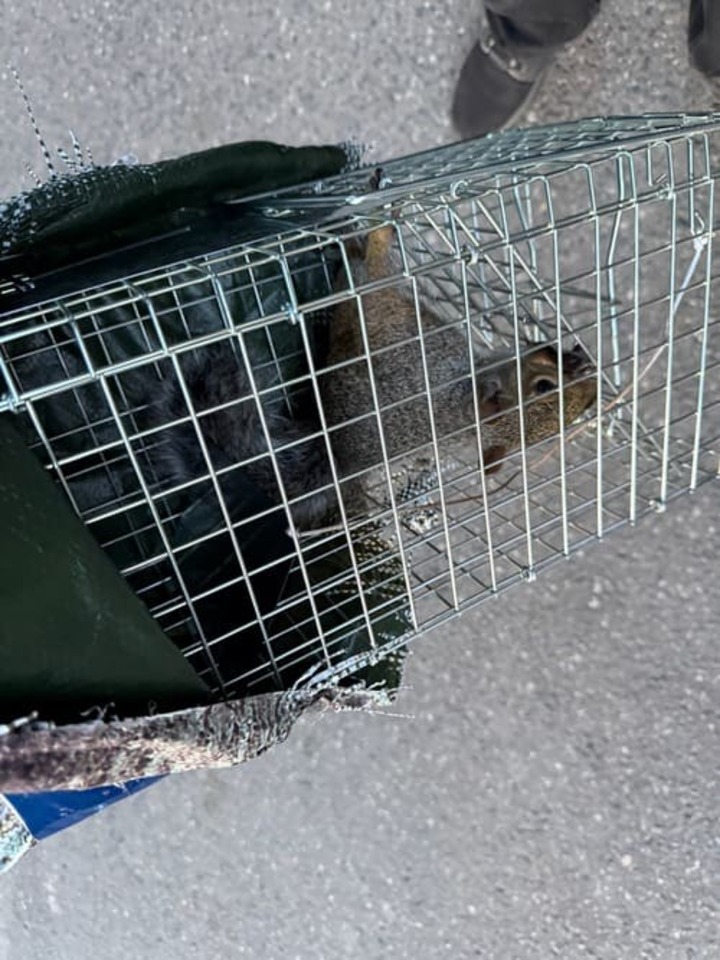
Correct identification is the foundation of pest removal.
Different pests can require completely different approaches even when they are found in the same area of a home.
For example:
Treating the wrong pest wastes time and can sometimes make control more difficult.
Where possible, identification should be based on:
Guard More's existing pest profiles can also help identify common Toronto pests before professional treatment begins.
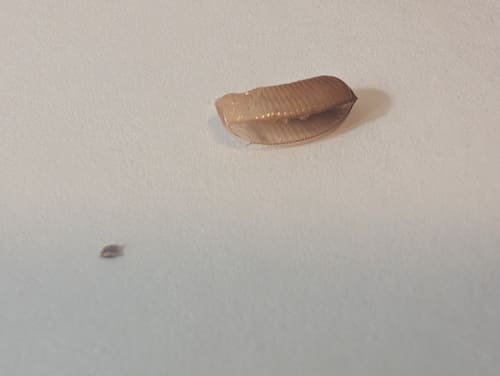
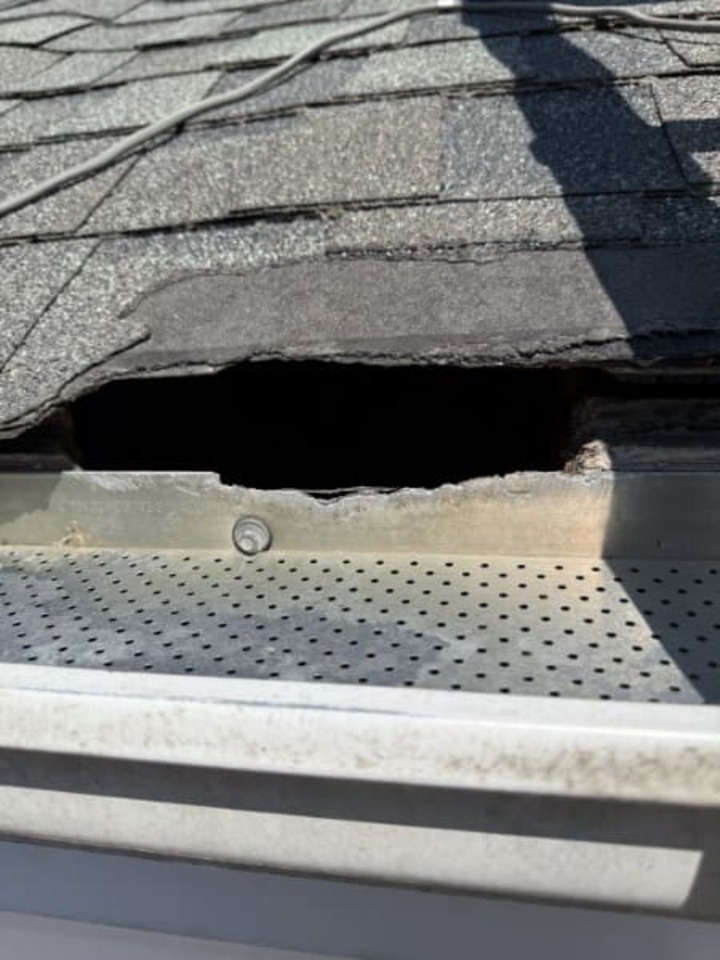
The place where a pest is seen is not necessarily where the problem originates.
A mouse seen in a kitchen may have entered through an exterior utility opening before travelling through a wall void.
Cockroaches found around a countertop may be harbouring behind appliances or around plumbing.
Wasps seen entering a soffit may have a concealed nest deeper inside the structure.
Professional pest removal therefore looks for the source, harbourage or entry route, not just the individual pest that happens to be visible.
Insect pest removal commonly relies on targeted treatment rather than physical removal of every individual insect.
Depending on the pest, control can include:
The correct method depends heavily on the insect species.
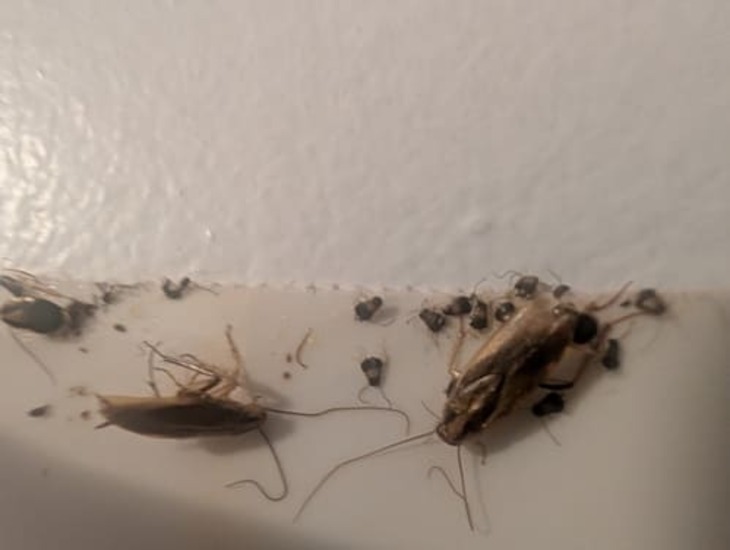
Bed bugs commonly hide around sleeping and resting areas, including:
Professional bed bug treatment can combine targeted steam with residual treatment and follow-up, depending on the property and programme being used.
Because bed bugs can hide in very small harbourage areas, simply removing or killing the bugs that are visible does not necessarily resolve the infestation.
Cockroach control often focuses on concealed harbourage.
German cockroaches can establish around:
Professional cockroach removal can involve:
The aim is to affect the population hidden around the property rather than simply spray cockroaches as they appear.
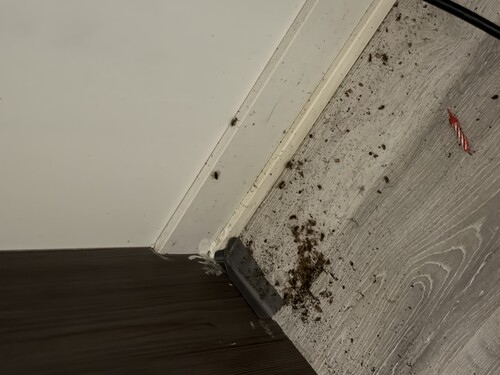
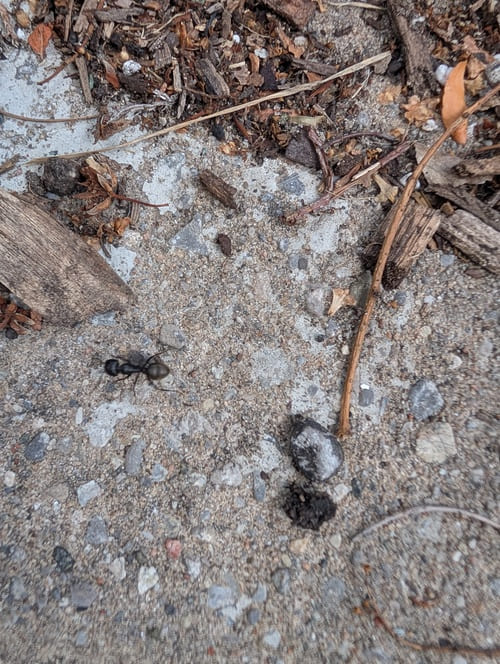
Ant control is heavily dependent on species identification.
The visible ants are usually workers leaving the colony to forage.
Simply killing those workers may have little impact on the colony producing them.
Professional ant treatment can therefore use slow-acting bait or other targeted treatments designed around the species and nesting behaviour.
Guard More treats common Toronto ants including:
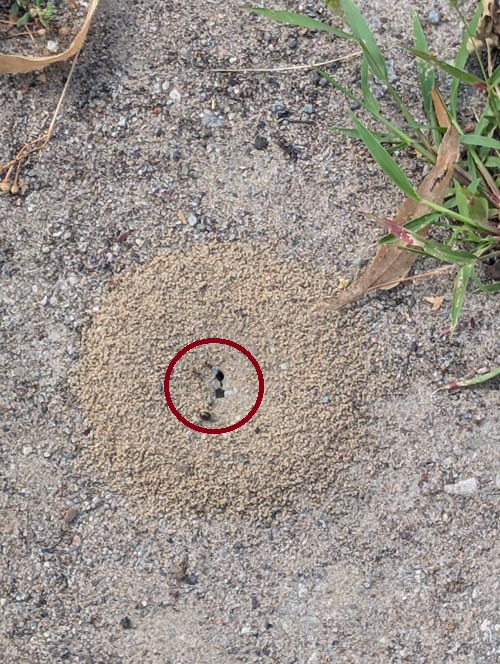
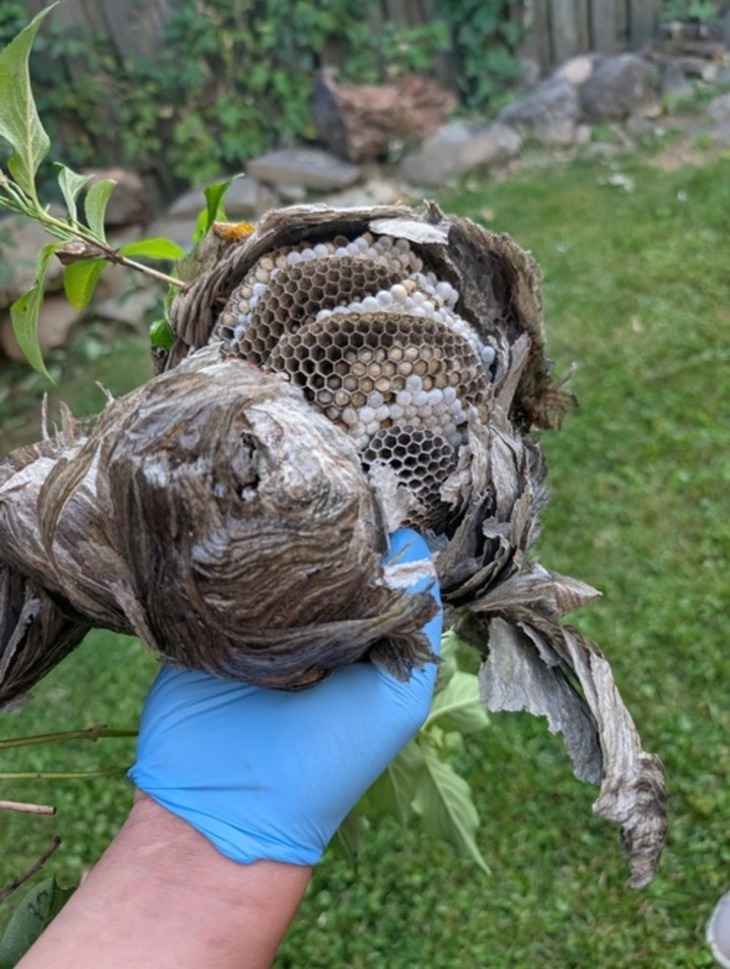
Wasps require a different approach again.
The objective is generally to locate and treat the active colony.
Nests may be:
Where an inactive nest is accessible, it may sometimes be physically removed.
Where the colony is concealed inside a structure, the priority is successful colony treatment, not unnecessarily opening walls simply to retrieve inactive nest material afterwards.
Rodent removal usually combines population control with investigation of structural entry points.
For mice and rats, professional rodent treatment may include:
Catching one mouse does not necessarily mean the property is mouse-proof.
If rodents are entering through an accessible exterior opening, another animal may use the same route later.
This makes exclusion particularly important for recurring rodent problems.
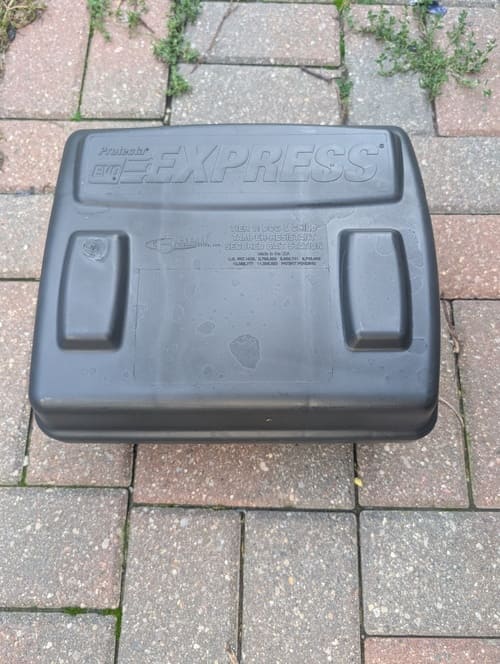
Both trapping and baiting can play roles in professional rodent control.
The appropriate choice depends on:
Traps allow direct confirmation that an animal has been captured.
Professional baiting can be useful in other circumstances but should be positioned and managed appropriately.
There is no universal rule that every rodent problem should receive the same treatment.
Rodent removal controls the animals already active.
Rodent exclusion addresses how they entered.
Potential mouse and rat entry areas can include:
Where practical, these openings can be protected once the active pest problem has been assessed.
Wildlife removal is different from insect extermination and rodent treatment.
For animals such as raccoons and squirrels, Guard More focuses on humane structural exclusion where appropriate.
The process can include:
This approach addresses both the animal and the structural weakness that allowed it into the building.
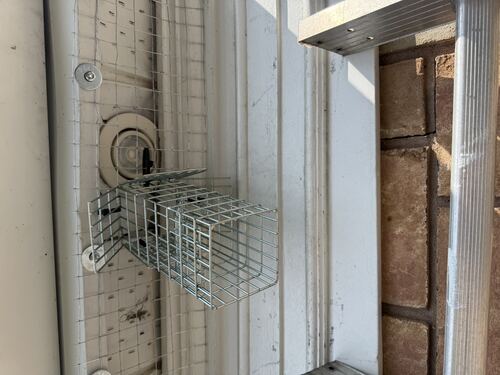
Raccoons can exploit vulnerable areas around:
Because females may use attics for nesting, removal needs to consider whether dependent young are present before exclusion takes place.
After the animals are out, the active entry point can be protected to reduce re-entry.
Squirrels can enter through vulnerable:
Their gnawing behaviour can also enlarge existing weak points.
Professional squirrel removal may use a one-way exclusion system followed by structural proofing after exit has been confirmed.
These terms are closely related but should not be confused.
Deals with pests already present.
Examples include:
Addresses how pests can enter or re-enter.
Examples include:
Many recurring pest problems require both control and prevention.
No.
This is an important distinction.
With some pests, physical removal makes sense.
Examples include:
For many insect infestations, however, treatment targets the population rather than physically collecting each pest.
A cockroach treatment, for example, is successful because the population is controlled — not because a technician physically removes every cockroach from the property.
There is no universal timeframe.
The length of treatment depends on:
Some wasp nests may be treated during one appointment.
Bed bug or cockroach problems may require scheduled follow-up.
Rodent control can require ongoing monitoring.
Wildlife exclusion often involves an initial installation and a later return after the animal has exited.
The appropriate timeline should follow the pest rather than a blanket promise.
Sometimes.
But many pest problems require a process rather than one appointment.
Follow-up can be useful when:
The goal should be evidence of control rather than simply counting visits.
Once active pest pressure has been addressed, the next step is reducing the chance of recurrence.
Depending on the pest, this may involve:
This is where professional pest management extends beyond immediate extermination.
Professional help becomes particularly useful when:
An isolated insect sighting does not always justify professional treatment.
Persistent activity, nesting, breeding or structural access are much stronger reasons to investigate.
Pricing depends on the pest and work required.
For example, these are entirely different services:
Pest Control Service Cost can also vary according to:
Guard More provides quotes based on the actual pest problem rather than assigning one generic price to all pest removal.
The best method depends on the pest. Insects may require targeted treatment, rodents may require trapping or baiting plus exclusion, while wildlife may require one-way removal and structural proofing.
They overlap, but pest control is broader. Pest removal focuses on dealing with active pests, while pest management can also include monitoring, prevention, sanitation and exclusion.
No responsible pest-control company can guarantee that every future pest will never approach or enter a property. Professional treatment can control active problems and address conditions contributing to recurrence.
For rodents and wildlife, structural exclusion may be included or quoted separately depending on the service. Ask what is included before treatment begins.
It depends on the pest. Some problems can be addressed in one treatment, while others require follow-up or monitoring.
Treatment depends on the pest. Rodents, insects and wildlife using wall or structural voids require different methods, and opening walls is not automatically necessary.
If you've found insects, rodents or wildlife in your home or business, the correct treatment starts with identifying what pest is present, where it is coming from and which control method makes sense.
Guard More Pest Control provides professional pest removal and management across Toronto and the GTA for:
Our technicians can recommend the appropriate combination of treatment, trapping, monitoring, exclusion or prevention based on the property.
Do you have a pest problem that needs to be looked at right away? Contact Guard More Pest Control about your pests and we'll work on solving your pest problem within 24 hours.