Squirrels have a reputation for eating almost anything they can get their paws on. In the Greater Toronto Area, where Eastern Grey Squirrels have adapted to the dense urban setting co-existing with human. They can knock down bird feeders, strip fruit trees, dig up bulbs, and raid garden beds with impressive efficiency.
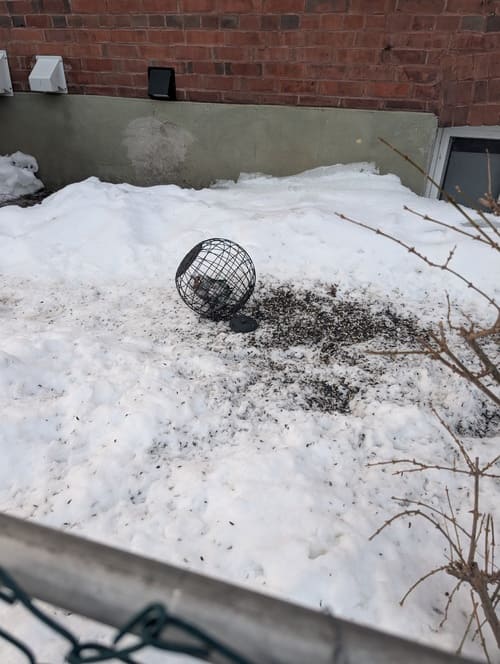
Bird feeder knocked down by Squirrels
Several common foods are genuinely toxic to squirrels, causing serious harm and in some cases death. If you have squirrels visiting your property regularly, knowing what to keep away from accessible areas is worth understanding.
Squirrels cannot vomit because they lack the necessary muscles and thought reflex to force food back up the food pipe. This means that any toxic food they consume is fully processed through their system.
This is worth keeping in mind when thinking about what you leave accessible in your yard, garden, and/or compost. A substance that causes brief discomfort to a larger mammal capable of vomiting can be lethal to a squirrel due to their small size.
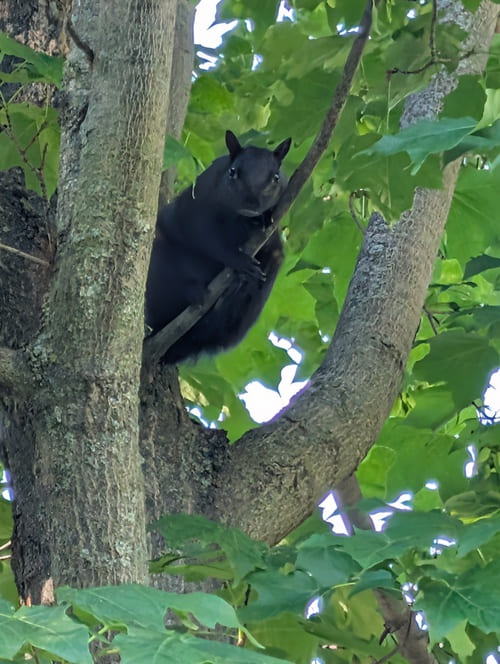
Black Eastern Grey Squirrel in a tree. Black Eastern Grey Squirrels are super common across the Greater Toronto Area
Foods that are toxic to squirrels
Pesticide-treated seeds, bulbs, and plants: This is the most common source of squirrel poisoning in suburban and urban environments. Garden bulbs pre-treated with fungicides, seeds coated with pesticides for agricultural planting, and plants treated with systemic insecticides are consumed by squirrels that have no way of identifying the treatment. Tulip bulbs are commonly targeted by squirrels and if treated with a systemic pesticide before planting, the entire bulb becomes toxic. We recommend always use untreated bulbs and keep pesticide-treated garden materials in sealed containers.
Avocado: Avocado contains Persin which is a a fungicidal toxin found within the flesh, skin, and pit of the Avocado. Persin causes fluid accumulation around the heart and lungs in many mammals, leading to difficulty breathing, weakness, and in sufficient quantities, cardiac failure. The pit is particularly dangerous as it contains a concentrated level of Persin. Avocado waste in an accessible compost bin is the most common exposure route for urban squirrels.
Chocolate & caffeine: Theobromine in chocolate and caffeine in coffee or tea are toxic to squirrels. Squirrels have a much lower body mass than most dogs, meaning a far smaller quantity is required to cause harm resulting in seizures, heart arrhythmia, and in high doses, death. Dark chocolate and cocoa powder are the highest-risk forms of chocolate.
Onions & garlic: Onions, garlic, leeks, and other alliums contain compounds called disulfides and thiosulphates. These two compounds damage red blood cells in squirrels and other small mammals. The result is a form of haemolytic anaemia, where red blood cells are destroyed faster than they can be replaced. Symptoms include lethargy, weakness, and laboured breathing. Both raw and cooked forms are harmful, and garden alliums left in accessible beds are a potential exposure route.
Fruit pits and apple seeds: The seeds of apples, pears, cherries, peaches, plums, and apricots contain amygdalin. This compound that metabolizes into hydrogen cyanide which stops cells from using oxygen and highly toxic to humans as well. A single apple seed is unlikely to cause harm but in large quantities is dangerous.
Xylitol (other names - birchbark extract, birch sugar, d-xylitol, xylite, 1,4-anhydro-d-xylitol, anhydroxylitol and xylitylglucoside): This artificial sweetener, found in sugar-free gum, candy, and baked goods, causes a dangerous drop in blood sugar and liver failure. Always dispose of xylitol-containing products in sealed containers. You can find a list of brands and their product that contain Xylitol.
Foods to avoid for squirrels and harmful in higher quantities
Raw starchy vegetables: Raw potatoes, especially green potatoes and potato skin, contain solanine. Solanine is a natural toxin that can cause digestive distress, weakness, and neurological effects in squirrels. Raw sweet potato and raw kidney beans contain similar compounds that interfere with digestion. These are not acutely lethal in small quantities but can cause significant harm over repeated exposure. Vegetable garden beds and compost containing raw potato waste are the most common exposure routes. We recommend putting mesh over your ground growing vegetables to deter squirrels from digging them up to eat.
Heavily salted or processed foods: Squirrels found eating chips, pretzels, salted nuts, or other heavily processed human snack foods are consuming sodium at levels their kidneys are not designed to handle. Sodium toxicity in small mammals causes dehydration, neurological symptoms, and kidney damage. This is particularly relevant in urban areas where human food waste is accessible, and where well-meaning people leave out salted nuts or crackers near bird feeders. PLEASE DO NOT LEAVE YOUR GARBAGE AND COMPOST BINS UNLOCKED.
What to do if you find a sick or disoriented squirrel
A squirrel that appears disoriented, is moving erratically, is lying on its side, or is showing signs of seizure or laboured breathing may have consumed something toxic. If you find a squirrel in this condition:
Do not attempt to handle it with bare hands. Squirrels bite when distressed and can carry diseases including rabies (though transmission from squirrels is extremely rare in Ontario).
Contact your local wildlife rehabilitation centre or the Toronto Wildlife Centre at (416) 631-0662 if you are in the GTA.
Do not offer food or water to a distressed wild squirrel. This can cause aspiration in a weakened animal. Aspiration is when food or water goes down the windpipes and lungs instead of food pipe.
Note: Please report any accessible food waste, open compost, or garden chemicals to the rehabilitator these key details helps with treatment.
If you find our content useful, please add guardmorepests.com as a preferred source on Google.
Keep Your Home/Business Pest-Free Today
Do you have a pest problem that needs to be looked at right away? Contact Guard More Pest Control about your pests and we'll work on solving your pest problem within 24 hours.
.png)