.png)

How Do Bed Bugs Get Into Your Home? 10 Common Ways
Last updated:
September 27, 2026

Bed bugs usually get into homes by hitchhiking on luggage, clothing, furniture, bags and other personal belongings.
Unlike fleas, bed bugs do not jump, and they do not fly.
Most new infestations begin when a bed bug is accidentally transported from another location or, in some multi-unit buildings, when bed bugs move between neighbouring units through shared structural pathways.
That means a bed bug infestation does not automatically mean a home is dirty.
Clean homes, hotels, condos, apartments and offices can all experience bed bug activity if the insects are introduced from somewhere else.
Here are 10 of the most common ways bed bugs get into your home.
Travel is one of the most common ways bed bugs are accidentally brought into a home.
Bed bugs can hide around:
If luggage is placed near an infested bed, upholstered chair or other harbourage, a bed bug can crawl onto the bag and travel home with you.
The insect does not need to live inside the suitcase permanently.
It only needs to remain hidden long enough to be transported to your home.
When staying in a hotel or short-term rental:
Finding no visible bed bugs during a quick inspection does not guarantee that a room is completely free of them, but basic precautions can reduce your exposure.
Hotels, motels and short-term rentals have frequent guest turnover.
That means people and luggage are continuously moving in and out of rooms.
A guest can unknowingly introduce bed bugs from another location, and later visitors may encounter those insects before the problem is identified.
Bed bugs can hide around:
Even high-end accommodation can experience bed bug incidents.
The presence of bed bugs is more closely connected to movement of people and belongings than to the quality or cleanliness of the property.
Recently in Toronto, there was a Bed Bug infestation at the Chelsea Hotel.
Second-hand furniture can introduce bed bugs directly into a home.
Higher-risk items include:
Bed bugs can hide inside small seams, cracks and joints that may not be obvious during a quick visual inspection.
A piece of furniture can therefore appear clean while still harbouring insects or eggs.
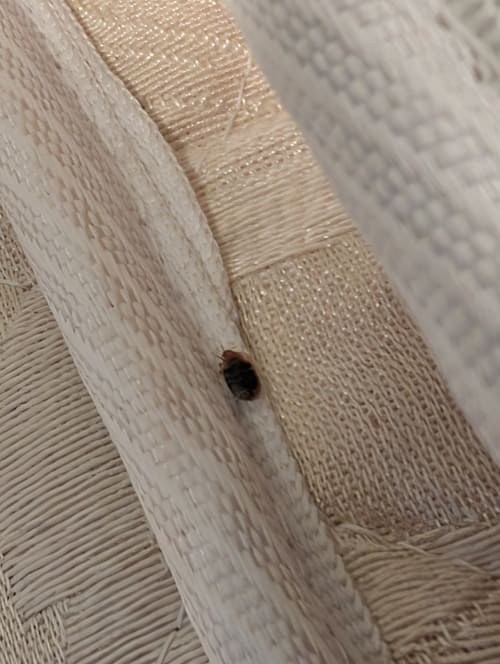
Upholstered items provide many protected hiding places.
Furniture left outside or discarded beside apartment buildings should not be assumed safe simply because it looks undamaged.
Visitors can occasionally transport bed bugs into another property on their belongings.
Potential hitchhiking items include:
This does not mean you should be suspicious of every visitor.
It simply reflects how bed bugs spread: they are very good at being transported unknowingly from one place to another.
Someone can have bed bugs in their residence without realizing it, particularly during the early stages of an infestation.
Bed bugs do not always need to be physically carried through the front door.
In multi-unit buildings, they can sometimes move between neighbouring areas.
Possible pathways include:
This makes bed bug control in condos and apartment buildings more complicated than treatment in an isolated detached home.
An infestation inside one unit can potentially affect neighbouring units.
If repeated bed bug activity continues despite treatment, adjacent units or building-level conditions may need to be considered.
Bed bugs can occasionally be transported on public transit.
They may hitchhike on:
Buses, trains and other forms of public transportation involve large numbers of people sharing seats and enclosed spaces.
This does not mean taking public transit is likely to cause an infestation.
The more important point is that bed bugs can potentially be moved anywhere people and belongings travel.
There have cases of Bed Bugs on the TTC subway seats.
Ubers, Lyfts, and other shared vehicles can also act as temporary transfer points.
Bed bugs may be introduced onto seats or interior surfaces through a passenger's clothing or belongings.
A later passenger could then potentially transport one elsewhere.
Again, this is not necessarily a common source compared with heavily infested residences or travel accommodation.
But it is biologically possible because bed bugs spread through passive transportation rather than flying or jumping.
Laundry rooms in apartment and condo buildings bring clothing, bedding and residents from multiple units into one shared space.
Bed bugs may potentially be transported in:
The risk is not necessarily the washing machine itself.
It is the movement and temporary storage of belongings in a shared environment.
Avoid leaving laundry baskets, clothing or bedding unnecessarily on shared floors or upholstered surfaces.
Bed bugs can occasionally be transported through locations where large numbers of people spend time.
Examples include:
These environments are usually considered transfer points, rather than places where bed bugs establish the same type of population they might around a bed.
Someone may unknowingly carry a bed bug into the building.
Another person's belongings could potentially pick it up and carry it elsewhere.
Bed bugs can hide in more than mattresses and clothing.
They may shelter in cracks and folds within:
This can become relevant when:
If belongings have been kept inside an infested property, moving them without inspection can transport the problem elsewhere.
Bed bugs behave differently from many common household pests.
They do not normally enter homes from gardens, lawns or the exterior environment in the same way ants, wasps or rodents might.
Their primary hosts are humans, so they are strongly associated with indoor spaces where people sleep or spend extended periods of time.
Most infestations begin because bed bugs are transported into the building or move from another infested area inside a multi-unit property.
No.
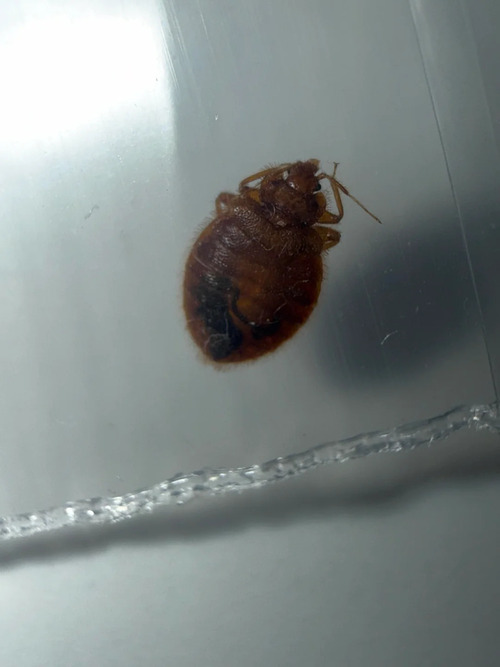
Bed bugs do not have functional wings and cannot fly.
No.
Bed bugs also cannot jump like fleas.
They crawl.
Their ability to spread over long distances largely comes from hitchhiking on people, furniture and belongings.
Bed bugs are not like lice.
They do not normally live permanently on the human body.
They typically hide away from the host and emerge when they need to feed.
Common hiding areas include:
A bed bug may temporarily crawl on clothing or belongings, which is how it can be transported between locations.
No.
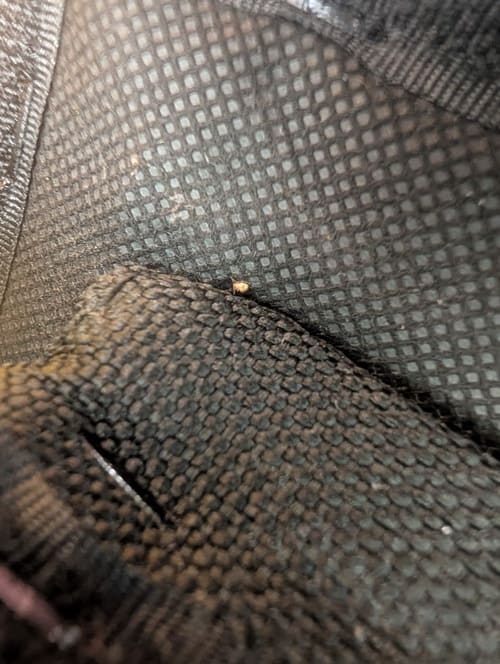
Bed bugs are not caused by poor housekeeping.
An immaculate house can develop a bed bug infestation if an insect is brought inside.
Clutter can make control more complicated because it creates additional hiding places, but cleanliness itself does not determine whether bed bugs can enter a property.
Yes, particularly in multi-unit buildings.
Bed bugs can crawl through small openings associated with:
This is one reason apartment and condo infestations may require more coordination than bed bugs in detached houses.
The presence of a single bed bug does not necessarily mean there is already a large infestation.
However, if a fertile female is introduced and conditions are suitable, the population can increase over time.
Early identification matters because a smaller, more localised infestation is generally easier to manage than activity that has spread into multiple rooms or neighbouring units.
Bed bugs typically remain close to where people rest.
Common hiding places include:
As an infestation becomes more established, bed bugs may spread farther from the bed.
Common warning signs include:
Bites alone are not reliable proof of bed bugs because many other skin reactions can appear similar.
Finding physical evidence of the insect is much more useful.
Avoid immediately moving belongings between rooms.
Moving potentially infested items around the property can make the problem harder to contain.
Instead:
If bed bugs are confirmed, the treatment method should be selected based on the infestation and property type.
There is no practical way to guarantee that a bed bug will never be transported into your home.
You can reduce the risk by:
Early detection is one of the most useful forms of prevention.
Toronto condos and apartment buildings create particular opportunities for bed bug movement because many people live close together.
Possible introductions include:
Once introduced, shared structural pathways may also allow bed bugs to move between neighbouring areas.
Residents experiencing recurring bed bug activity should consider whether the problem could involve more than one unit.
In detached homes, bed bugs are more likely to be introduced through belongings rather than moving directly from a neighbouring property.
Common sources include:
That means exclusion methods used for rodents or insects are generally not the main solution for bed bugs.
The focus is on detection, containment and treatment.
The most useful habits are straightforward:
Check the bed area and keep luggage organised.
Inspect carefully before bringing it indoors.
Keep potentially affected belongings separate until they can be assessed.
Report confirmed bed bug activity promptly where building management needs to be involved.
Do not wait for the infestation to spread before taking action.
Treatment depends on the property and extent of infestation.
Professional programmes may involve combinations of:
No single method is automatically correct for every property.
The important step is confirming bed bug activity and understanding where it is distributed before developing the treatment plan.
They may appear to arrive suddenly because they were recently introduced or because a small infestation remained hidden until the population became easier to notice.
Yes. Luggage and personal belongings can accidentally transport bed bugs from an infested hotel room.
In apartments and condos, bed bugs may potentially move between neighbouring units through shared structural pathways.
Bed bugs do not normally live on people, so casual contact is not the same as lice transmission. However, a bed bug hiding on clothing or belongings could theoretically be transported between locations.
Potentially. Clothing from an infested environment can transport bed bugs, particularly if items have not been properly handled before entering your home.
They can potentially survive temporarily in vehicles and may hide around seats or belongings, although bedrooms and sleeping areas are much more typical harbourage environments.
No. They can hide in furniture, baseboards, cracks and other protected areas, although they tend to remain relatively close to where people sleep or rest.
They can move through wall voids and gaps associated with electrical infrastructure, particularly in multi-unit buildings.
No. Bed bugs are transported into properties and can infest clean or cluttered homes.
Keep the specimen if possible, avoid moving belongings unnecessarily and inspect the surrounding sleeping area. Professional identification can help confirm whether it is a bed bug and whether further treatment is needed.
If you are finding live bed bugs, spotting around mattress seams or other signs of an infestation, early treatment can help prevent activity from spreading further.
Guard More Pest Control provides professional bed bug treatment throughout Toronto and the Greater Toronto Area, including houses, condos, apartments and rental properties.
Our technicians can inspect the property, assess where activity is occurring and recommend an appropriate treatment programme.
Do you have a pest problem that needs to be looked at right away? Contact Guard More Pest Control about your pests and we'll work on solving your pest problem within 24 hours.